At Countryside Alliance Ireland, we watched with growing concern the events surrounding Tuesday’s no-confidence motion in DAERA Minister Andrew Muir. This was not simply another political disagreement inside Stormont. For those of us who represent rural communities, farmers, fishermen and countryside people, this was about something much more fundamental: accountability, responsibility and whether the voices of rural Northern Ireland are actually being heard.
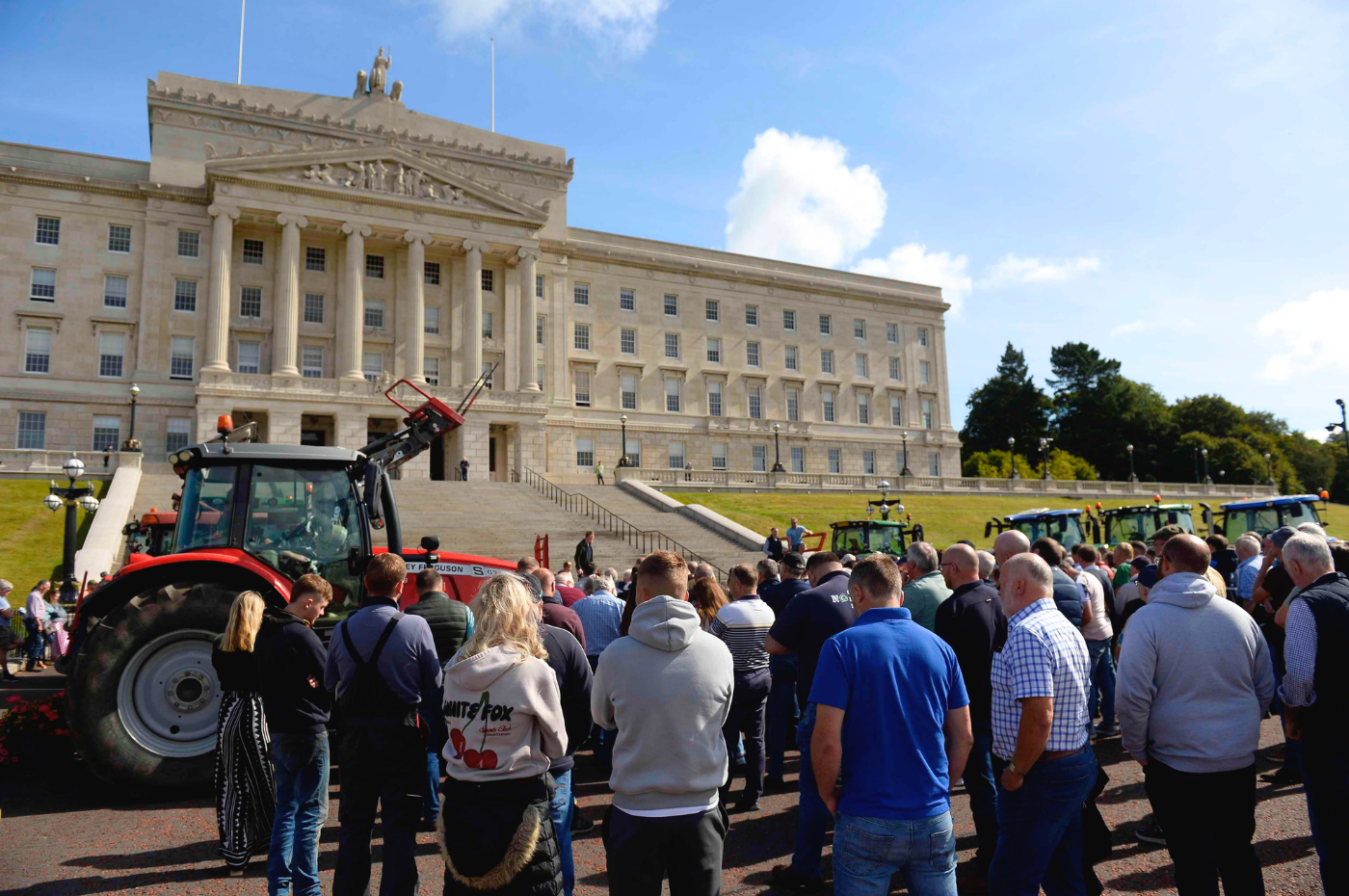
The motion came against the background of the controversial events at Fivemiletown, where 51 cattle were culled by DAERA following a court order. Whatever view one takes of the legal circumstances, the operation has generated serious concern among sections of the farming community. Questions have been raised about how it was handled, the relationship between DAERA and farmers and whether every possible option was properly considered. Those questions do not simply disappear because a motion of no confidence has been defeated.
That is why we find the decision of the Alliance Party to leave the Assembly chamber so difficult to understand. Alliance was entitled to oppose the motion and to argue that it was politically motivated. But if the party believed the motion was wrong, surely the Assembly was precisely where that argument should have been made.
Alliance MLAs could have remained in the chamber, defended their Minister, challenged the allegations and made their case. They could have demonstrated why they believed Andrew Muir retained their confidence and why the concerns being raised did not justify his resignation. That is what parliamentary scrutiny is supposed to be about. It is not supposed to be comfortable.
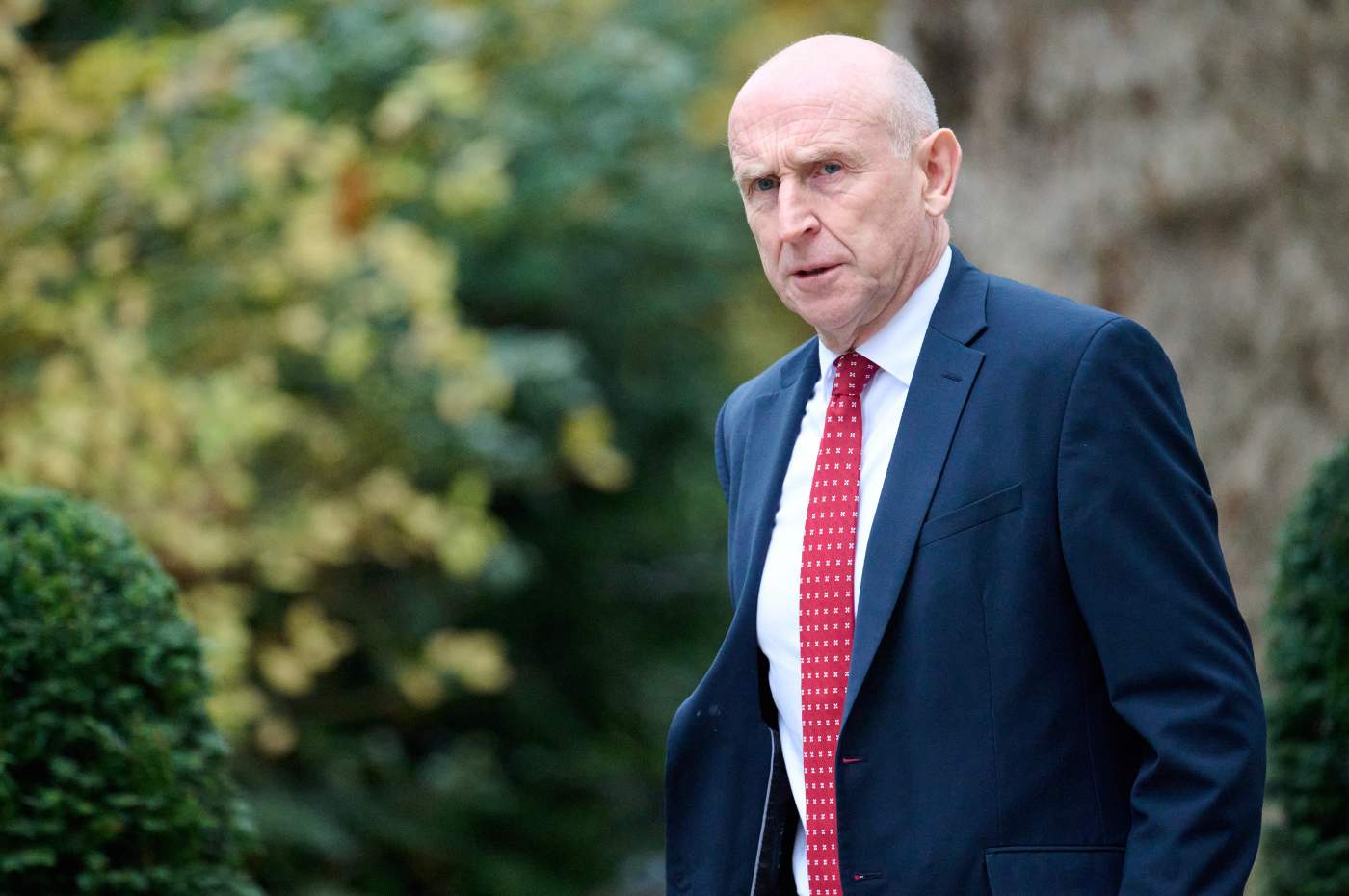
Indeed, Alliance's own words make the walkout all the more difficult to reconcile. In October 2025, Alliance DAERA spokesperson John Blair said that “Minister Muir has a duty to everyone in Northern Ireland” and argued that DAERA was committed to working with others to deliver a successful future for agriculture. He also said it would be better if the Ulster Farmers' Union worked with DAERA to identify solutions to the problems facing the sector.
We agree. A Minister responsible for agriculture, environment and rural affairs does have a duty to everyone in Northern Ireland. Working with farmers, fishermen and rural organisations is exactly what should happen. But those principles have to mean something when the political weather turns difficult.
Andrew Muir himself has previously spoken about the importance of listening to and engaging with farming and fishing communities. Alliance leader Naomi Long has also spoken about the need for openness and accountability, saying that politicians have “a duty” to hold themselves to the highest standards and deliver the best they can for the people they represent.
These are principles we support. But accountability cannot simply be something demanded of other politicians. Transparency cannot only matter when somebody else is under scrutiny. Engagement cannot only be expected from farmers and rural organisations when DAERA wants their cooperation.
Consider what happens when DAERA arrives at a farm for an inspection. The farmer cannot simply say that today is inconvenient or that he does not agree with the questions being asked. He cannot walk away from the inspector because he believes the process is unfair. He is expected to open the gates, provide records, answer questions and submit to scrutiny. He has to engage with the Department because the consequences of failing to do so can be serious for his livestock, his business and his livelihood. Farmers are expected to live with that level of accountability every day.
So when the tables are turned and serious questions are being asked of the Department and its Minister, it is reasonable for rural people to ask why the same willingness to engage does not appear to apply. If a farmer cannot walk away from DAERA when the Department comes to his gate, why should elected representatives walk away when DAERA's decisions and leadership are being questioned in the Assembly?
We are not saying every MLA should have supported the no-confidence motion. The Assembly debate demonstrated that there were legitimate differences of opinion, and we respect the democratic process. What we do expect is that elected representatives remain engaged with the issues affecting the people they represent.
That is particularly important for rural Northern Ireland. The countryside is not simply a backdrop for political photographs or a constituency remembered when votes are needed. It is where people live, work, raise families and run businesses. It is farmers getting up before dawn to feed livestock, fishermen going to sea, rural businesses battling rising costs and families trying to maintain communities and traditions that have existed for generations.
These people are not asking for special treatment. They are asking to be listened to.
The events at Fivemiletown have become a symbol of a much wider breakdown in confidence. The Ulster Farmers' Union has expressed its lack of confidence in DAERA and subsequently extended that position to Minister Andrew Muir, Permanent Secretary Katrina Godfrey and Chief Veterinary Officer Brian Dooher. Those concerns cannot simply be dismissed as political noise. They reflect serious concerns about the relationship between sections of the farming community and the Department responsible for regulating and supporting them.
The no-confidence motion was defeated, but defeating a motion does not automatically restore confidence. A parliamentary vote can settle the outcome of a debate; it cannot determine how farmers feel about their treatment by a government department. It cannot erase the concerns surrounding Fivemiletown, and it cannot rebuild trust overnight.
Trust has to be earned. It requires openness, accountability and a willingness to listen, particularly when the conversation is uncomfortable.
The independent review into Fivemiletown must be allowed to do its work, and its findings should be considered carefully. Facts, evidence and due process matter. But so does accountability.
This is ultimately why Tuesday's events concern us. Alliance has told us that Andrew Muir has a duty to everyone in Northern Ireland. Alliance has spoken about working with agriculture and other stakeholders. Andrew Muir has spoken about listening and engaging with farming and fishing communities. Alliance has called for greater accountability and transparency.
We welcome those commitments. But rural communities will judge politicians not simply by what they say when announcing policies, but by what they do when the difficult questions arrive.
On Tuesday, the difficult questions arrived, and Alliance walked out.
From our perspective, that was a missed opportunity — not simply to defend a Minister, but to listen to the people whose concerns were being raised. Politicians can walk out of a chamber, but they cannot walk away from the people they represent.
At Countryside Alliance Ireland, we will continue to speak for rural communities and ask difficult questions when difficult questions need to be asked. We are not interested in political theatre for its own sake. We are interested in the farmer wondering whether government understands the pressures he faces, the fisherman concerned about his livelihood and rural families wondering whether their communities have a future.
Those people deserve a voice. They deserve to be listened to. And they deserve politicians who will remain in the room when the conversation becomes difficult.
That is what responsibility means to us and that is why, when Alliance walked out of Stormont on Tuesday, rural Northern Ireland was entitled to ask one simple question: who was left in the room to listen to us?

 07 October, 2026