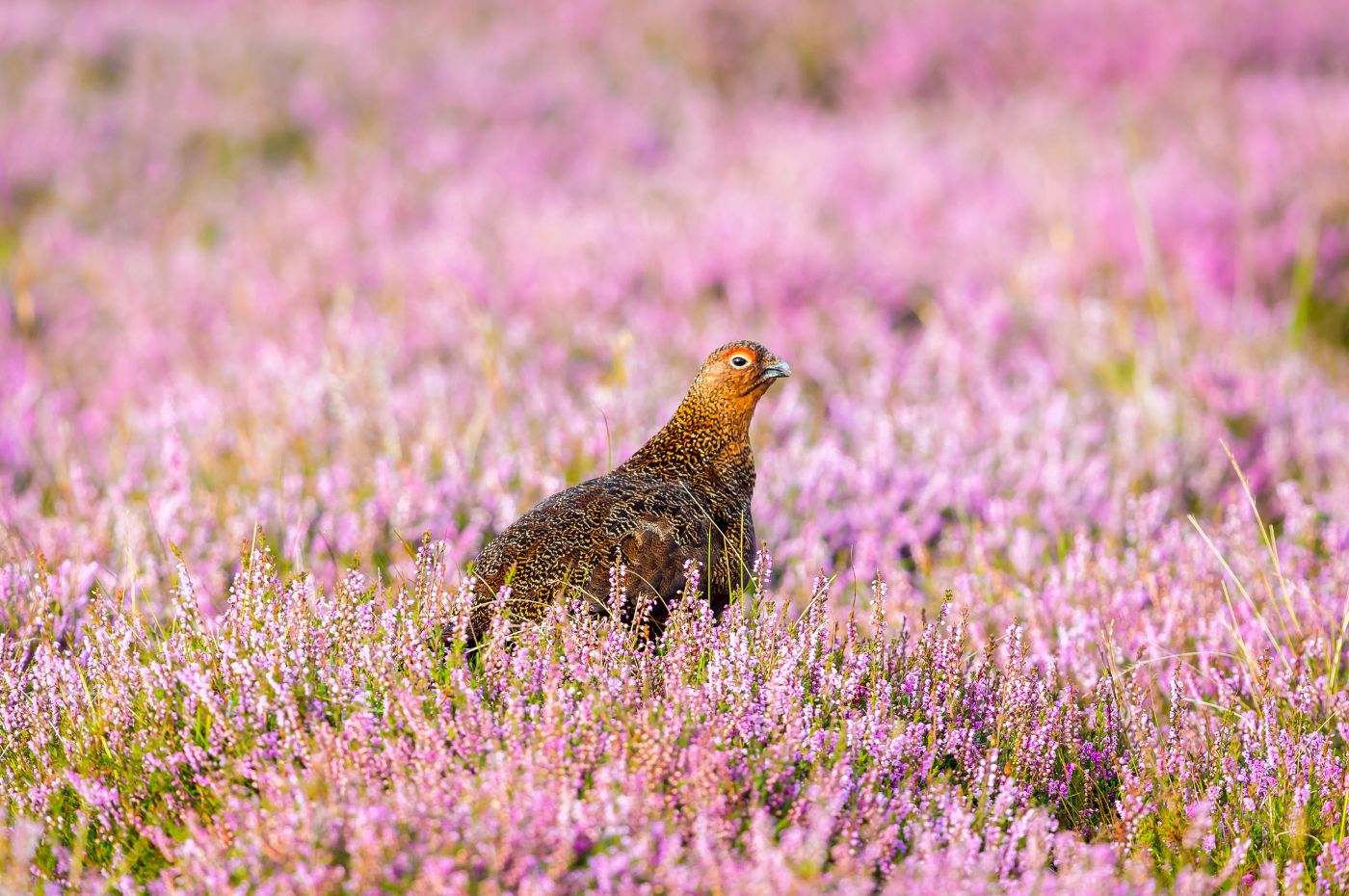
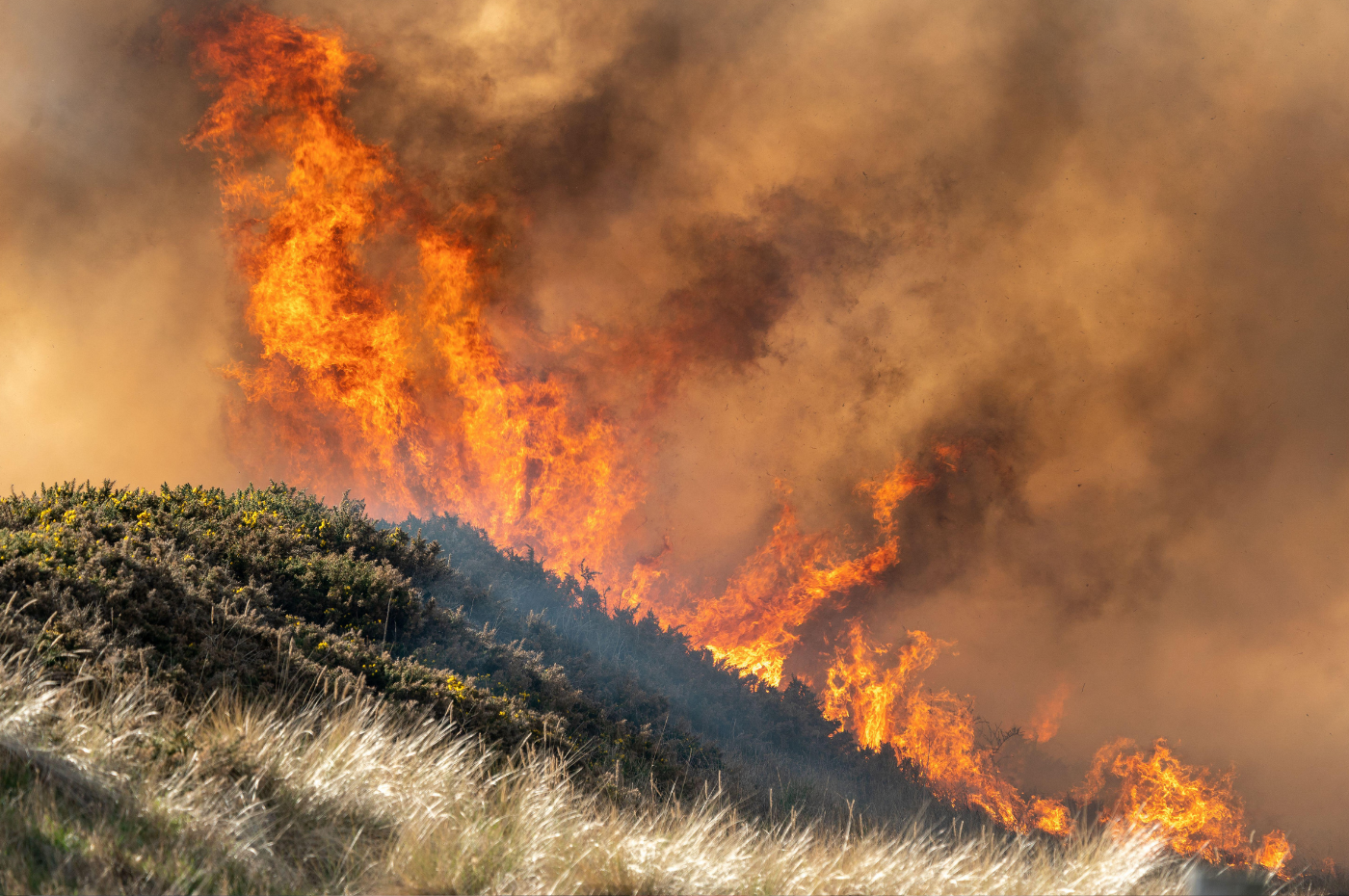
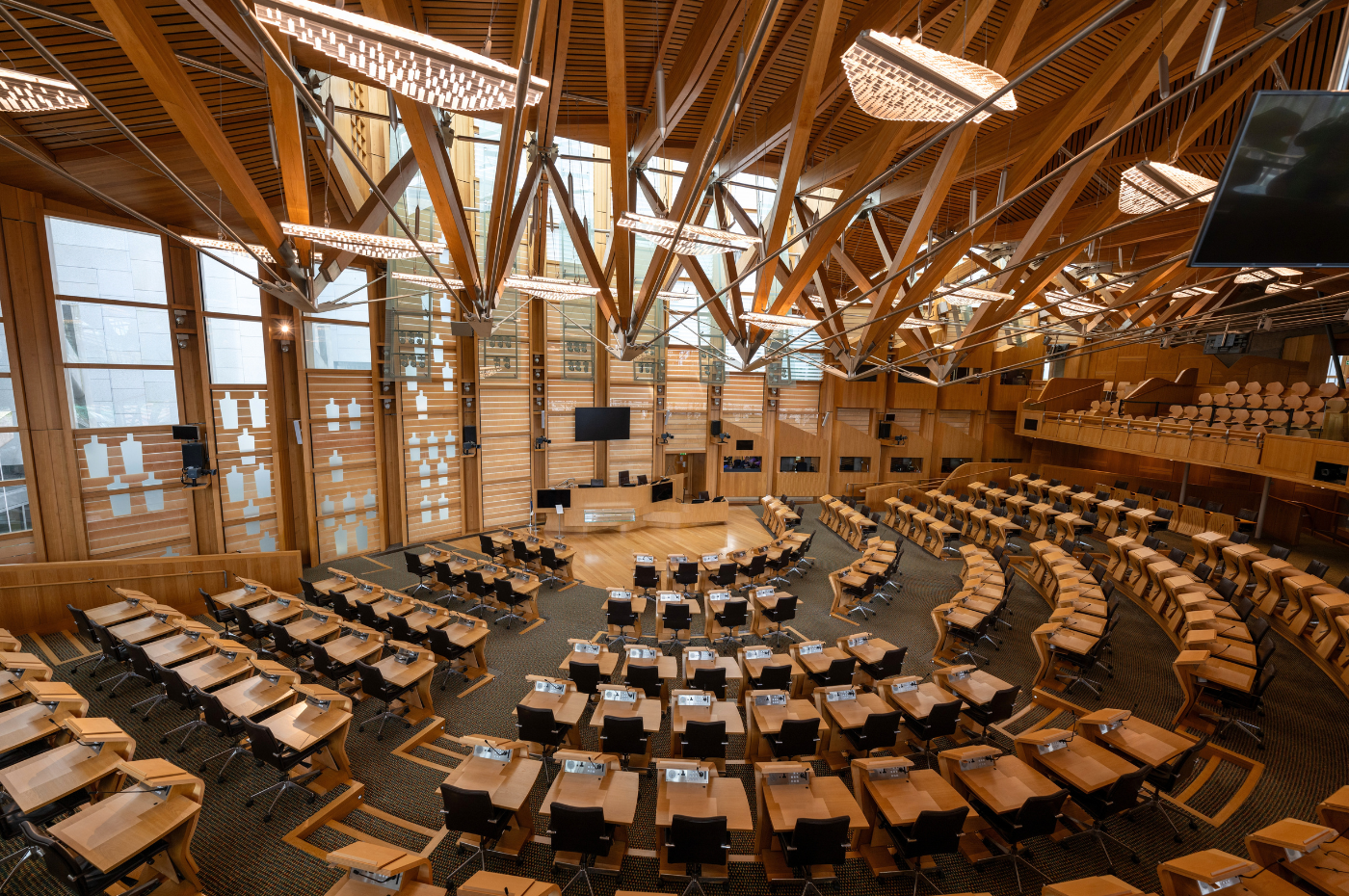
We have compiled a quick summary from Stage 2 (day four) of the Natural Environment (Scotland) Bill, concentrating on gamebird release licensing, venison, deer management, muirburn and wildfire management, and grouse licensing.
Gamebird release licensing
It was heartening to see that the amendments tabled by Lorna Slater MSP, Mercedes Villalba MSP and Beatrice Wishart MSP on licensing of gamebird releases was not agreed by the committee, despite Ms Slater's continued rhetoric that pheasants are tropical birds! While the committee did not agree to these amendments, we don’t think this will be the last we hear on the subject.
Venison
Tim Eagle MSP proposed a number of amendments which would repeal the Venison Dealers Licence (VDL) and delete Section 33 of the Natural Environment Bill. Minister for Agriculture and Connectivity Jim Fairlie disagreed with all these amendments, and they were subsequently not agreed by the committee.
Mr Fairlie stated that he wanted to see an increase in the availability of venison across Scotland and said that Food Standards Scotland had a traceability and monitoring programme that currently includes wild game and venison. The traceability of wild venison can be maintained through the existing food safety and hygiene legislation. The Minister stated that “the VDL is outdated and acts as a barrier to increasing venison supply and supporting local communities”. However, repealing the VDL does not need to commence straight away, and NatureScot will work with the Scottish Government when the correct time comes to do so.
Rhoda Grant MSP and Rachael Hamilton MSP proposed amendments calling for the development of a Venison Action Plan that would set out practical measures to ensure wild venison is better utilised. Their proposals sought to prioritise the use of venison in schools and other public-sector buildings and to support its distribution to local communities, reducing waste and maximising the value of a sustainable food resource.
In response, the Minister acknowledged the intention behind the amendments and confirmed that a National Deer Action Plan will be brought forward. The Minister highlighted that this forthcoming plan would provide a strategic framework for improving deer management and venison utilisation and noted that valuable lessons could be drawn from existing initiatives. In particular, reference was made to the Wild Jura pilot project, where wild venison is already being successfully served in local schools on Islay and Jura, demonstrating how local supply chains can support public procurement and community benefit. The Minister invited both members to join him and Mark Ruskell MSP in working together to achieve this plan ahead of Stage 3 of the Bill.
Deer management reviews
Amendment 74 from the Minister introduced a review mechanism in relation to the operation and effectiveness of the modifications in relation to the Deer (Scotland) Act (1996) by part 4 of the Bill and places a statutory duty on Scottish Ministers to prepare and publish this report within 10 years of the relevant provisions coming into force.
In his amendment, Tim Eagle asked for a review after five years on sections 13, 14, 15 and 16. The Minister urged committee members not to support this amendment as the proposed review outlined by Mr Fairlie would go further than solely referencing sections 13 to 16. Mr Eagle did not move the amendment and was happy to work with the Minister on the proposed review. The committee passed amendment 74.
Muirburn and wildfire management
The amendment lodged by Emma Roddick MSP proposed giving local authorities the power to issue fixed penalty notices for breaches of any by-laws they introduce to help prevent wildfires, mirroring the approach already implemented by the Cairngorm National Park Authority. The Minister was supportive of this amendment but felt that this Bill was not the place to include it. He will work with the member ahead of Stage 3 of the Bill, following the withdrawal of the amendment.
A number of amendments tabled by Tim Eagle attempted to repeal the muirburn licensing scheme in part – to allow prescribed burning on peatlands – or completely – to allow muirburn to take place without restrictions. Mr Eagle also wanted the Scottish Government to commit to setting up a dedicated Wildfire Response Unit. Unsurprisingly, the Minister did not support these amendments, stating:
“A licensing scheme is absolutely essential. It is going to be coming in and the practitioners know that.”
In response to the proposal for a dedicated wildfire response team, the Minister stated that the amendment could not be supported. It was noted that the Scottish Government, alongside relevant stakeholders, is already progressing work on a strategic wildfire action plan, and that the amendment would place an unnecessarily prescriptive duty on the Scottish Fire and Rescue Service (SFRS).
Beatrice Wishart proposed changes to the Muirburn licensing scheme to allow prescribed burning to reduce fuel load and proposed that there should be a test of appropriateness on when to make muirburn, rather than a test of necessity. Training for practitioners, including the SFRS, should also be a licensable purpose. However, the Minister highlighted that the amendment was not tied to an approved training course. As a result, head keepers would be able to train staff in muirburn practices themselves, with that training then being recorded as sufficient for licensing purposes.
Mr Fairlie offered to work with the member on her amendment between stages 2 and 3 but did point out that “Muirburn is not a silver bullet”; it has a role to play but there needs to be a balance between protecting Scotland’s peatlands and mitigating against wildfire.
Rachael Hamilton’s amendment called for a review on the impact of wildfire on biodiversity, a further review on the provision of fire services in rural areas and required the Scottish Government to publish data on the volume of greenhouse gases released as a result of wildfire. The Minister did not support this amendment, explaining that these areas are already being addressed and it risks duplicating work already underway, but he will be happy to work with the member on drafting a future amendment.
Licensing: killing or taking of certain birds
Rachel Hamilton tabled an opposing amendment in response to the Minister's amendment, which seeks to alter 16AA licences to allow a larger area of landholding to be part of the grouse licence. Mr Fairlie concluded his amendment was necessary, saying:
“While the majority of estates have adhered to both the spirit and the letter of the law, it is clear that a small number have not. This is why the need to act has arisen.”
When pushed by Ms Hamilton for more evidence to back up his claim of a so-called loophole, Mr Fairlie would only refer to the 94 applicants who needed to change the maps on their licences, following the review from NatureScot. Whilst changes were made to estate boundaries on the maps, no 16AA licences were revoked following this review.
The Minister stood by his amendment, saying it was necessary to help tackle raptor persecution and build trust by robustly regulating grouse moor management.
The Minister’s amendment was agreed by the committee, but it remains to be seen whether further amendments will be tabled at Stage 3 on this topic. The Scottish Countryside Alliance continues to work with the Scottish Government and MSPs to shape this bill so that it works for those who it affects the most.
This now concludes Stage 2 of the Natural Environment Bill, and you can access the Bill as amended at Stage 2 here.

 17 December, 2025