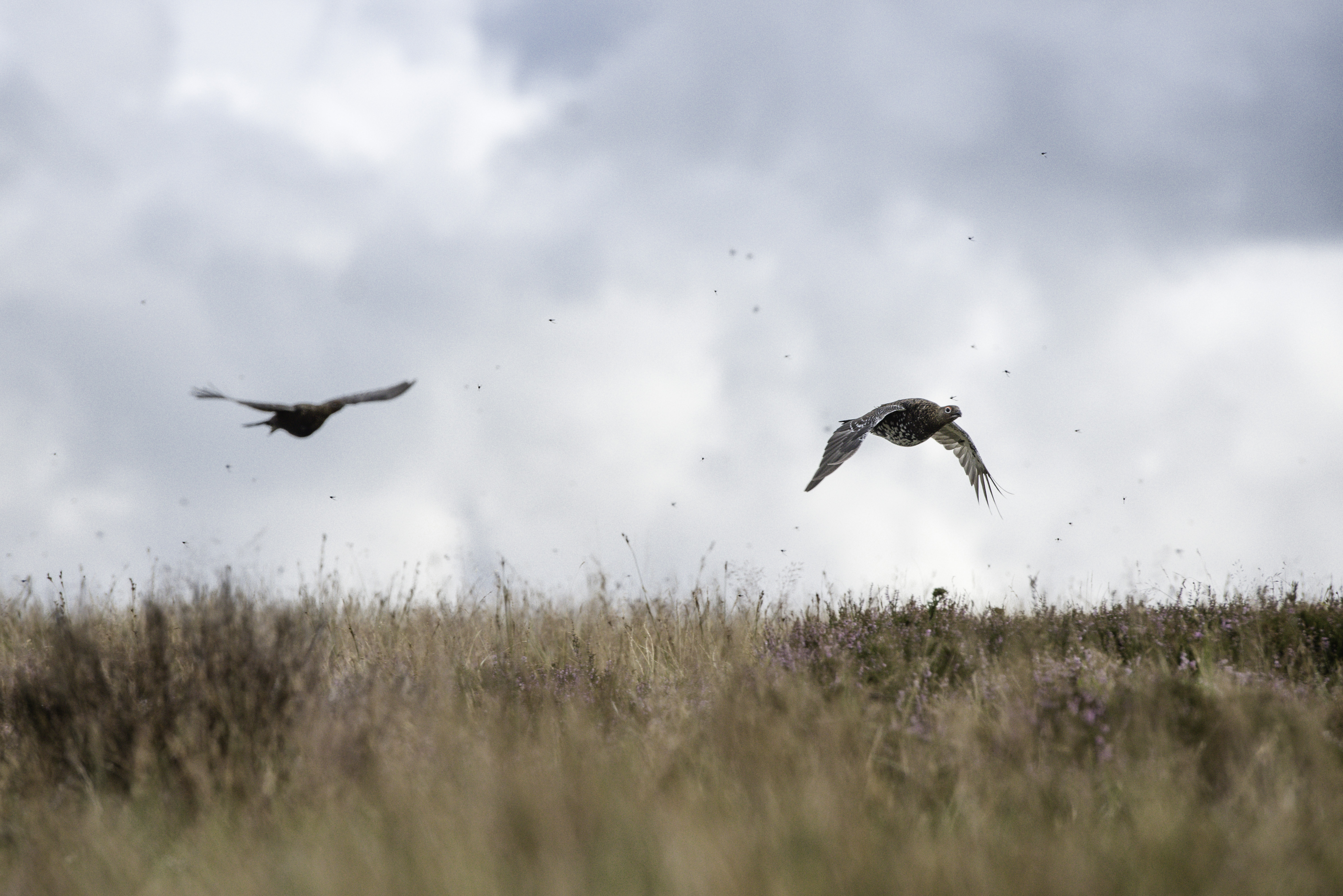
As can often be the case, the coming grouse season sadly looks as if it will be a mixed one. For many moors in the North of England it was always going to be a matter of ‘rebuilding’ stocks after last year’s appalling breeding season which saw most, if not all, their days being cancelled. Although most enjoyed what were almost perfect conditions this spring and early summer, the lower number of breeding hen grouse following last year’s decline invariably resulted in fewer broods. But what has further exacerbated what was already going to be a lean season for some moors has been the widespread outbreaks of heather beetle which have decimated large swathes of moorland. It is often the appearance of the heather itself that provides the first sign that these tiny creatures are present, but by then it is too late to do anything about them. Heather plants that have been targeted by beetles and their larvae can have have their leaves completely eaten away, leaving just bare red or grey stalks. The resultant loss of food and shelter for grouse and other ground nesting birds that share this moorland habitat can have a significant impact on their populations, especially when they are already at a low as is the case this year.
Grouse live on heather moorland throughout the year and nest on the ground, which makes them highly susceptible to many factors that are controllable and those such as the weather that are not. It is therefore essential that moorland managers control those they can, such as the management of habitat to ensure a mixture of older heather for protection and nesting with younger heather for feeding, and predator control - to list just two.
A new study by the Game & Wildlife Conservation Trust published in March 2025, which revisited a research project undertaken in Northumberland between 2001 and 2008, shows the ecological importance of predator control. During the original experiment, foxes and crows were controlled and ground-nesting birds experienced a dramatic improvement in breeding success, with populations of moorland species such as red grouse, golden plover, snipe, lapwing and curlew seeing significant increases. However, within just a decade of stopping predator management those species’ numbers dropped by 71%, 81%, 76%, 58% and 24% respectively, with black grouse and grey partridge becoming locally extinct. Meanwhile, fox numbers rose by 78%, and carrion crows by 127%. Importantly, the habitat was largely unchanged, indicating that stopping predator control had been the key driver in the decline of bird populations.
It is the income from shooting that helps offset the not insignificant private costs of managing moorland for grouse shooting. Even on those moors where shooting will have to be curtailed or cancelled this season due to there being insufficient numbers of grouse, that management will continue, protecting those directly employed. This is thanks to moor owners who are motivated by their love of grouse shooting and their dedication to maintaining and enhancing our upland landscapes; landscapes of international importance that support some of our rarest wildlife.
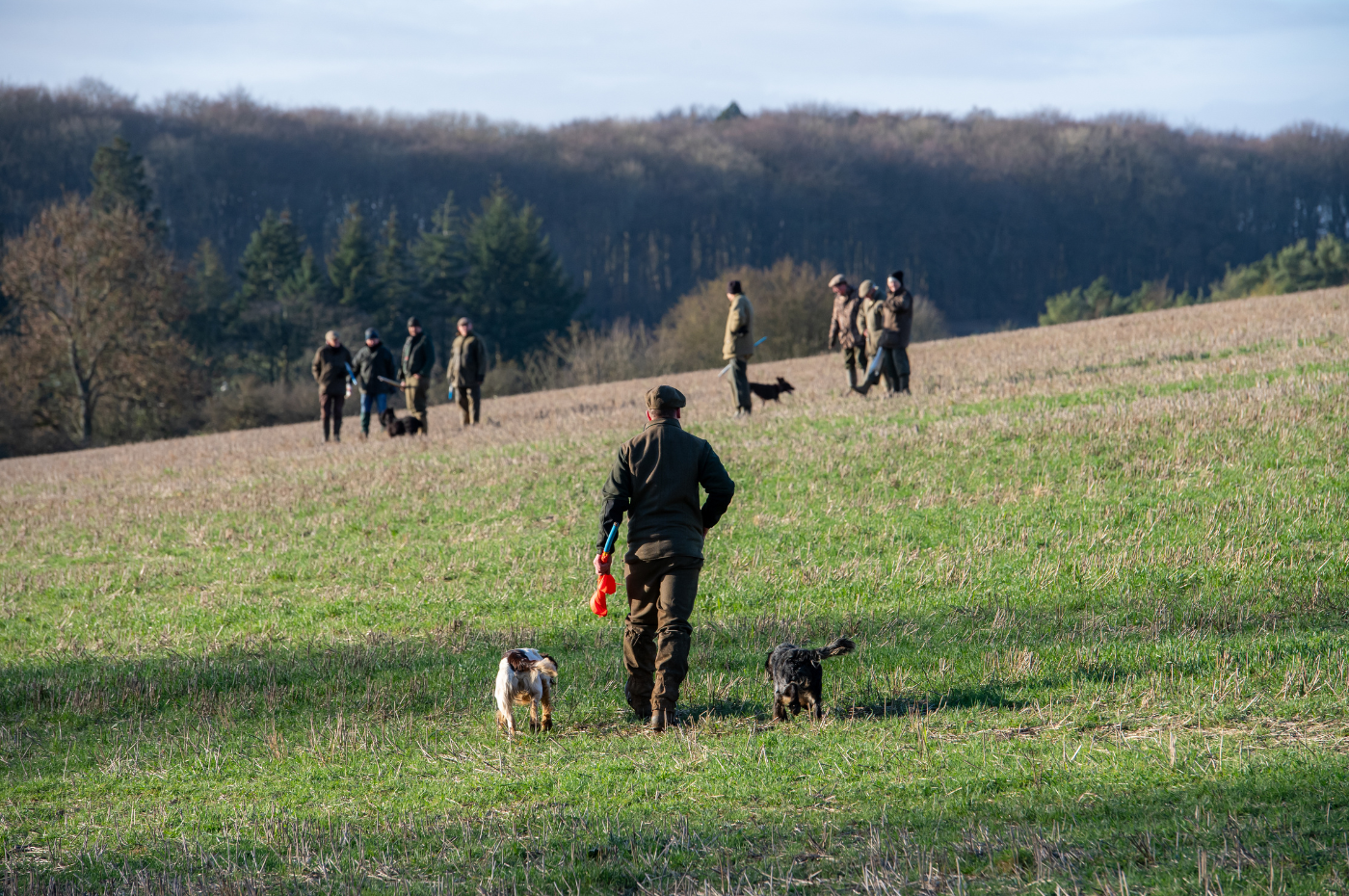
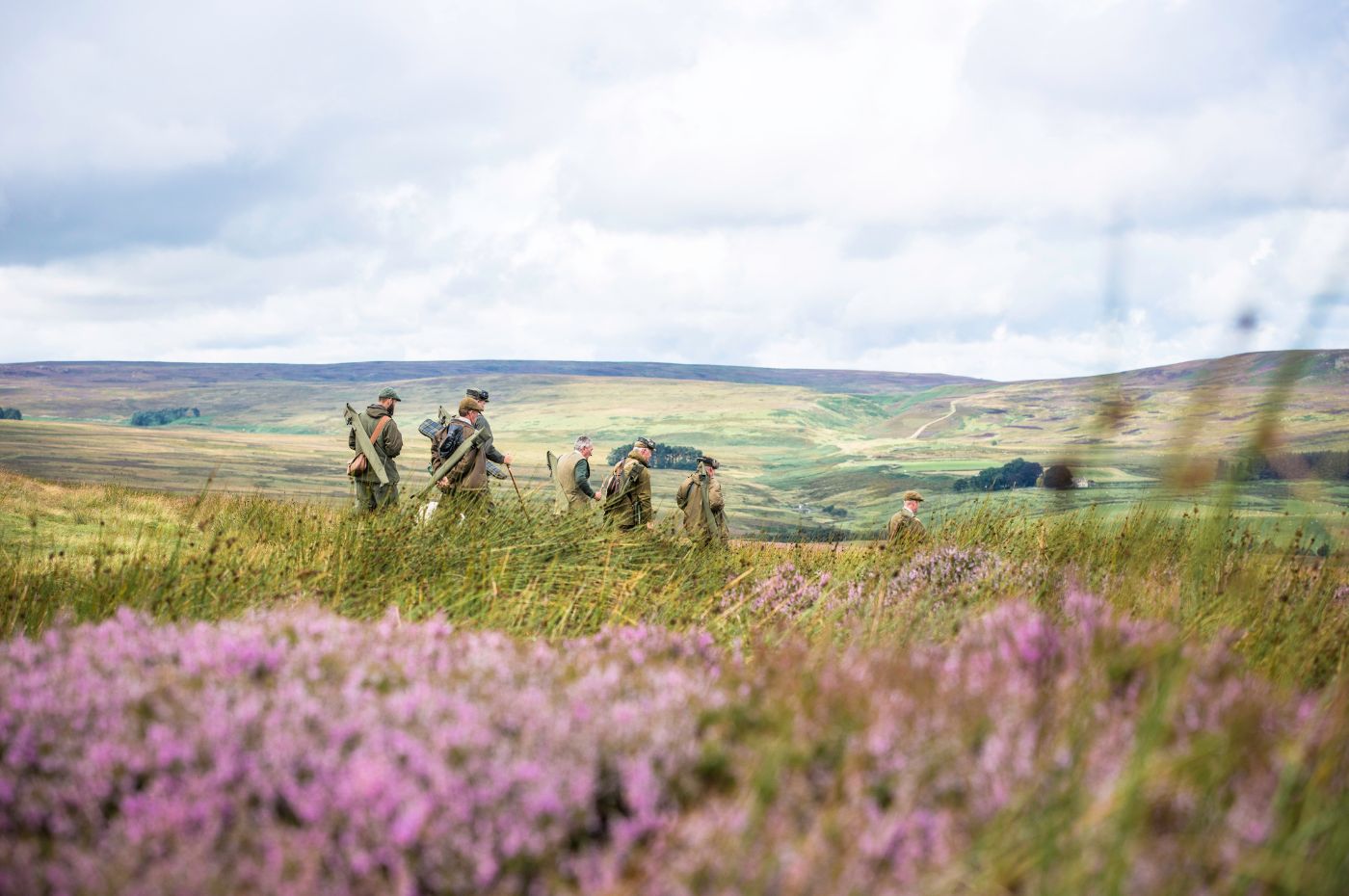
For those moors with fewer days shooting this season, there will be a significant impact on more than just the owners and managers affected. Grouse shooting is about everyone who is out each day, whether it is the guns, loaders, beaters, pickers up with their dogs, and many others that have a vital role to play. It brings people from all walks of life together, making it an important and enjoyable occasion for whole communities in our uplands. That is something many will be deprived of this season. Fewer days will also invariably mean a loss of income to all these casual employees, and it will have a very real impact on local businesses which rely on the trade it generates. The Glorious Twelfth is meant to celebrate the culmination of all the hard work that has gone on throughout the year to make our grouse moors the unique places they are, but this year it will sadly not be quite so glorious for everyone.
The Countryside Alliance has published a comprehensive brief on grouse shooting and its associated land management practices, which you can read here.

 01 August, 2025