Across rural Scotland, volunteer emergency services form an essential part of the safety net that protects communities, visitors and those who work in some of the country's most challenging environments. From our remote islands and rugged coastlines to the mountain ranges that Scotland is well known for, as well as the sparsely populated glens, volunteers frequently provide the first response when lives are at risk. Their contribution is often taken for granted, yet without their dedication many communities would face significantly longer emergency response times and reduced resilience during crises.
Scotland's geography presents unique challenges for emergency services. Large distances, difficult terrain, unpredictable weather and dispersed populations can make it impossible for professional emergency responders to reach incidents quickly. In these circumstances, volunteer organisations such as HM Coastguard Rescue Teams, Mountain Rescue Teams, Community First Responders, Lifeboat Crews and other search and rescue groups play a crucial role.
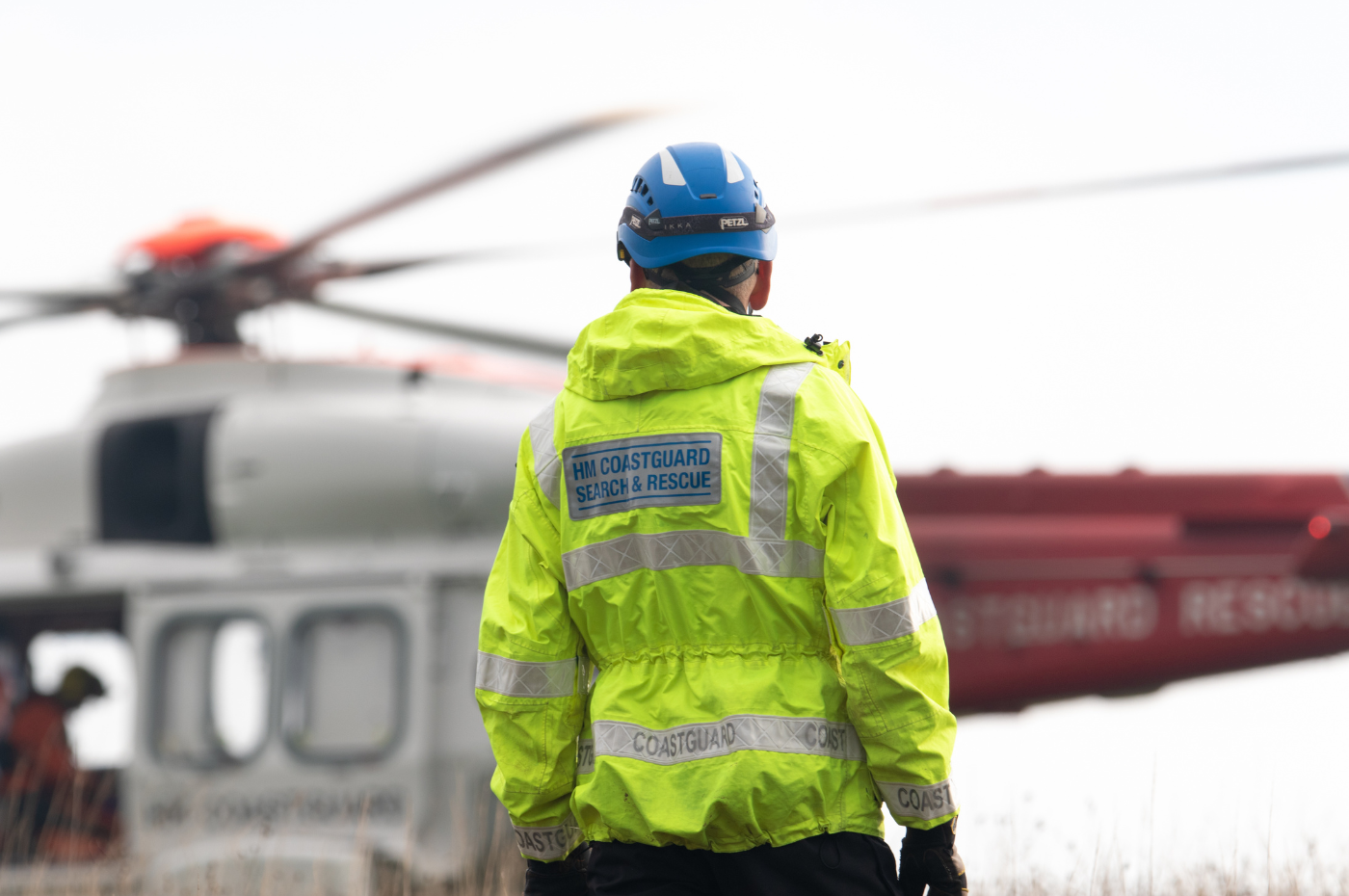
Volunteer coastguards are a particularly important example. I have spent some time as a Special Constable as well as a volunteer Coastguard Rescue Officer along some of our extensive South-West coastline, responding to incidents involving missing persons, cliff rescues, stranded walkers, maritime emergencies and searches for vulnerable individuals. We were often called out during unsociable hours, leaving family gatherings, workplaces and personal commitments to assist those in danger. Such volunteers can be called upon at any time to undertake demanding search and rescue activities, supported by extensive training in areas including first aid, water rescue, cliff rescue and search techniques.
The importance of these volunteers has been highlighted by a recent debate surrounding the status and compensation of Coastguard Rescue Officers. A parliamentary petition launched this year calls on the Government to introduce legislation that would allow emergency service volunteers to be remunerated while preserving their volunteer status. The petition argues that the demands placed upon emergency volunteers have evolved significantly over the past century and that the level of commitment, investment, training and responsibility now expected warrants greater recognition. In fact, some volunteer organisations require a minimum attendance in hours in order to remain operational.
Supporters of the petition point out that modern emergency volunteers are not casual helpers. They undergo rigorous training, maintain operational competence, meet safeguarding requirements and respond to incidents that can be physically and emotionally challenging. In rural Scotland, where alternative resources may be limited, these volunteers frequently serve as a critical component of the emergency response infrastructure.
Recent court decisions have examined whether volunteers who are entitled to claim remuneration for certain activities should be considered workers under employment law. The Court of Appeal ruled that Coastguard Rescue Officers undertaking activities for which remuneration can be claimed qualify as workers for those activities, despite being described as volunteers. The judgment has implications not only for coastguards but also for wider discussions about how emergency volunteers should be treated and recognised.
For many rural communities, however, the issue goes beyond legal definitions. The reality is that volunteers often incur personal costs in order to serve. Whilst this is their choice, they may lose earnings when responding during working hours, use personal vehicles to attend incidents, and sacrifice considerable amounts of their free time for training and operational readiness. While many volunteers do not seek full salaries, there is a growing argument that some form of compensation could help ensure that volunteering remains accessible to people from all economic backgrounds.
This is particularly important in rural Scotland, where demographic challenges already affect recruitment and retention. Many communities face ageing populations and rural depopulation is on the increase. Volunteer emergency organisations therefore compete for a shrinking pool of available recruits. If volunteering becomes financially difficult, there is a risk that only those who can afford the financial and time commitment will be able to participate.
At the same time, any discussion of payment must recognise the unique culture that underpins volunteer emergency services. These organisations are built on community spirit, public service and a willingness to help others without expectation of reward. Many volunteers value the independence and local character of their organisations and would be concerned about changes that might undermine that ethos.
The challenge for policymakers is therefore to find a balance. The goal should not be to replace volunteering with a fully professionalised system, which would likely be prohibitively expensive in many remote areas. Instead, it is to ensure that volunteers are properly supported, adequately equipped and fairly recognised for the contribution they make.
Rural Scotland depends upon people who are prepared to answer a call in the middle of the night, risk their own life, search dangerous coastlines in severe weather, or spend hours looking for a missing person on a mountainside. These individuals provide a public service that saves lives and strengthens communities. The current petition concerning Coastguard Rescue Officers raises important questions about how society values that service and whether existing arrangements remain fit for purpose.
Whatever solution emerges, one fact remains clear: volunteer emergency services are not simply an optional extra in rural Scotland. They are a fundamental part of the nation's emergency response capability, and their continued success deserves both public appreciation and serious political attention.
This article was previously published in Scottish Country Life magazine.

 13 July, 2026