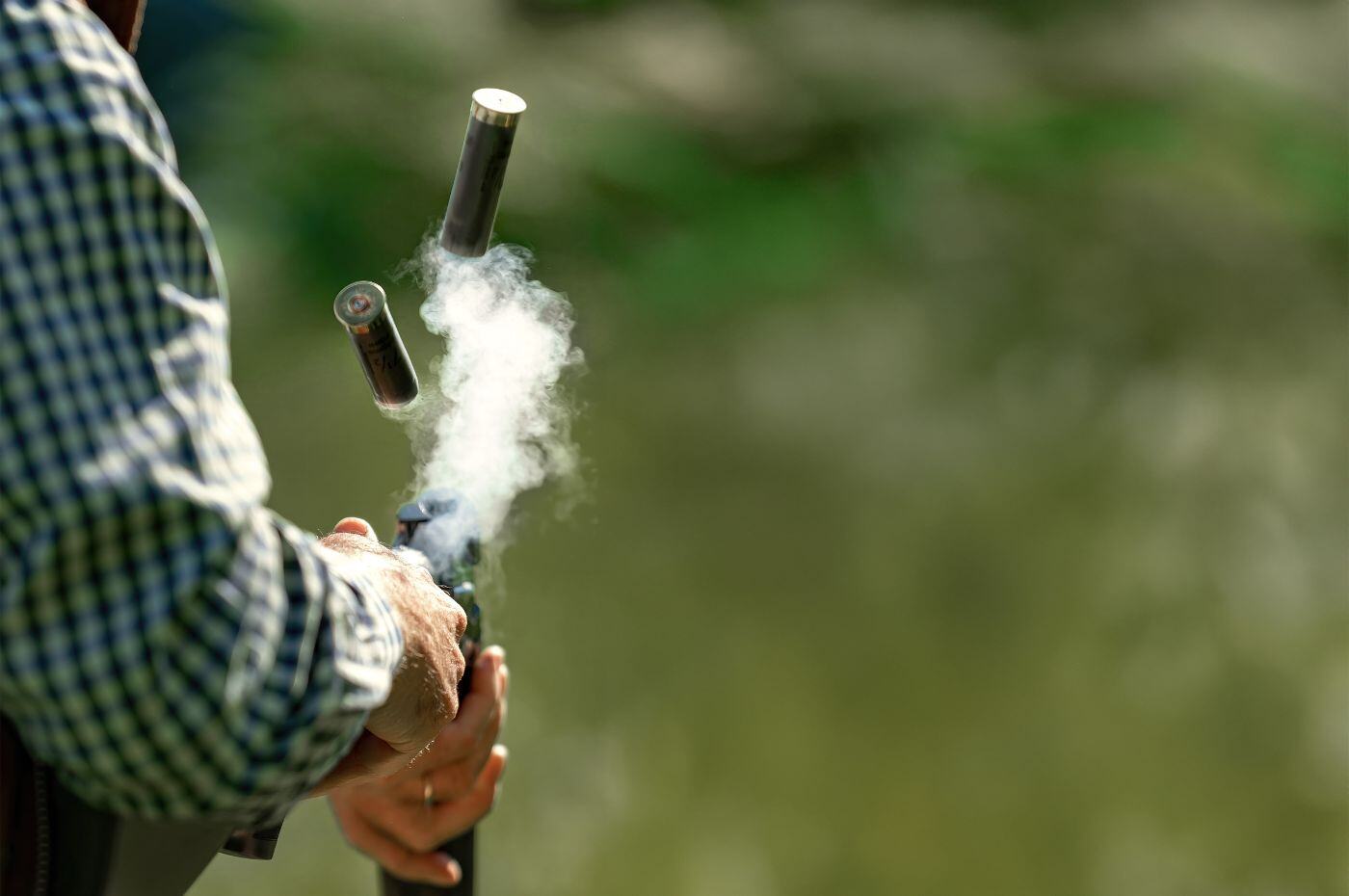
The government has announced today that nearly all lead ammunition will be banned from 2029. This brings to an end a period of uncertainty as to the timing and extent of further restrictions. No one should be surprised that lead is going to be prohibited given the long process which has led to this announcement and, whilst change always brings challenges, the work done by shooting organisations and ammunition manufacturers means that there are viable alternatives to lead for nearly all guns for nearly all purposes.
The 2029 date is, however, at least a year ahead of that recommended by the Health and Safety Executive which had proposed a five-year transition period. This will create challenges for ammunition manufacturers, especially given the impact of the Ukrainian war on the sector. It looks likely that the EU will enact a final ban in 2030, although lead ammunition for hunting may be restricted two years earlier.
However, it has been clear for some time that lead ammunition is definitely not the hill shooting should die on. That was our conclusion when a coalition of shooting organisations called for a five-year transition away from lead in 2020. Our concern then was that neither shooters, or the shooting industry, were taking on board the inevitability of a ban. There may have been howls of pain from some quarters as we addressed the reality of the regulatory process, but five years later we are in a far, far better place to deal with a post-lead shooting world than we were then.
Most importantly there are now a broad range of proven non-lead cartridges on the market, which do not deposit plastic wads into the countryside. I have not shot game with lead for more than five years and have used steel cartridges in everything from a modern 20 bore to a 100-year-old 2 ½ inch English 12 bore. Like all wildfowlers I have also been using steel on the foreshore for 25 years. In simple terms, it works on ducks, geese, pheasants, partridges and whatever other quarry you care to point your gun at.
With this final confirmation of the timing of a ban, the time for arguing about the effectiveness of lead is gone. We will not be shooting with it in the future so now is the moment to embrace alternatives which have the added benefit of making the promotion of game shooting far easier. The sooner we move, the sooner we can rebut the charge of depositing thousands of tonnes of toxic material in the countryside and, even more importantly, promote game in places where it is currently impossible.
This is more critical than ever because the real threat to shooting is not whether we can use lead ammunition, but whether we can shoot at all. Whether it is restrictions on shotgun ownership or the threat of a new Wildlife and Countryside Act, the anti-shooting agenda is being pushed forward under the current government. It is time to move on and tackle the real threats to shooting and the countryside.

 10 July, 2025