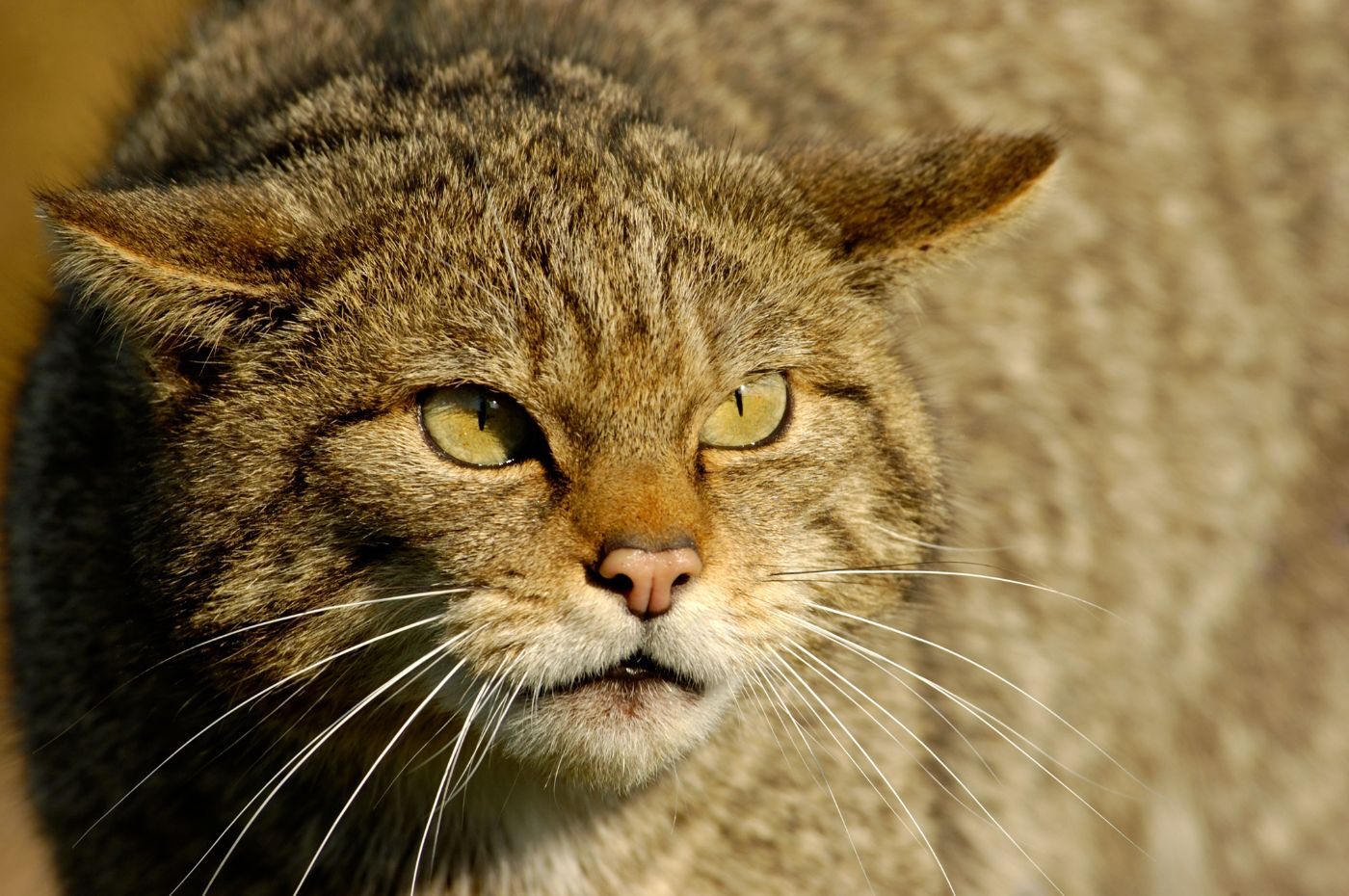
If you have ever seen a wildcat in the British countryside you are very lucky. There are not many more than 100 living in remote areas of the Scottish Highlands, but now there are plans to reintroduce the species in the South West of England. I was once shown a wildcat den by a stalker high in the mountains of Sutherland, but that is the closest I have ever been to this elusive species.
The proposed reintroduction in the South West faces a major hurdle which might not be obvious. Wildcats are no threat to livestock or game species, but they are subject to hybridisation with feral and domestic cats, and it is this which has brought the species to the edge of extinction in Scotland. There are up to a million feral cats in the UK and they are particularly widespread in rural areas of the South West. The human population is obviously also much greater than it is in the Highlands and with people come domestic cats, many of which are allowed to run wild. This creates a huge challenge for those delivering wildcat reintroductions which will undoubtedly fail if genetically pure wildcats are simply planted into populations of fertile feral and domestic cats.
The result is a classic conservation conundrum. Feral cats are an invasive alien species (although bizarrely they are not recognised as such in law) and do untold damage to bird and small mammal populations. Culling feral cats and restricting the behaviour of domestic cats is the logical response to reduce the damage they do and pave the way for wildcat reintroductions. There is not, however, a conservation organisation in this country which is going to propose that solution, because they fear the inevitable kickback from the animal rights movement and unpopularity with the public.
The same is not true in New Zealand where this week Ministers announced that they would add feral cats to the list of non-native species they seek to eradicate by 2050. Tellingly it was lobbying by conservationists which forced the government’s hand despite the fact that almost half of New Zealand households are cat-owners.
We are unlikely to see a similar outbreak of pragmatism here. Those proposing the wildcat reintroduction talk about working with welfare organisations to support a neutering programme for feral and domestic cats in areas where wildcats are to be introduced, but it is difficult to see how such a programme could come anywhere near to guaranteeing 100% coverage. Nor would it do anything to alleviate the damage that feral cats do to wider biodiversity.
Sadly, those behind the wildcat reintroduction probably know themselves that hybridisation with feral and domestic cats doom their project to failure, but they cannot bring themselves to argue for the actions that could make it successful.

 20 November, 2025