The first version of the Countryside Code was published in 1951 to address the conflicts between increasing access to the countryside, farming and conservation. It was formalised under a series of different laws. For all the history and legislation, however, there is ample evidence that, at a time where it is needed more than ever, the code is largely unknown and mostly ineffective.
Countryside access is an increasingly odd issue. A relatively small number of rural destinations have become visitor hotspots fuelled by mainstream and social media. Those who care for those areas face increasing challenges dealing with biodiversity decline, erosion, litter, wildfires, livestock worrying, fly camping and many other impacts of thousands of visitors. The rest of the countryside is largely empty, despite tens of thousands of miles of footpaths and other rights of way, and obesity and mental health crises which a walking culture would go a long way to resolving.
Meanwhile, despite most of the rights of way network seeing minimal use, there is a concocted political campaign for a ‘Right to Roam’ in England and Wales which would only increase the challenges for farmers and land managers in destination hotspots, whilst doing absolutely nothing to encourage those for whom the countryside is still an alien environment.
There is a better way, but it would involve honesty and compromise both from access campaigners and landowners. A truth that has to be accepted is that many people who currently use the rights of way network - and most who could be encouraged to do so - do not want to wrestle with Ordnance Survey maps (or apps), ploughed fields, livestock (especially cattle), overgrown stiles, rotting foot bridges, or the many other challenges that face those of us who wander for many a mile around the footpath network.
That means if we are to increase the number of people who come to the countryside, then the answer is a walk of a mile or two from a car park along marked stone paths, preferably with a café on hand. Such places are hugely popular and from the National Trusts’ Longshaw Estate in the Peak District, to Holkham Hall in Norfolk, to Rushmore Country Park near Leighton Buzzard, I have seen exactly this model being deployed with great success across the countryside this summer.
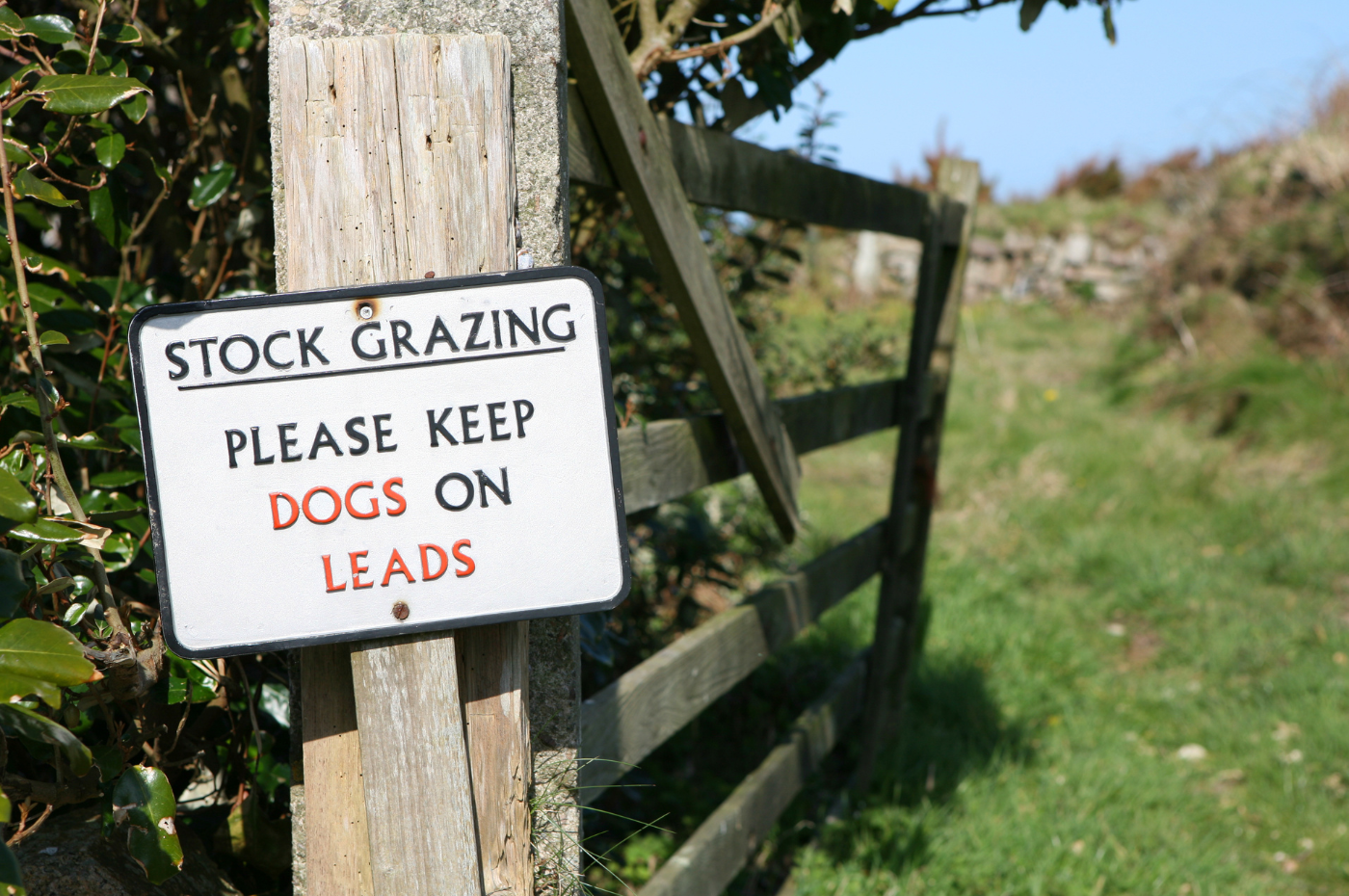
Alongside this there is an obvious need to promote a Countryside Code which is relevant for the 2020s, both in terms of content and in how it is communicated. Social media is becoming the driver both of where people go in the countryside and how they behave when they are there, yet the Countryside Code is largely invisible in that medium.
It is possible to promote the message of the code as a video of a young farmer from Eryri National Park with a dreadful mullet and an accent so thick you could stand a spoon in it, has shown. That clip has had hundreds of thousands of views on Instagram as he compares closing gates to “putting the pan down after having a wee”. Basic but definitely effective.
Natural England and Natural Resources Wales are currently consulting on how they should promote the code. The answer is obvious, however, it will require investment and imagination, both of which tend to be in short supply in government agencies.

 25 September, 2025




.png)