When recently the “Peak District Viking” went viral on social media for his videos, in which he goes around kicking down stone stacks that hikers have constructed, it brought to the media’s attention the important issue of how people treat the countryside.
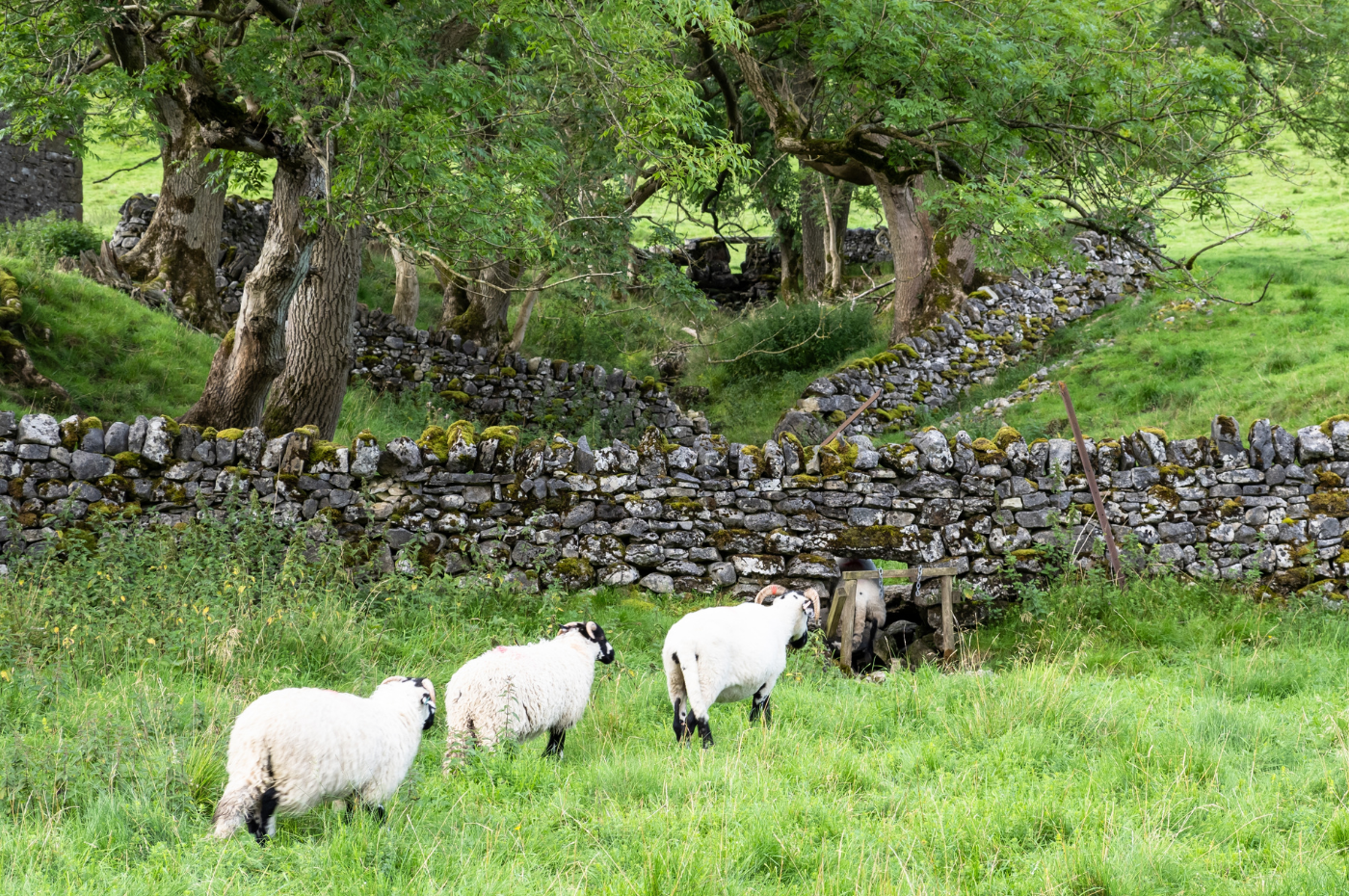
Drystone walls are one of the most iconic features of our countryside. Championed all across media, from the packaging of Yorkshire tea to Clarkson’s Farm and its showcasing of Gerald’s handiwork, they are an instantly recognisable rural feature. But they are not just pretty and picturesque – they serve a practical function.
The vast majority of you reading this will doubtless sympathise with the “Viking”, Stuart Cox's frustration.
The countryside is a living, working place. Ex-Prime Minister Rishi Sunak gave a poignant reminder of this to the anti-shooting brigade in last week’s debate, saying of farmers and gamekeepers: “without their hands repairing our drystone walls or their dairy cows keeping the fields lush, the rural beauty of our countryside would soon fade”.
It may be obvious, but it needs to be stated that the walls’ purpose is to pen in livestock – something vital to the act of livestock farming.
Built from stones taken out of drystone walling by hikers, the popular trend actively damages the livelihood of farmers whose walls are vandalised by thoughtless walkers.
Even a few stones being removed from the walls damages their integrity. Anyone who has spent much time in the countryside will be familiar with the site of a collapsed drystone wall, and anyone who has watched Clarkson’s Farm will be familiar with the toil and skill required in rebuilding them.
It’s not just the farmers it harms, either. As the “Viking” points out, many small animals like mice, frogs and toads make their homes in the cracks and crevices of these walls. Tiktok kudos-seekers taking them apart to build their stacks are then a threat to wildlife too.
The fact that many of Mr Cox’s viewers agree with his actions gives hope. But the issue does raise the wider problem of rural tourism and social media.
The boom of social media has seen more and more people travel to the countryside to enjoy all the wonderful things it has to offer. Future Countryside’s recent poll of Gen Z’s views of the countryside found that the majority of young people (54%) say that social media has influenced their decision to visit the countryside.
We should be clear, an increase in rural tourism is a good thing. It represents a significant income boost to rural businesses, many of which are struggling. Just this week, it was announced that the government’s tax policies will see Britain lose a pub every single day. This will be a catastrophic loss to the countryside and its social fabric.
However, increasing tourism presents its own challenges. People from Castleton and Bibury, to name just a couple of villages affected, have spoken out about how tourists have been “swarming” their homes, flying drones into residents’ gardens and leaving bags of human excrement, while the coaches that bring the tourists in routinely block the narrow village streets.
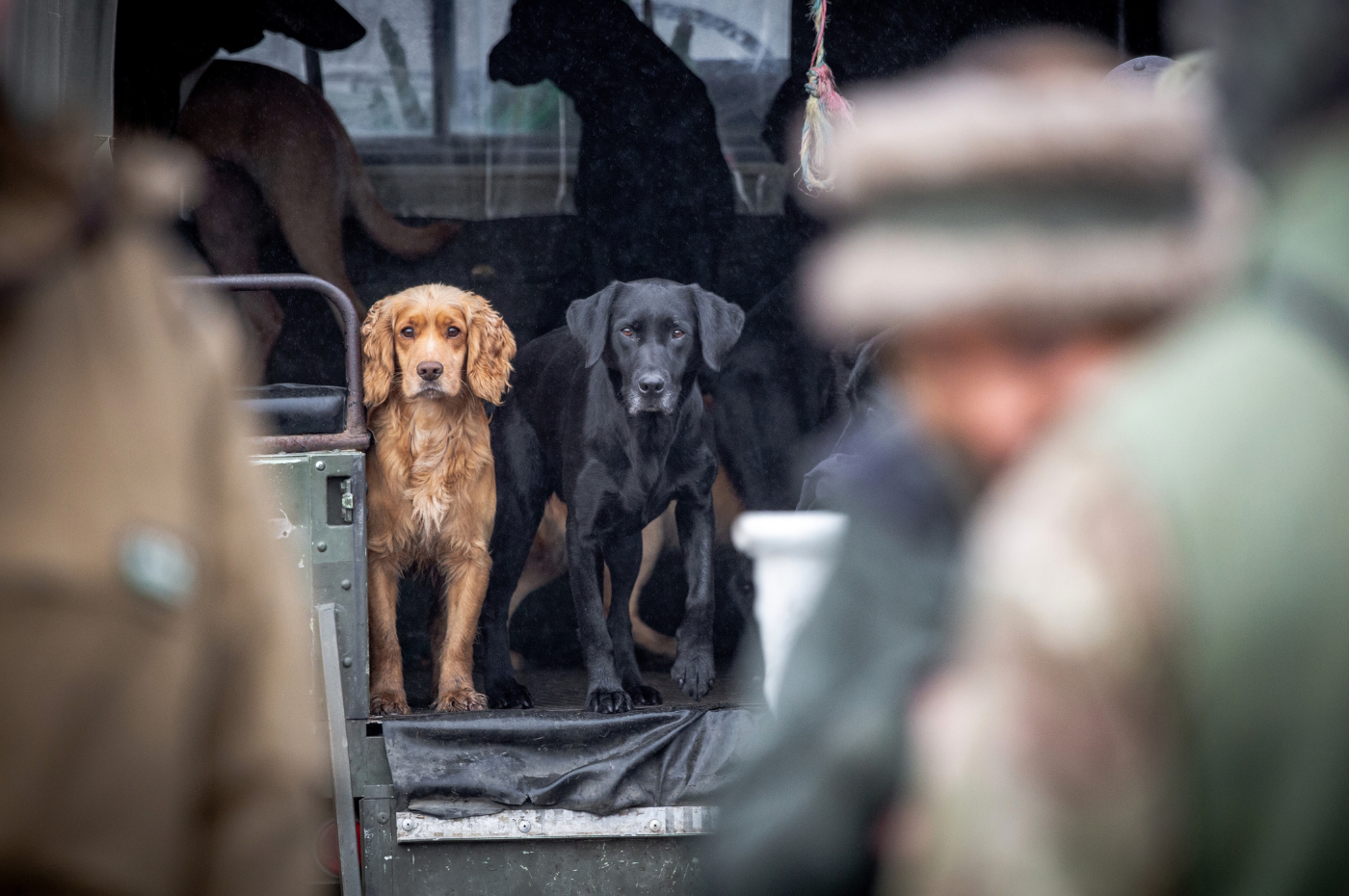
Livestock worrying is another significant problem. Every week, incidents are reported in the media of livestock being mauled by the dogs of irresponsible owners. Doubtless many of these cases go unreported.
It is crucial that visitors to the countryside understand how they should behave, and that they act responsibly when they’re there.
The Countryside Code serves as a good set of guidelines for visitors to follow, highlighting the importance of leaving gates as they’re found, keeping dogs on leads, not littering, and keeping to marked paths.
Issues such as the stone stacks debacle then, serve an important purpose. They raise awareness of how people should conduct themselves in the countryside. The Countryside Alliance will continue to publicly promote the importance of treating the countryside and rural communities with respect.

 10 July, 2025


.png)