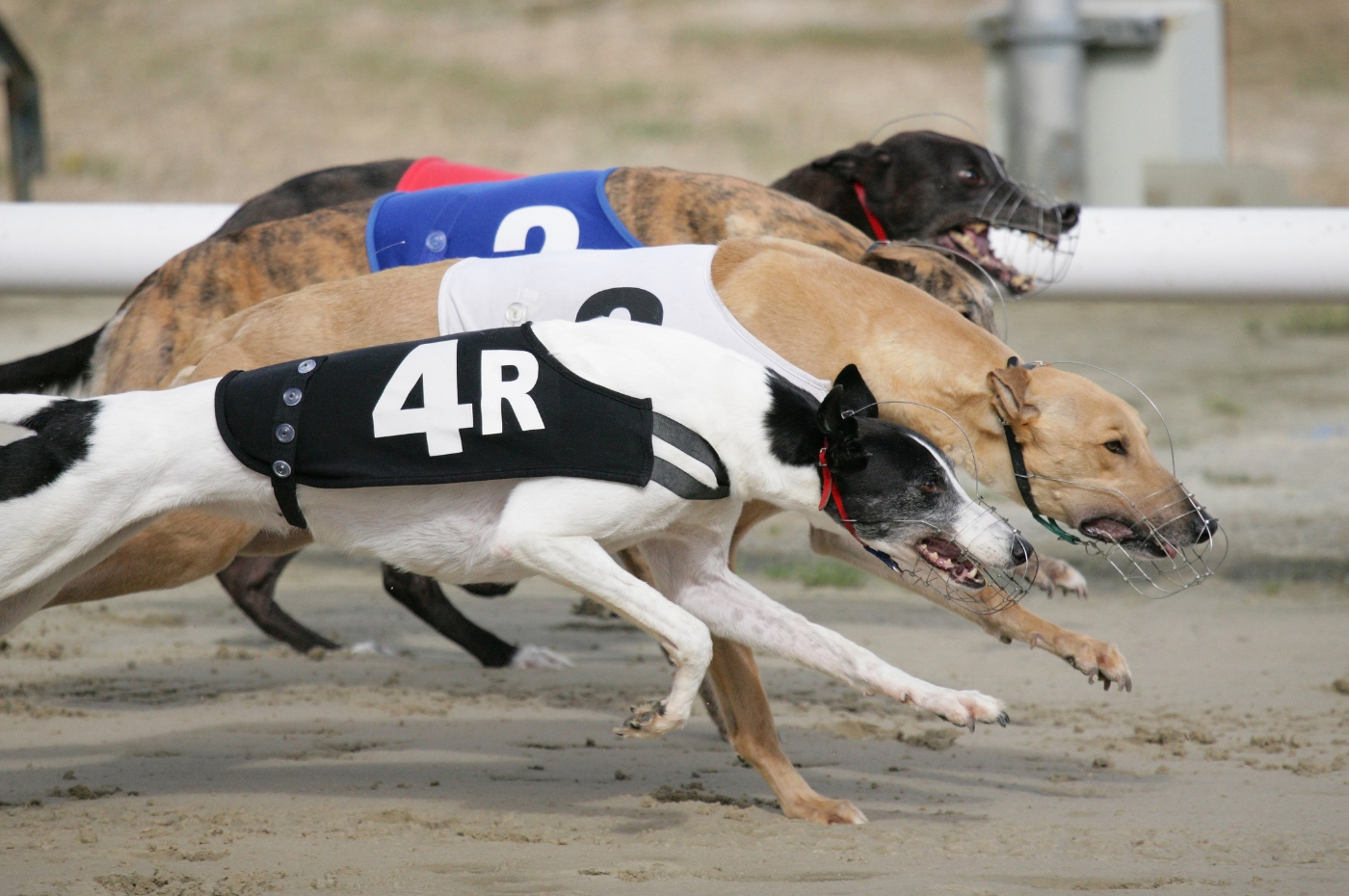
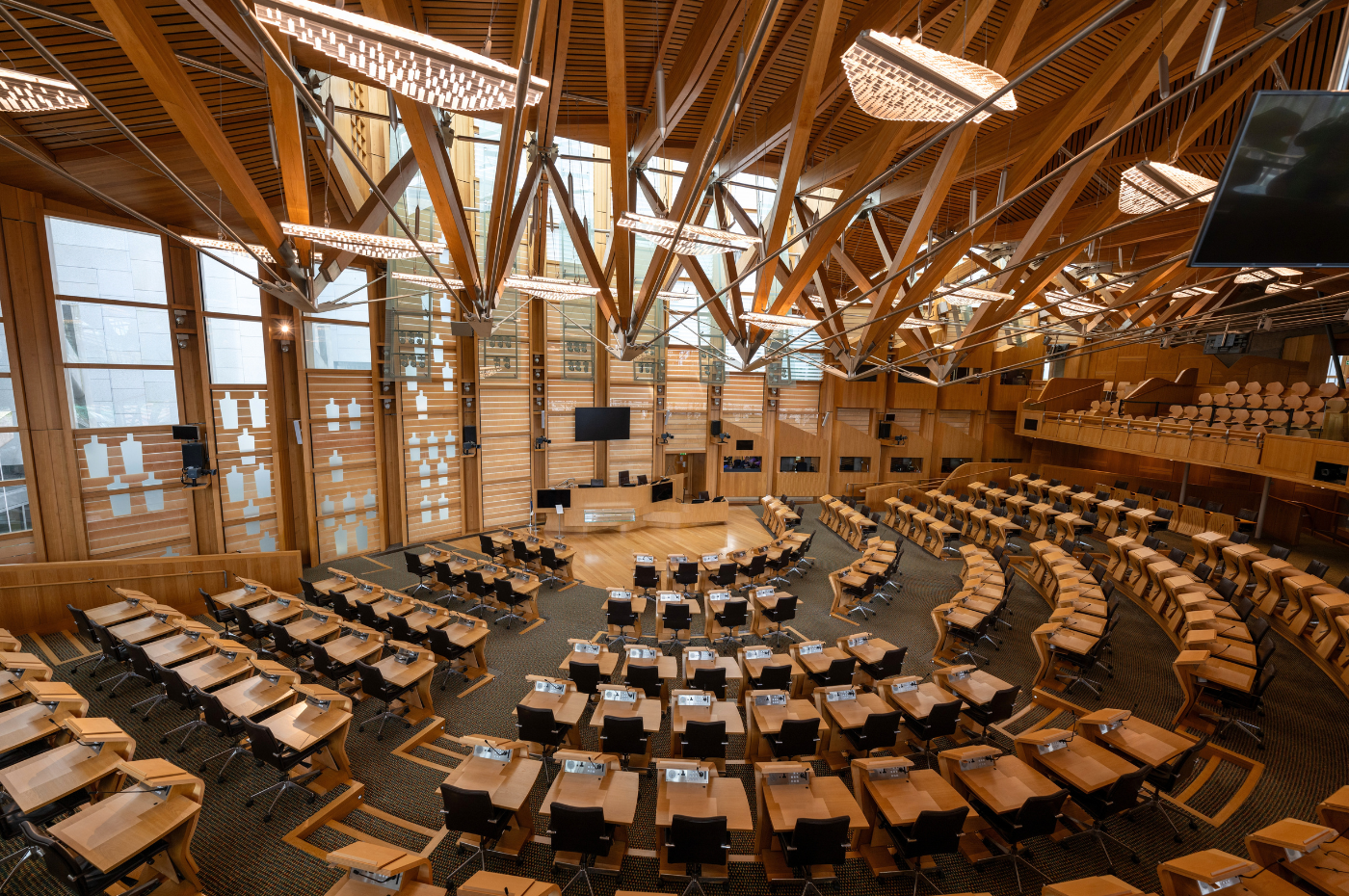
Mark Ruskell, the Scottish Green Party MSP, put forward a members bill to ban greyhound racing in Scotland – the Greyhound Racing (Offences) (Scotland) Bill. This Bill proposes a ban on all racing activities on oval tracks in Scotland, making it illegal for both greyhound trainers and racetrack owners to permit greyhound races to occur.
As discussed in a previous article, we cannot see how the scope of this Bill will improve the welfare of racing greyhounds in Scotland as it will still allow Scottish-based trainers to take their dogs over the border to race in England. This Bill is clearly an attack on the activity in general, rather than just a welfare consideration.
In a recent evidence session to the Rural Affairs and Islands (RAI) Committee, Mr Ruskell suggested that:
“There may be a case for the Scottish Government to look at wider licensing. So, for example, animal transport licensing…. is that currently working effectively for racing greyhounds, are local authorities enforcing that?
“I would like to see the government conduct a wider review, but that review would be outside the scope of the bill. It may be a reason that could consider other animals, other breeds of dogs”.
The focus on animal transportation – in relation to the transportation of greyhounds to races is somewhat concerning, given that this may affect other types of animal transportation around the UK.
The licensing regulations for transporting of animals for commercial activities is currently handled by the Animal and Plant Health Agency (APHA). They issue licences for the following activities:
- Type 1 licence - (short journey) which are required for journeys over 65km and up to 8 hours in duration
- Type 2 licence - (long journey) which are required for those transporting animals for journeys over 8 hours.
These regulations apply to greyhound trainers, as well as livestock and equine hauliers, farmers, animal breeders, transporters of performing animals and those working at livestock markets and slaughterhouses. It does not apply, for example, to individuals who ride for pleasure who transport their own horse or to individuals taking their own pets on holiday. It also doesn't apply to a farmer transporting a single animal.
A review of animal transportation regulations in Scotland could have wider implications for the transport of animals to horse race meetings, agricultural shows, game fairs, dog breeding shows, hunting and shooting events, and similar activities. The Scottish Countryside Alliance fully supports the principle that animal welfare is of utmost importance throughout an animal’s life—whether it is kept for commercial reasons or as a family pet. However, there is concern that such a review could be seen as an indirect challenge to the traditional rural way of life and may introduce unintended consequences in other important areas, all presented under the guise of animal welfare.
In his Members’ Bill, Mr Ruskell has focussed particular attention on the unlicensed Thornton Racetrack in Fife, which he referred to during the evidence session as an “underground track.” The owner of the Thornton track has previously stated that he intends to register the venue with the GBGB should the Greyhound Racing (Offences) (Scotland) Bill fail to progress beyond Stage 1. We suggest that this Bill contravenes the European Convention on Human Rights (ECHR). As we have stated before in our response to the Rural Affairs and Islands Committee:
Given that the Bill will effectively end a viable business and interferes with a contractual arrangement and future earnings without any compensation it would seem to infringe rights under the ECHR, in particular Article 1 (Protocol 1). The Bill amounts to a deprivation and not a control of property rights. It goes beyond what is necessary to achieve a legitimate objective (animal welfare) and is therefore a disproportionate interference. The Scotland Act 1998 explicitly states that legislation passed by the Scottish Parliament is outside its legislative competence if it is incompatible with ECHR rights. Any interference with ECHR protected rights must be the minimum necessary to achieve a legitimate objective. Having reviewed the evidence and the options between status quo, statutory regulation and a ban, we do not believe a ban can be justified but there is a strong case for regulation.
We await the publication of the Stage 1 report from the RAI Committee and will report back on this in due course.

 14 November, 2025