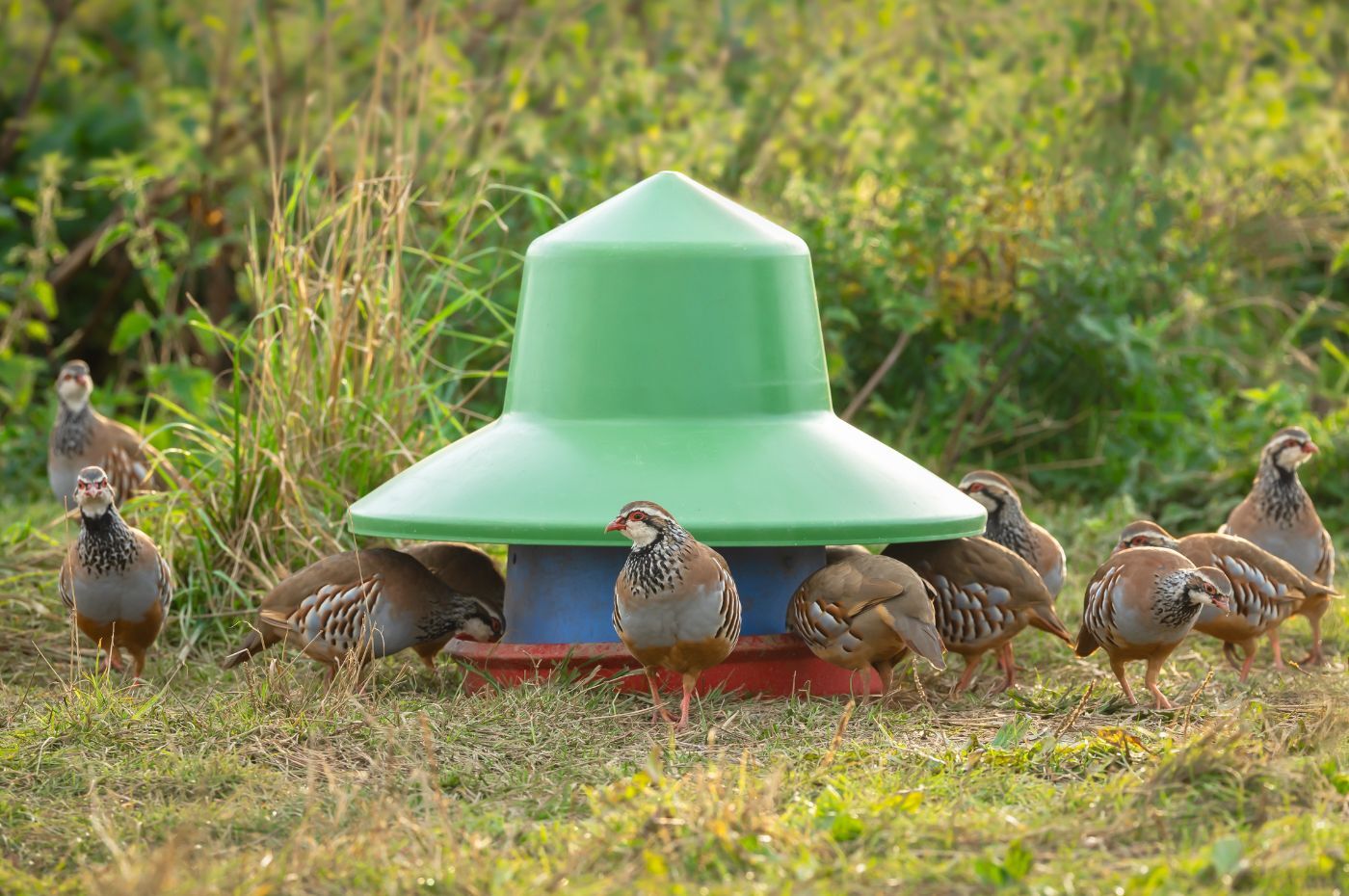
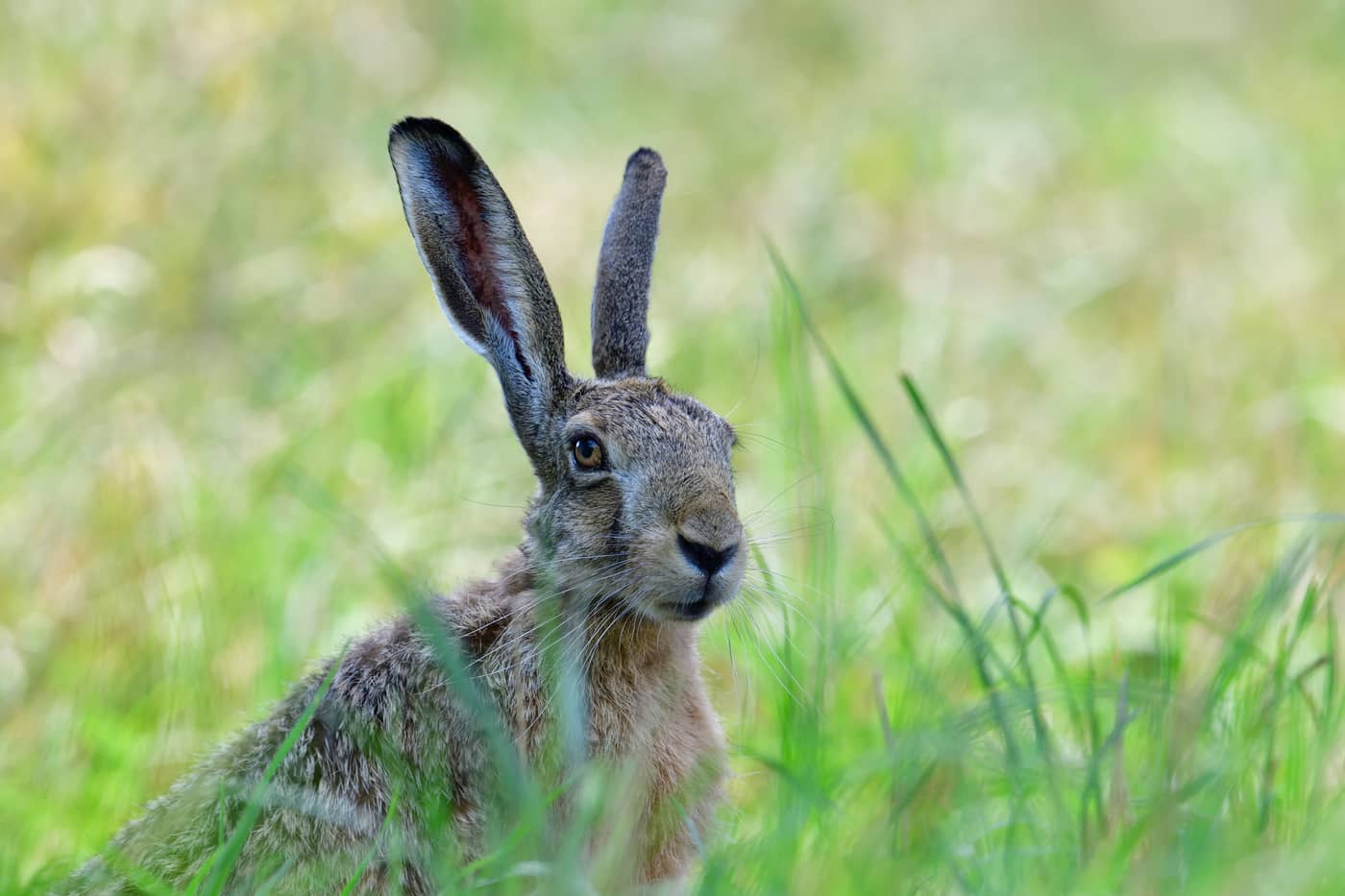
Countryside Alliance opposes Welsh close season for hares
The Countryside Alliance has responded to the Welsh Government’s Wild Animal...
View Details 03 August, 2026


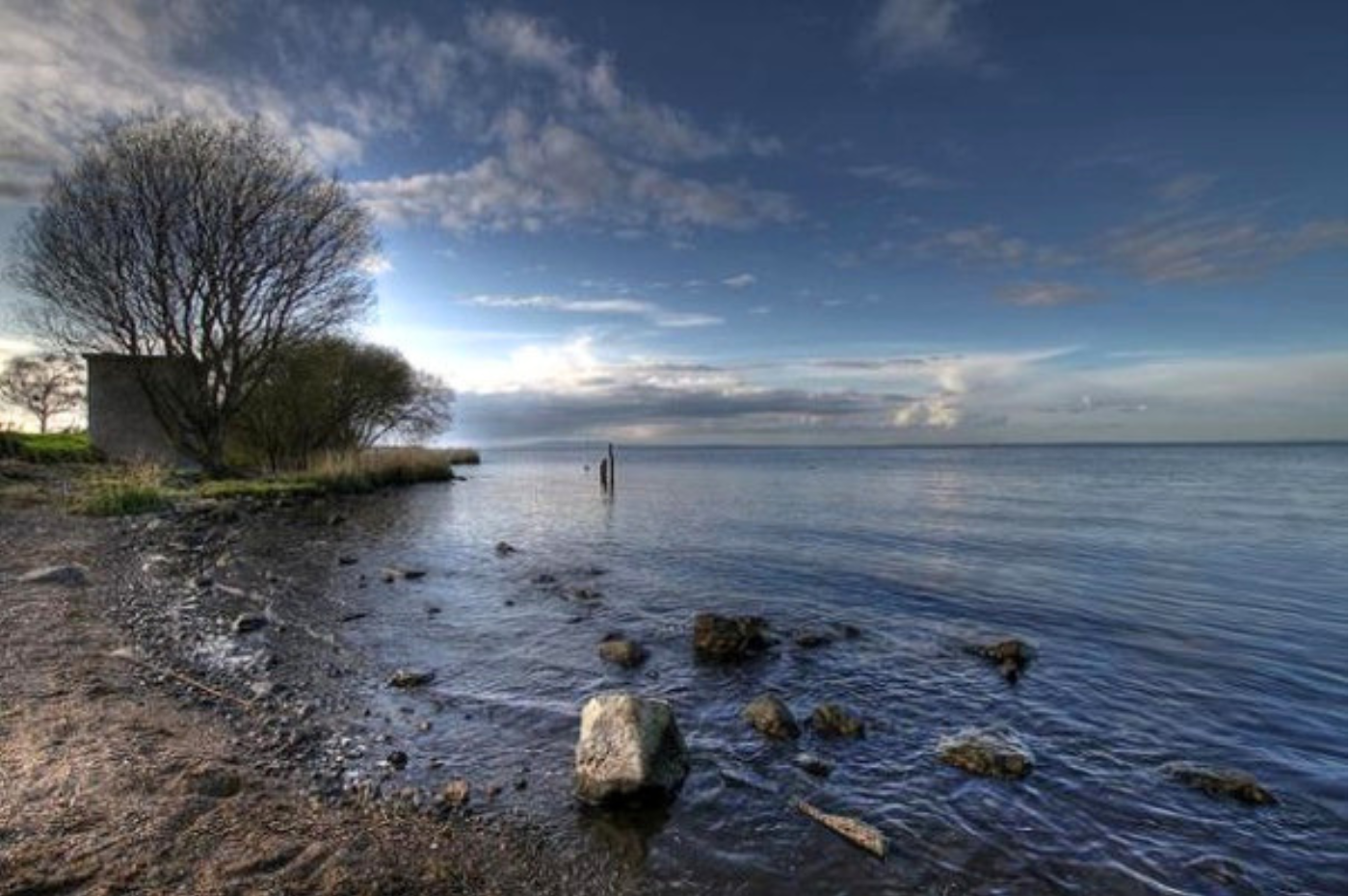
For generations, wildfowlers have been part of the fabric of Lough Neagh. Long before conservation became a political buzzword, local shooting clubs were managing wetlands, controlling predators, installing nesting tubes, clearing litter and protecting the habitats that support thousands of wintering birds.
That's why one sentence in the new Lough Neagh Heritage Resilience Plan, published by the Lough Neagh Partnership and endorsed by the Alliance Party MLA John Blair and SDLP MLA Patsy McGlone, has caught the attention of many in the shooting community.
The plan proposes creating birdwatching stations to help "transfer the image of the Lough as a place to shoot and hunt birds to a place for birds to be watched and protected."
At first glance, that may seem harmless. Encouraging more people to enjoy wildlife is something few would oppose.
But words matter.
To many wildfowlers, it suggests a future where their role is gradually overlooked, despite generations of practical conservation work.
Back in 2016 CAI attended the Lough Neagh future search conference, highlighting the vital work and tradition of wildfowling around the Lough, and you only have to walk into Ballyronan Marina visitor centre to see one of the pictures of the event including people wildfowling, highlighting its importance to local communities.
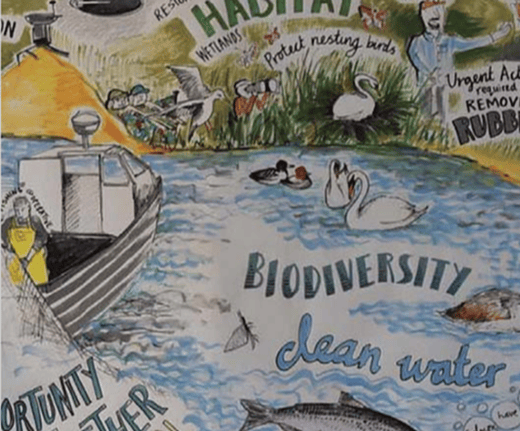
Wildfowling has never been just about shooting.
Spend time with any club around Lough Neagh and you'll find volunteers collecting rubbish from the shoreline, maintaining hides, managing wetlands and improving habitats. Many clubs also install nesting tubes for ducks and carry out predator control to give breeding birds the best possible chance of success.
Foxes, mink and other predators don't just threaten quarry species—they also impact lapwing, redshank, ducks and many other ground-nesting birds. Responsible predator management benefits the wider ecosystem.
It's work that rarely attracts attention because it's done quietly, by volunteers who simply care about the Lough.
Much of the Heritage Resilience Plan deserves support. The Lough faces huge challenges, from poor water quality and blue-green algae to habitat loss and declining biodiversity.
Healthy wetlands mean healthy bird populations, and every responsible wildfowler understands that.
The concern isn't the conservation message. It's that the plan says little about the contribution wildfowlers already make to delivering those conservation goals. Ironically, the document even highlights successful partnership projects involving the wildfowling community, showing they are already part of the solution rather than standing outside it.
To be clear, the plan does not propose banning wildfowling or removing shooting rights; the concern is more subtle.
Its overall vision places increasing emphasis on birdwatching, wildlife tourism and conservation while giving little recognition to traditional rural pursuits. Over time, that shift in thinking could influence future decisions about access, recreation and land management of which some clubs have already lost ground to.
Wildfowlers aren't asking for special treatment. They simply want their contribution to be recognised. These are people who know every corner of the shoreline, monitor wildlife throughout the seasons and give up countless hours improving habitats that benefit birds and other wildlife alike.
The future of Lough Neagh shouldn't be a choice between conservation and wildfowling. The two have gone hand in hand for generations. If the ambition is to restore the Lough, then everyone who cares for it should have a voice. That includes the wildfowling community, whose conservation work has helped protect this internationally important wetland for decades.
Partnership, not division, offers the best future for Lough Neagh.
Link to Lough Neagh Partnerships article and the report can be found here.
.png)