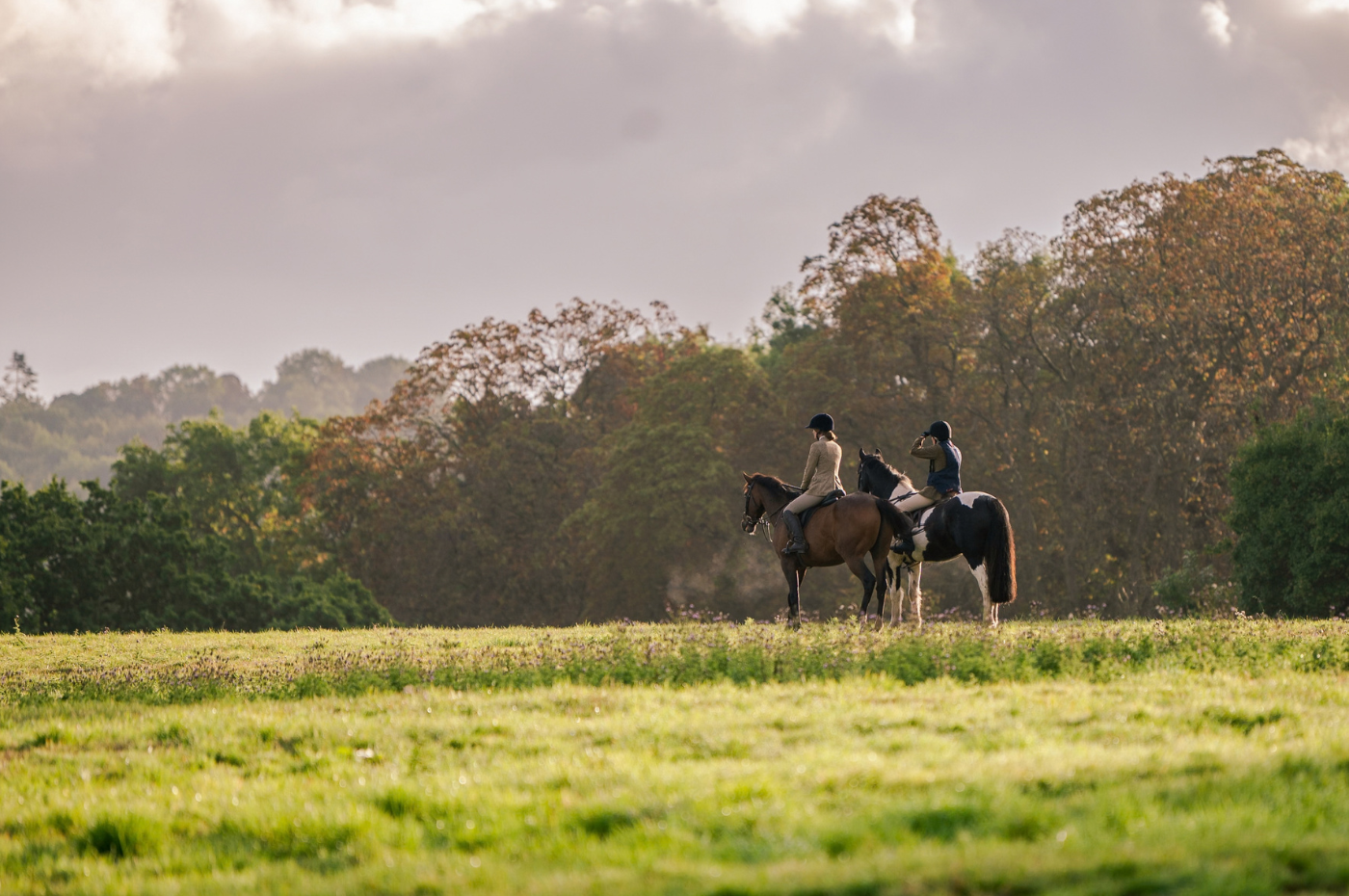
An Opposition Day debate on rural communities yesterday (07 January) gave MPs the opportunity to set out sharply contrasting visions for the countryside, following extensive briefing from the Countryside Alliance. While Ministers and some Labour backbenchers defended the government’s record and criticised its predecessors, the debate was dominated by concerns from across rural England that recent policies are placing disproportionate pressure on farming, small businesses and the wider rural way of life.
Opening for the Opposition the Shadow Defra Secretary, Victoria Atkins MP, argued that rural communities feel “betrayed” by decisions taken since the election. She highlighted record closures of farms and rural businesses, the loss of pubs and village services, rising costs from taxation and employment regulation, and changes to funding formulae that she said favoured urban over rural areas. Repeatedly, Conservative MPs stressed that rural economies are fragile, highly dependent on small enterprises, and particularly exposed to cumulative policy impacts.
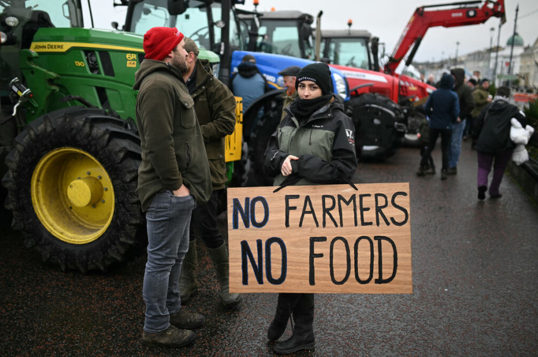
A major theme was the Family Farm Tax and its changes to inheritance tax reliefs. Although the Government has partially retreated, MPs from several parties warned that uncertainty alone has already caused serious distress and risks breaking up viable family farms. Conservatives argued that food security and farm succession must be treated as strategic national priorities, not accounting exercises.
Rural crime, transport, broadband and planning also featured prominently. MPs described persistent issues with machinery theft, illegal hare coursing and fly-tipping, alongside concerns about declining rural policing capacity. Others warned that delays to the gigabit broadband rollout and the loss of reliable bus services continue to isolate villages and market towns. On planning and energy, many MPs accepted the need for renewables but argued strongly, as we do, that prime agricultural land and valued landscapes must not be sacrificed to large-scale infrastructure imposed against local consent such as solar farms.
Hunting and rural pursuits featured repeatedly, especially the government’s proposal to ban trail hunting. Aside from Ms Atkins, three Members intervened directly to defend hunts: Sir Edward Leigh MP (Con, Gainsborough), Mark Pritchard MP (Con, The Wrekin) and Sir Geoffrey Clifton-Brown (Con, North Cotswolds). They argued that trail hunting is already regulated, supports jobs and rural businesses, and that a blanket ban would do little to aid enforcement against genuine criminality. The only ministerial response was simply that they should respond to the forthcoming consultation. Several other MPs highlighted the economic and conservation contribution of shooting and other country pursuits, warning against unintended consequences from poorly designed policy, notably the proposals to seek greater alignment between the licensing of section 1 firearms (rifles) and section 2 (shotguns).
Responding for the government, Ministers emphasised investment in environmental land management, rural broadband, bus services and action on rural crime, while placing the blame for many of the current challenges on previous administrations. Numerous rural MPs remained unconvinced that the scale, pace or targeting of support matches the realities on the ground.
The debate underlined a clear message: rural communities are not resistant to change, but they expect policy to be proportionate, practical and rooted in an understanding of rural life. As MPs from across the House made clear, getting the policy wrong risks causing lasting damage to livelihoods, landscapes and the social fabric of the countryside. That is why the Countryside Alliance is campaigning for the government to introduce Rural Community Impact Assessments, so that policies are evaluated to determine whether they truly meet rural needs.

 08 January, 2026



.png)