The Countryside Alliance is working closely with the National Energy System Operator (NESO) as it prepares a key report to the Energy Secretary that will determine the future of the UK’s energy system, with critical implications for the continued availability of agricultural land.
Founded in October 2004 as a spin-off from the National Grid, NESO is responsible for the strategic planning of Britain’s energy system. As the government’s recently published Land Use Framework makes clear, this will inevitably involve some loss of agricultural land, which will be needed to house energy generators and other infrastructure. The question is, therefore, one of degree: just how much agricultural land will be lost. Because we understand the importance of a thriving domestic agricultural sector to UK food security and to the communities that are underpinned by farming, the Countryside Alliance has been working closely with NESO to advance the view that these losses must be minimised and mitigated – as must other negative impacts on the countryside.
Our engagement takes several forms. Early in NESO’s lifetime, having sought out engagement with the body, we were invited to sit on the company’s ‘societal forum’ for farming and land use. We were then given the opportunity to represent that group on its umbrella body representing all the societal interest groups it had formed. We have had various bilateral meetings to reinforce the message. We have responded to NESO consultations, such as last year’s on the expansion of the long-distance electricity transmission grid, which will affect plans for new pylon lines and substations that could impact rural aesthetics and tourism. This week, we attended and contributed to a NESO away day, where we believe we were the only rural organisation in the room.
Currently, a major piece of work on NESO’s agenda is producing a set of ‘energy pathways’ that will determine how our energy system develops in future. Each of these focuses on a different objective, from aiming for the lowest overall cost to minimising the use of gas where the CO2 it emits when burned is not captured and stored. At an earlier stage NESO produced a ‘long list’ of pathway options that also included one focused on minimising the impact of new infrastructure on land use, so that less land would need to be converted away from agriculture. A focus of Countryside Alliance engagement was to ensure that this pathway made it through to the current ‘short list’ of options that will shortly be presented to the Energy Secretary for a final decision. While we cannot force the Energy Secretary to select it, we are pleased to have achieved this objective.
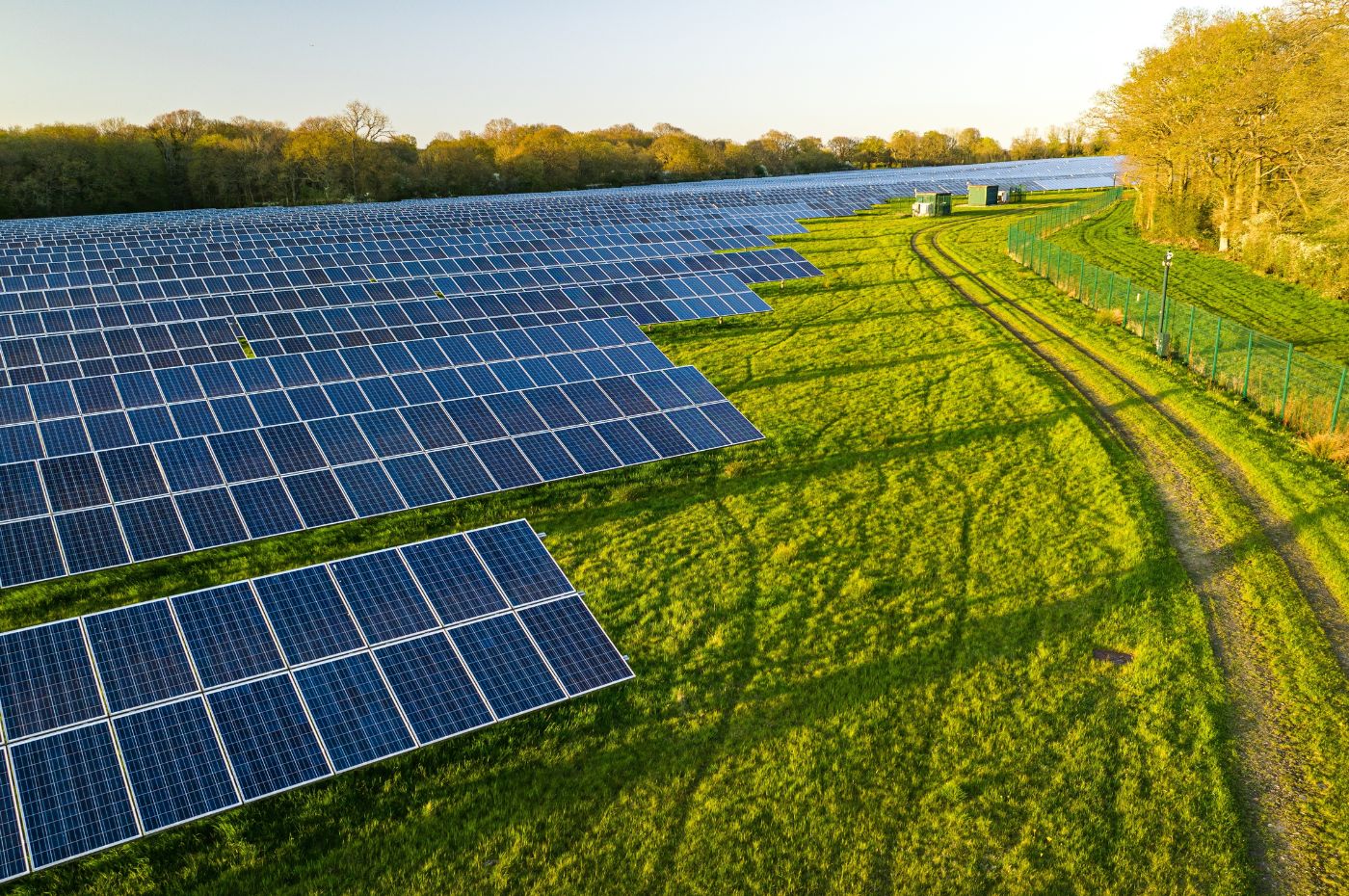
As part of the alternative to higher agricultural land loss we have consistently challenged NESO, and by extension the government, to show greater ambition on having energy generators – principally solar panels and wind turbines – retrofitted to existing industrial and domestic buildings, as well as other facilities on land that has already been developed. Feedback has been positive and we expect to see a stronger focus on these opportunities in the next edition of the modelling. We also look forward to reviewing NESO’s summary of the electricity transmission consultation when it is published this summer.
The Countryside Alliance welcomes the opportunity to work with NESO to ensure that, as the future of the UK energy system is designed and planned out, the voice of the countryside will be heard.

 11 June, 2026



.png)