
Skip to content
Fishing For Schools

A new qualification

Fishing for Schools has developed a formal qualification, designed for delivery in schools, colleges and approved centres. The programme blends practical angling with conservation, personal development and employability skills, so learners thrive in class, on the bankside and beyond.

Currently in development, pilot delivery is planned from September 2026 subject to centre approvals.

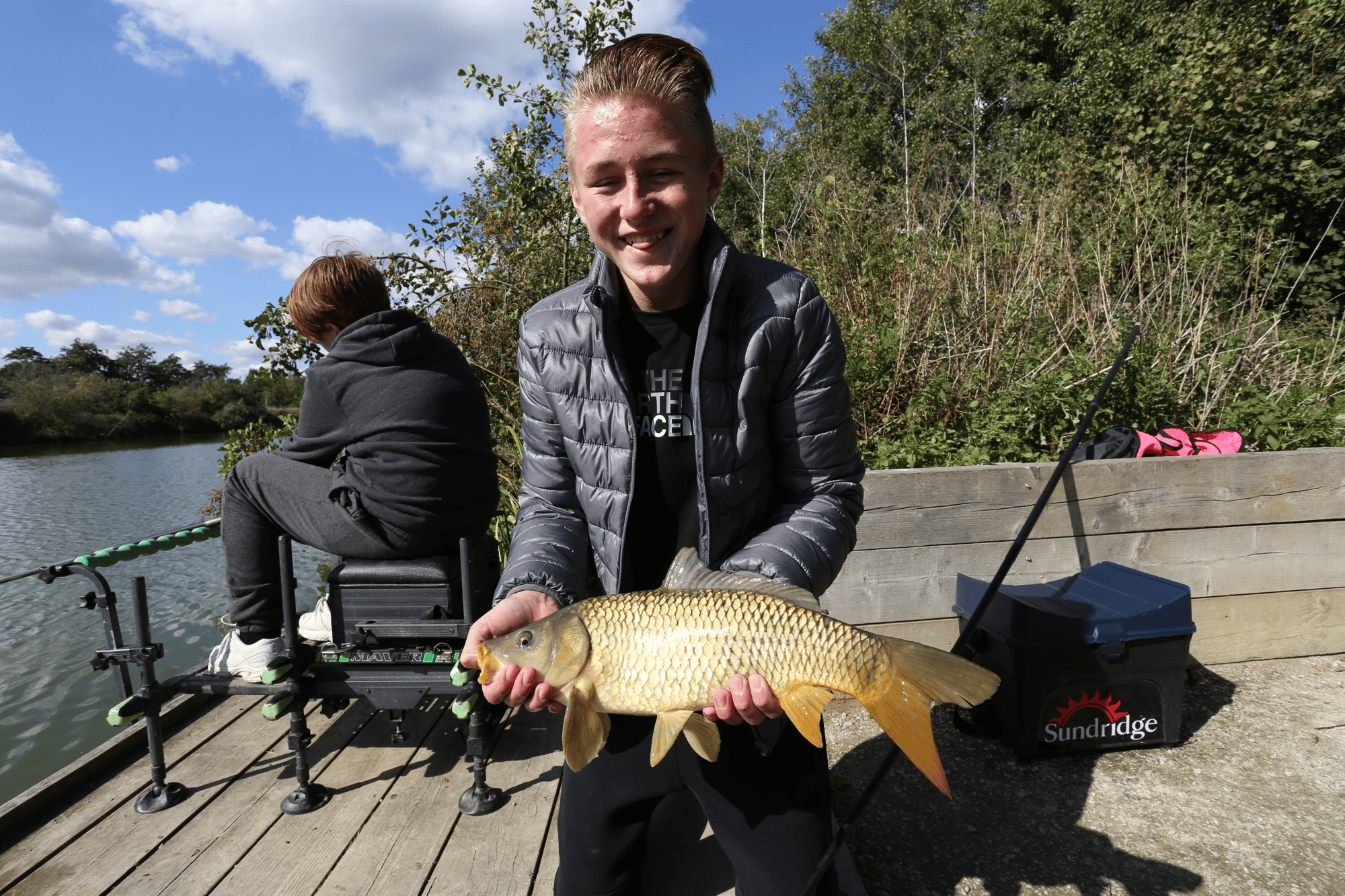
Fishing for Schools Session Riverbank
F4S - our journey - image for text box 1

Who is it for?

  • Key Stage 3 and Key Stage 4 learners
  • Post 16, alternative provision and PRUs
  • Learners with SEND, content and assessment are adaptable
  • Home educated learners, through approved centres or consortium groups
  • Teachers and coaches who want a structured pathway with robust quality assurance
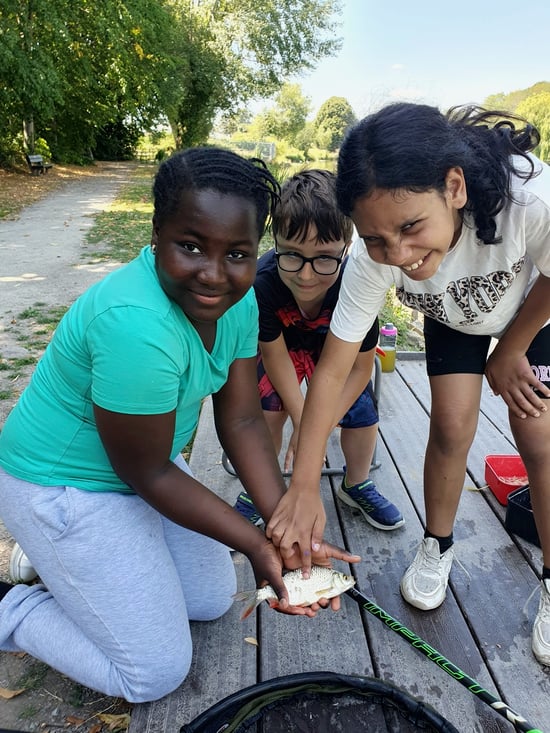
  • 165e0716-6fbd-41aa-aead-a7a32df2750f

    Who is it for

    • Fishing for Schools favicon Key Stage 3 and Key Stage 4 learners
    • Fishing for Schools favicon Post 16 - alternative provision and PRUs
    • Fishing for Schools favicon Learners with SEND - content and assessment are adaptable
    • Fishing for Schools favicon Home educated learners - through approved centres or consortium groups
    • Fishing for Schools favicon Teachers and coaches who want a structured pathway with robust quality assurance
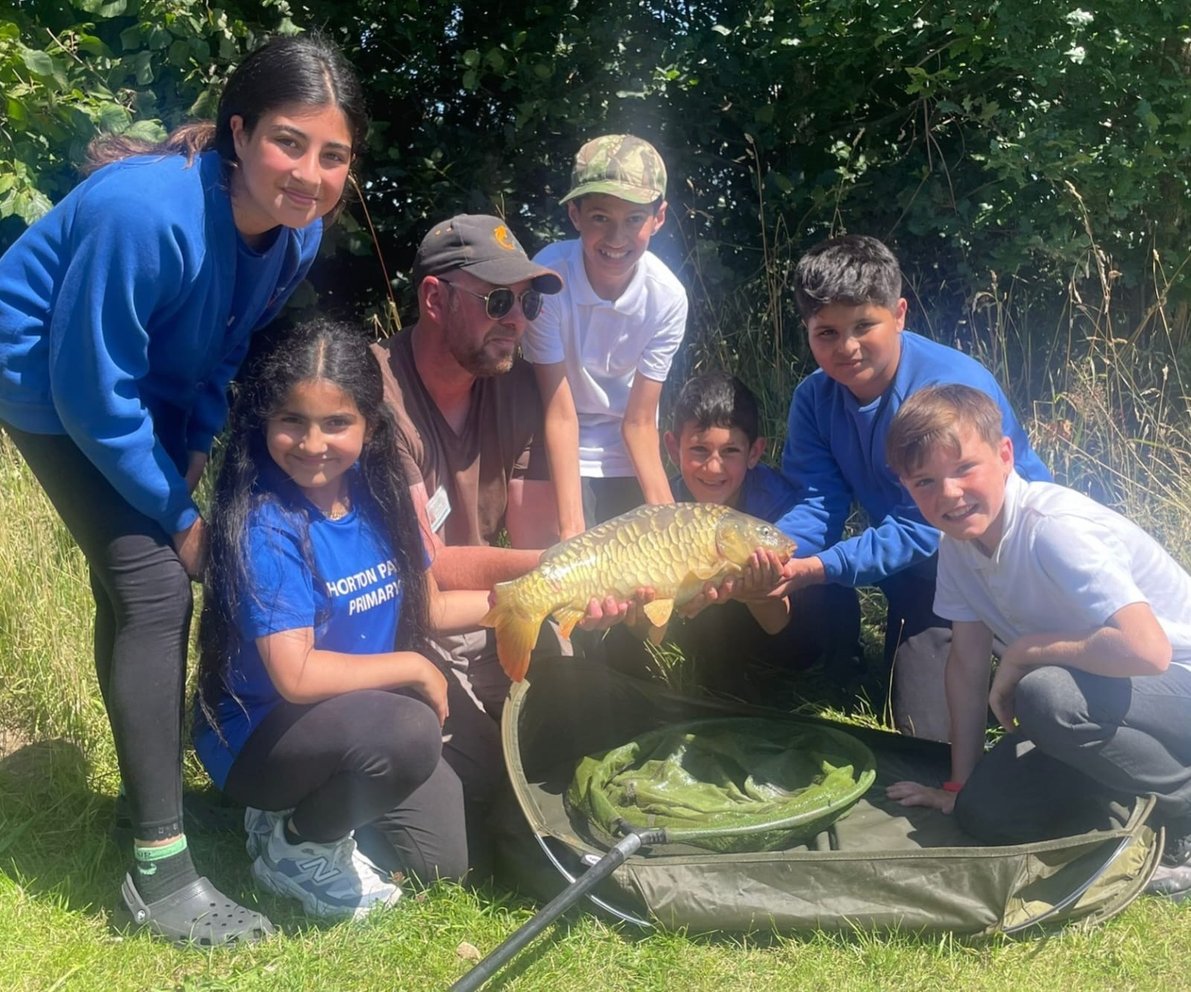
    Fishing for schools outside

    Why choose this qualification

    • Fishing for Schools favicon Engaging - practical learning that supports attendance and behaviour
    • Fishing for Schools favicon Transferable skills - teamwork, communication, planning and reflection
    • Fishing for Schools favicon Conservation minded - aquatic ecology, fish welfare and habitat care
    • Fishing for Schools favicon Safe practise - water safety, risk awareness and equipment care
    • Fishing for Schools favicon Progression - clear next steps into sport, conservation, volunteering and work
    • Fishing for Schools favicon Integrated learning - links to numeracy, literacy, IT, and science through applied outdoor learning
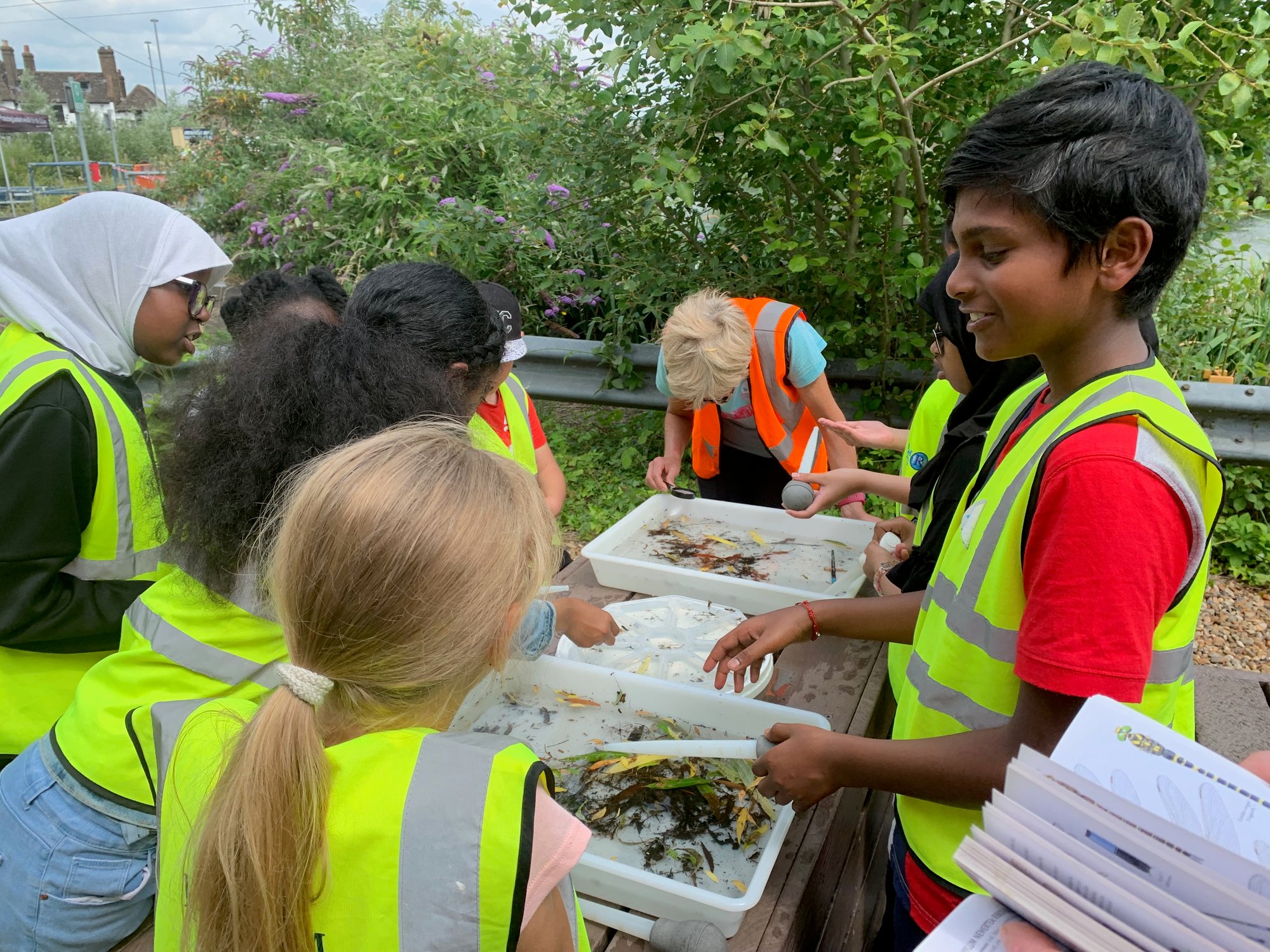
    IMG_0333

    What learners will cover

    The draft specification includes:
    • Fishing for Schools favicon Water safety and safe conduct near open water
    • Fishing for Schools favicon Angling equipment, set up and care
    • Fishing for Schools favicon Casting, playing and landing fish responsibly
    • Fishing for Schools favicon Aquatic ecology and conservation in the UK
    • Fishing for Schools favicon Recording, reflection and personal goal setting
    • Fishing for Schools favicon Teamwork, problem solving and basic event planning
    • Fishing for Schools favicon Next steps in angling, conservation and the rural economy
    • Fishing for Schools favicon Assessment will combine practical observation, short knowledge checks and a learner portfolio. Final structure is subject to awarding body sign off.
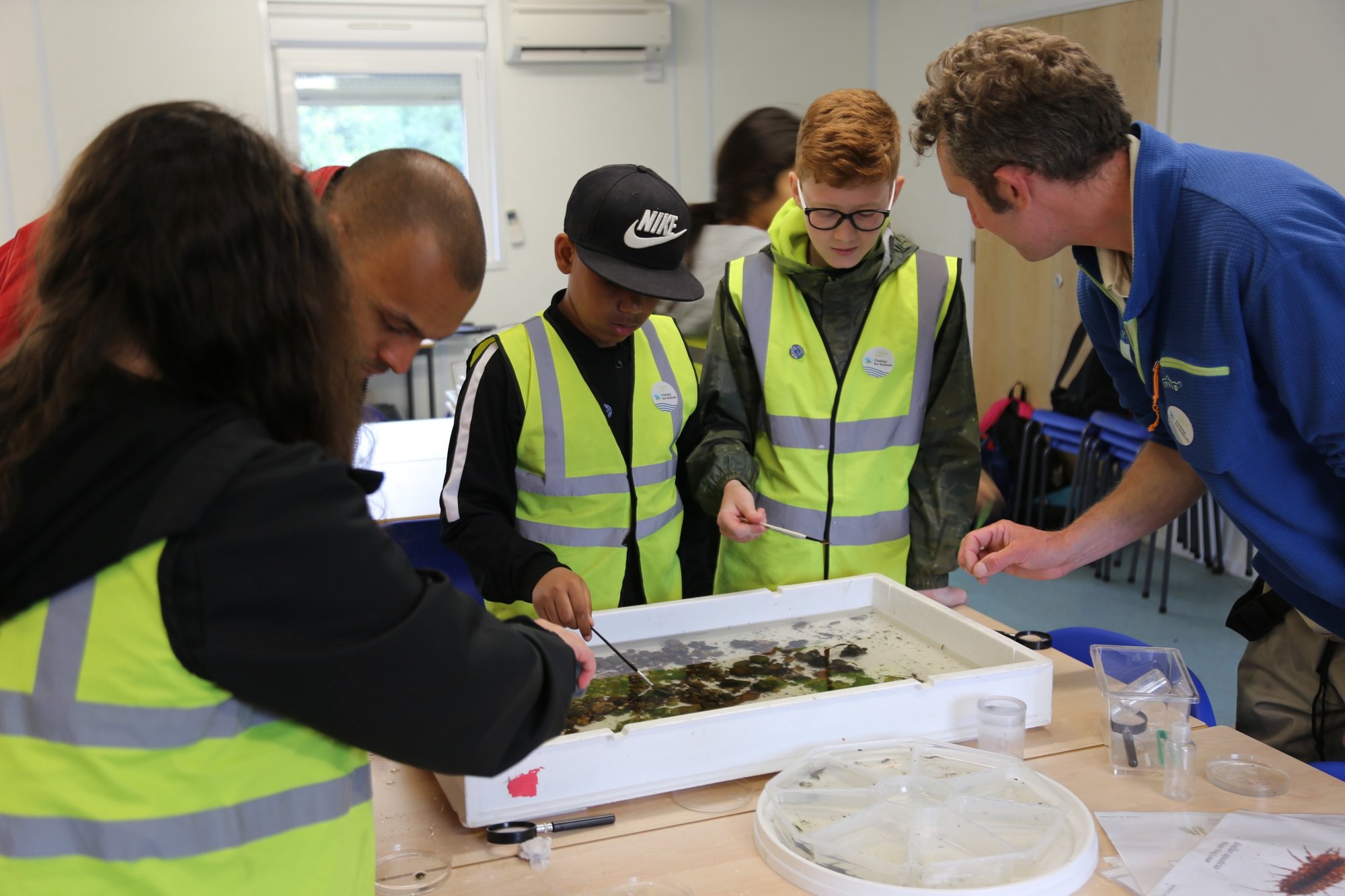
    IMG_8448

    Includes broader classroom subjects

    The qualification will also connect with broader classroom subjects and transferable learning areas, including:
    • Fishing for Schools favicon Numeracy - counting catch, measuring distance, and calculating line weight and reel spooling ratios
    • Fishing for Schools favicon Literacy - written reflections, recording findings, and developing notation skills for data and observation
    • Fishing for Schools favicon IT skills - using digital tools to record results, track conservation data, or create presentations
    • Fishing for Schools favicon Science and geography - understanding aquatic habitats, ecosystems, and weather patterns
    • Fishing for Schools favicon Outdoor learning - promoting wellbeing, mindfulness, and a stronger connection to nature
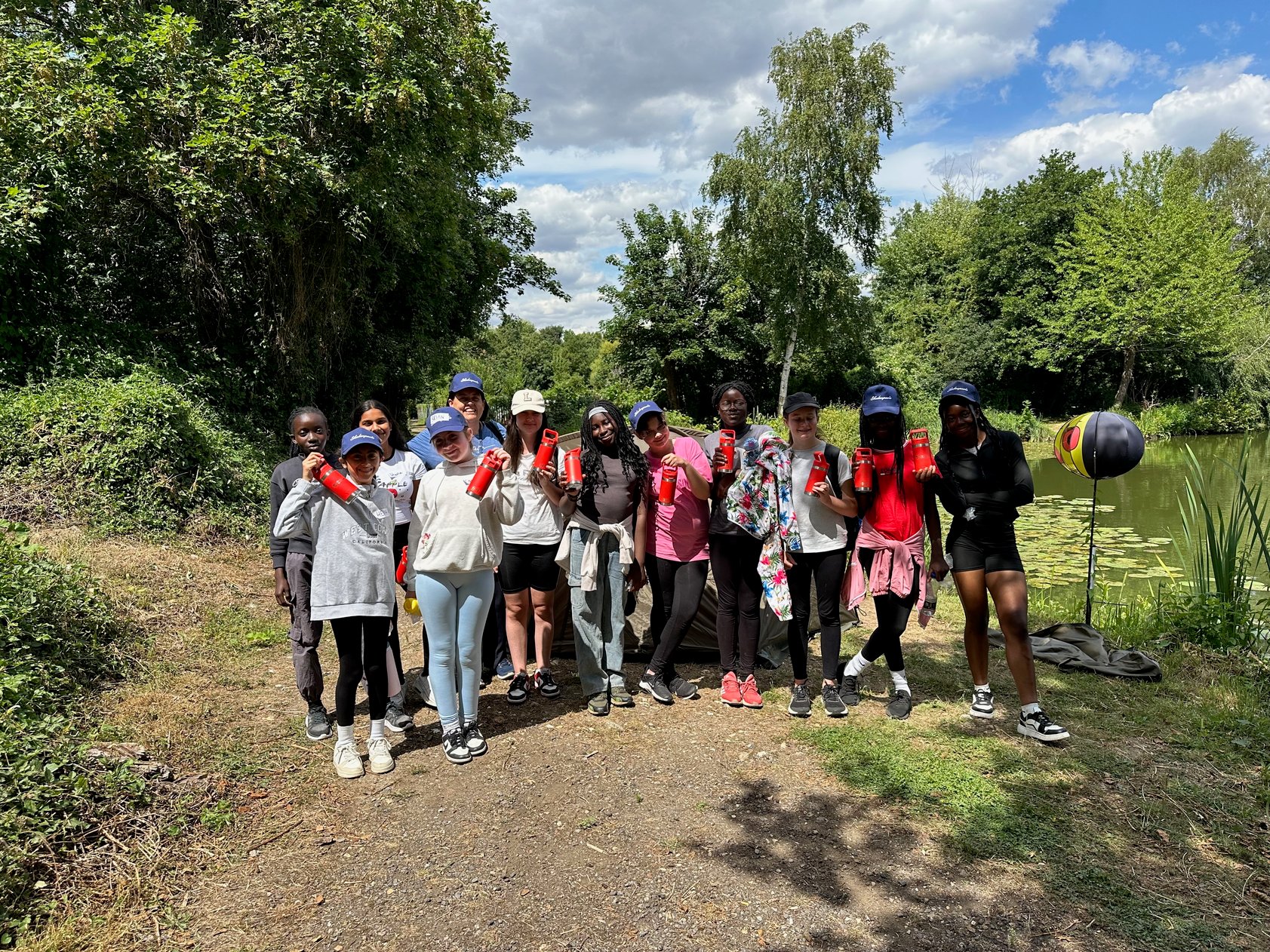
    IMG_2932

    Delivery model

    The draft specification includes:
    • Fishing for Schools favicon Blended, classroom sessions, bank side sessions and guided self study
    • Fishing for Schools favicon Coach ratio - typically 1 to 3, adjusted for group needs and venue
    • Fishing for Schools favicon Duration - flexible guided learning hours to fit timetables
    • Fishing for Schools favicon Venues - school grounds where suitable, partner fisheries, community waters
    • Fishing for Schools favicon Safeguarding - all Fishing for Schools coaches are DBS checked, trained and insured
    • Fishing for Schools favicon We will publish a centres handbook with venue standards, kit lists and risk templates.
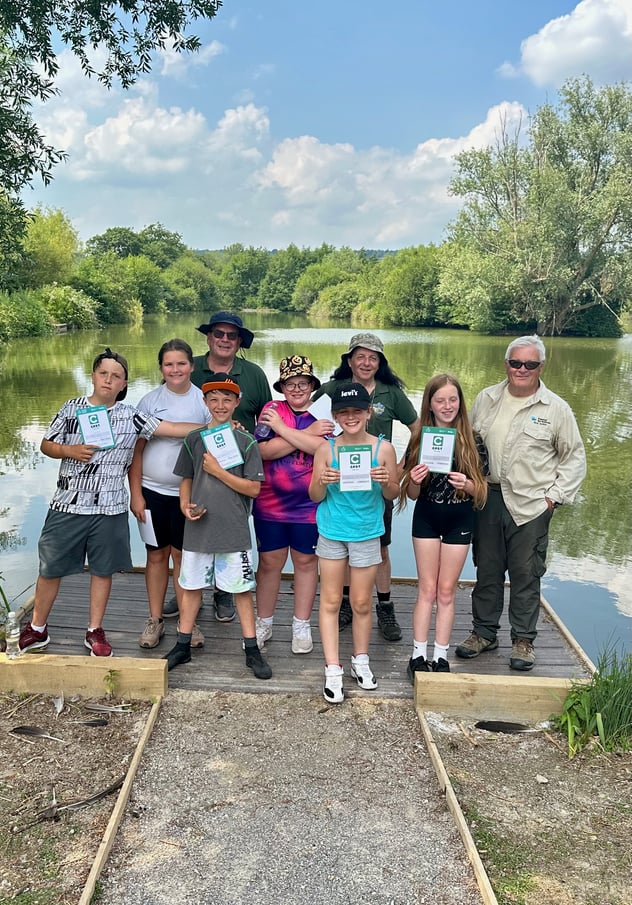
    IMG_1050

    Centres and partners

    We welcome enquiries from schools, colleges, alternative provision, charities and community organisations. Approved centres will meet quality assurance requirements, agree to moderation visits and use standard resources. A train-the-trainer route and a coach licensing model will be offered for partners without in house staff.
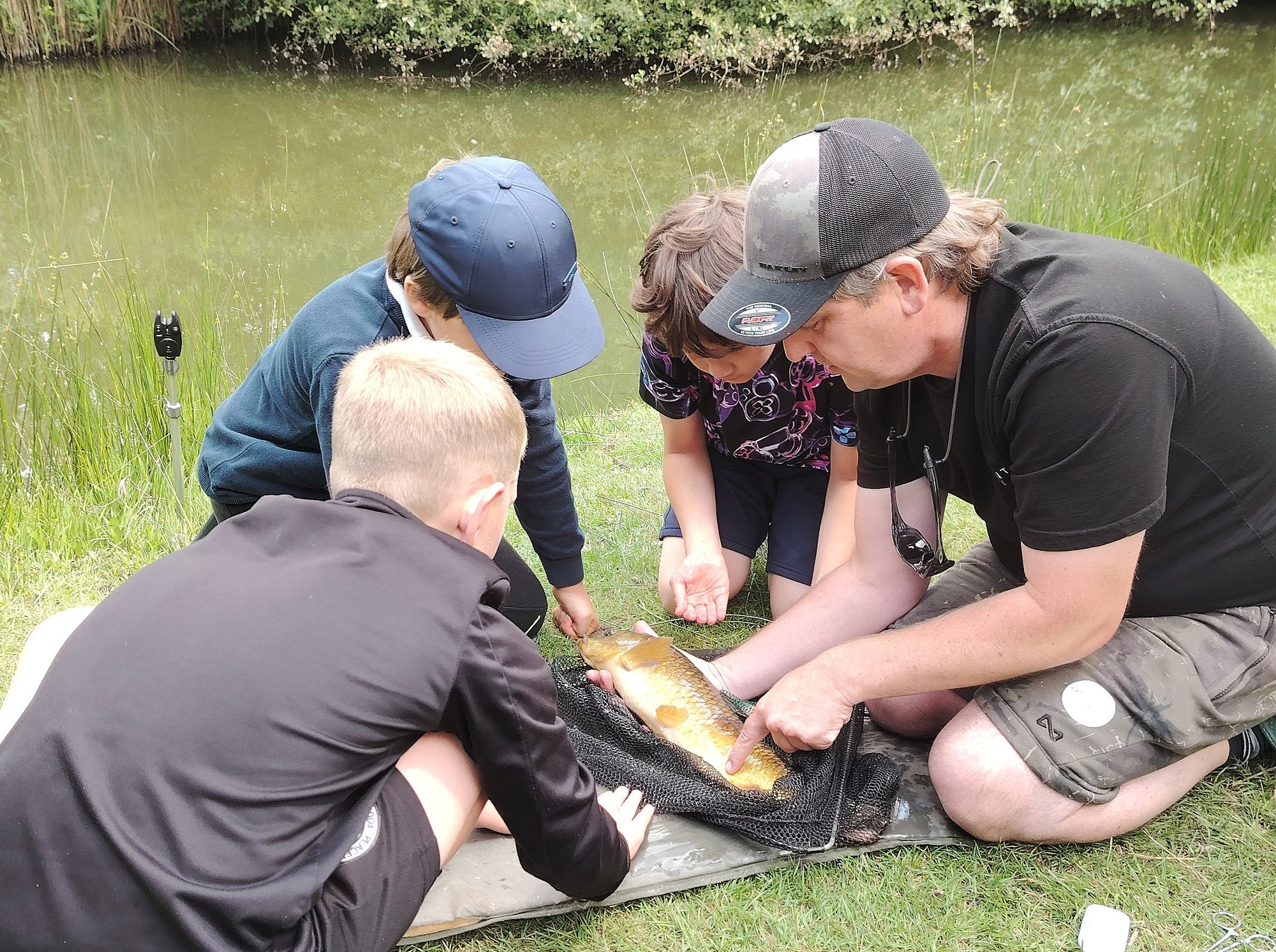
    Fishing for Schools Group

    Indicative costs and funding

    Pricing depends on group size, venue, travel, equipment and the final guided learning hours. We expect tiered pricing for schools and community partners, with bursary support available where funding permits. We will signpost relevant grants and local funding routes in the information pack.
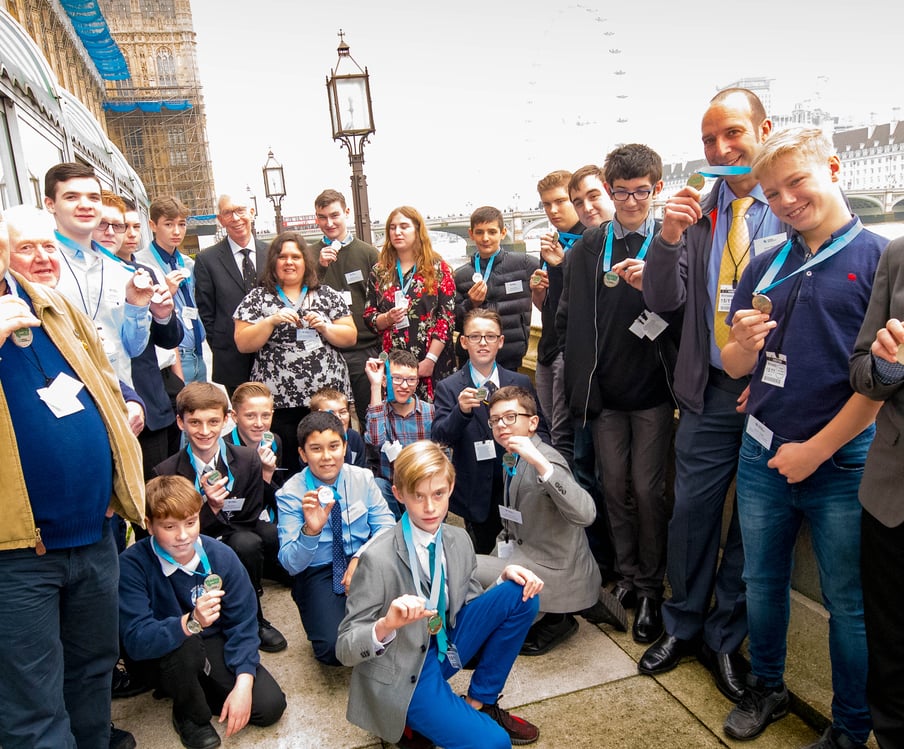

    Fishing for Schools Reception House of Lords 2017

    Timeline

    Dates may change, please register interest to receive updates.

    • Fishing for Schools favicon Winter 2025/2026 - centre readiness and partner onboarding
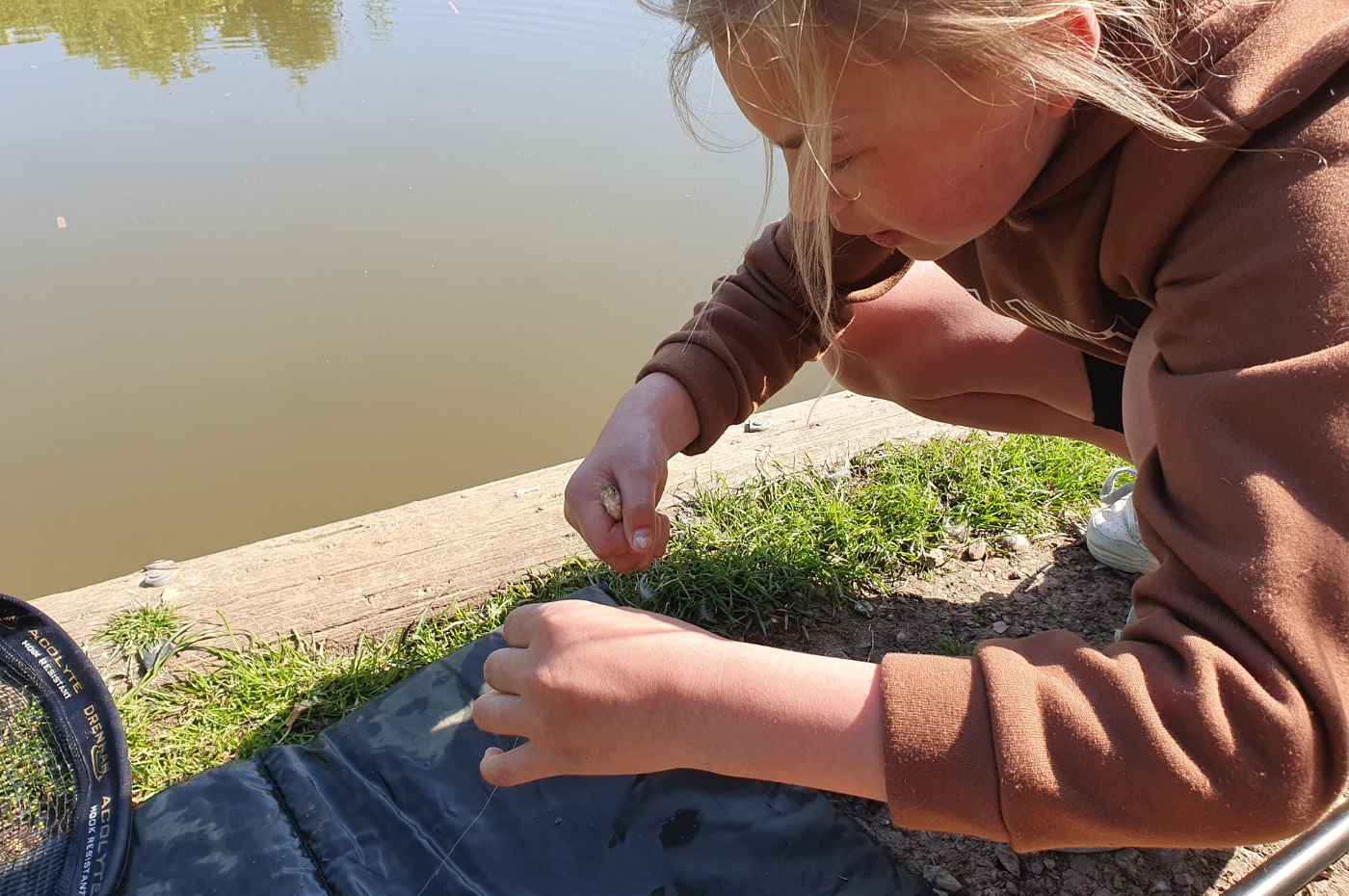

    • Fishing for Schools favicon Spring 2026 - final specification, resources and centre approvals
    • Fishing for Schools favicon September 2026 - pilot cohorts begin at selected centres
    Fishing for Schools_pic 4_1400x930px

    Enquiries and more information

    Register your interest to receive the information pack, centre criteria and timeline updates. We will also invite you to a short online briefing, with a Q&A and case studies about Fishing for Schools delivery

    FAQS

    Is the qualification Ofqual regulated?
    The qualification is being developed with Crossfields Institute, an awarding organisation. Final regulation status and level will be confirmed before pilot delivery - we will update all registered contacts.
    What age range is it for?
    The pathway is written for KS3 and KS4, and can be adapted for Post 16. Home educated learners can join through approved centres.
    How many guided learning hours are required?
    The final hours will be confirmed in the specification. We expect a flexible model that fits standard timetables, for example one session per week over a term.
    Can learners with SEND take part?
    Yes. Content and assessment are designed to be adaptable. Coaches work with your SENCo to plan support, including reasonable adjustments that align with the specification.
    Can home educated learners enrol?
    Yes, through an approved centre or local consortium group. Use the interest form and  we will advise on local options.
    Do we need our own equipment?
    Centres can use Fishing for Schools kit or provide their own. We share a kit list and care guidance. All bait and tackle must meet our welfare standards.
    What safety and insurance measures are in place?
    Water safety is a core part of the programme. All bank side sessions are risk assessed. Our coaches are DBS checked, trained and insured. Centres will need their usual parental consent and off site procedures.
    Where does practical learning take place?
    On suitable school waters, partner fisheries or community venues that meet our standards. We will help you identify and approve a local site.
    What if the weather is poor?
    Sessions proceed with suitable clothing and contingency tasks. In unsafe conditions we switch to classroom based learning from the same module.
    How are learners assessed?
    Through observed practical tasks, short knowledge checks and a simple portfolio of evidence. There are no long written exams.
    What certificate do learners receive?
    Learners who meet the standard will receive a Crossfields Institute certificate awarded by Fishing for Schools. Wording and level will be confirmed in the final specification.
    How much does it cost?
    Costs depend on group size, venue, travel and equipment. Indicative pricing will be shared in your information pack, along with funding routes.
    How many learners per group?
    Typical ratio is 1 coach to 8 learners. We can adjust for group needs, risk assessment and venue.
    Can teachers deliver it?
    Yes, through the centres route. We will offer train the trainer CPD for teachers and support staff, with quality assurance and moderation as well as support materials and necessities to deliver.
    What progression routes does it support?
    Volunteering with angling clubs, conservation groups and citizen science, entry level jobs in the rural economy, and further study in land and environment subjects.
    How do we get started?
    Complete the interest form. We will arrange a short call to discuss your setting, then share the pack, dates and next steps.
    Will there be a pilot programme?
    Yes. We will run a pilot in 2026 with selected schools and centres to test and refine the qualification before national rollout. Those involved will receive full support and training.
    Can we register interest for the pilot now?
    Yes. Use the interest form to let us know if you would like to be considered for the pilot stage. We will confirm participating centres once details are finalised.
    When will more information be released?
    Additional details including specification, pricing, and assessment structure will be published during 2025/2026. All registered contacts will receive updates automatically.
    Will there be future updates and resource?
    Yes. We will regularly update this page with new FAQs, downloadable resources, and event dates as development continues.