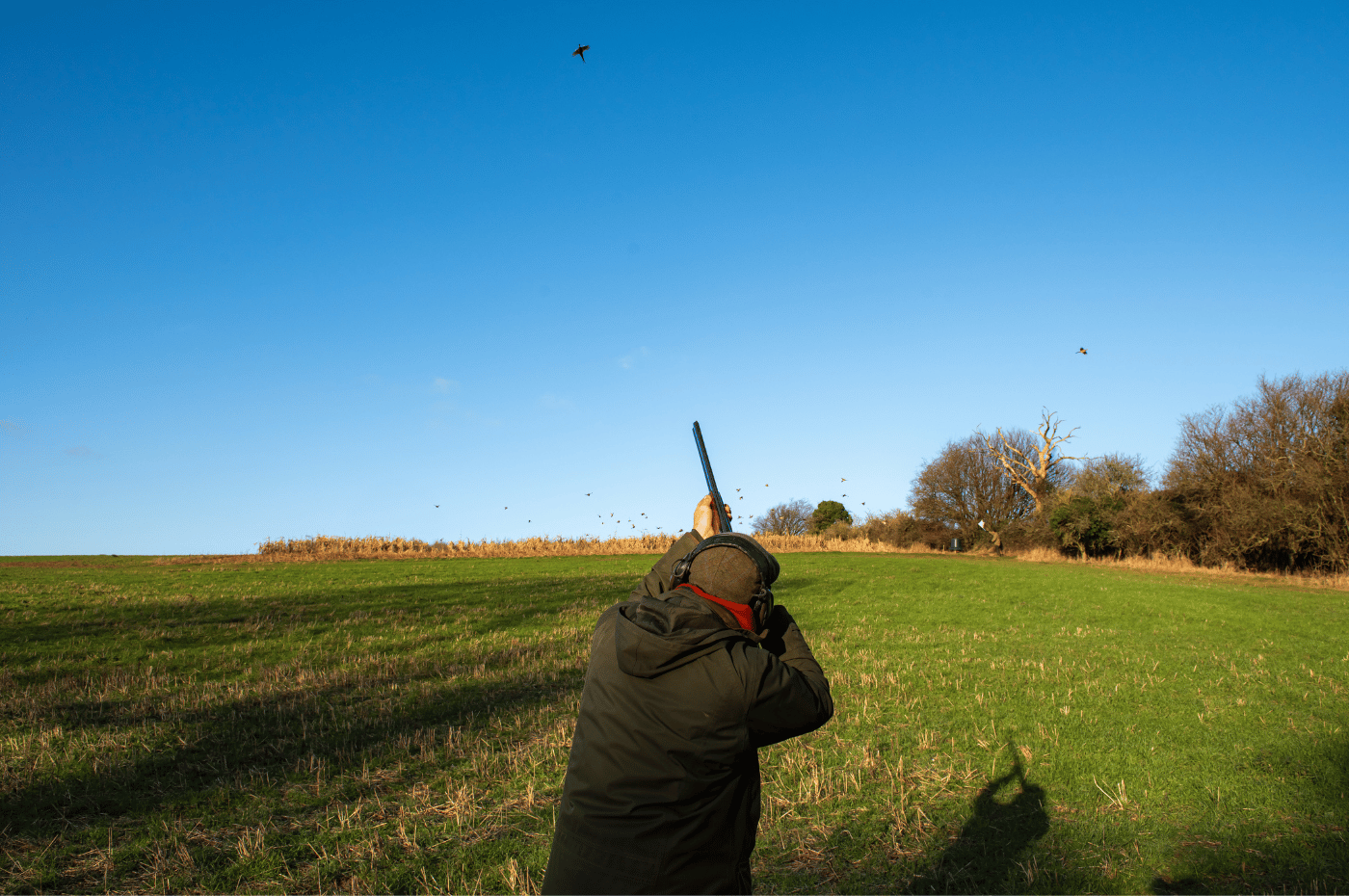
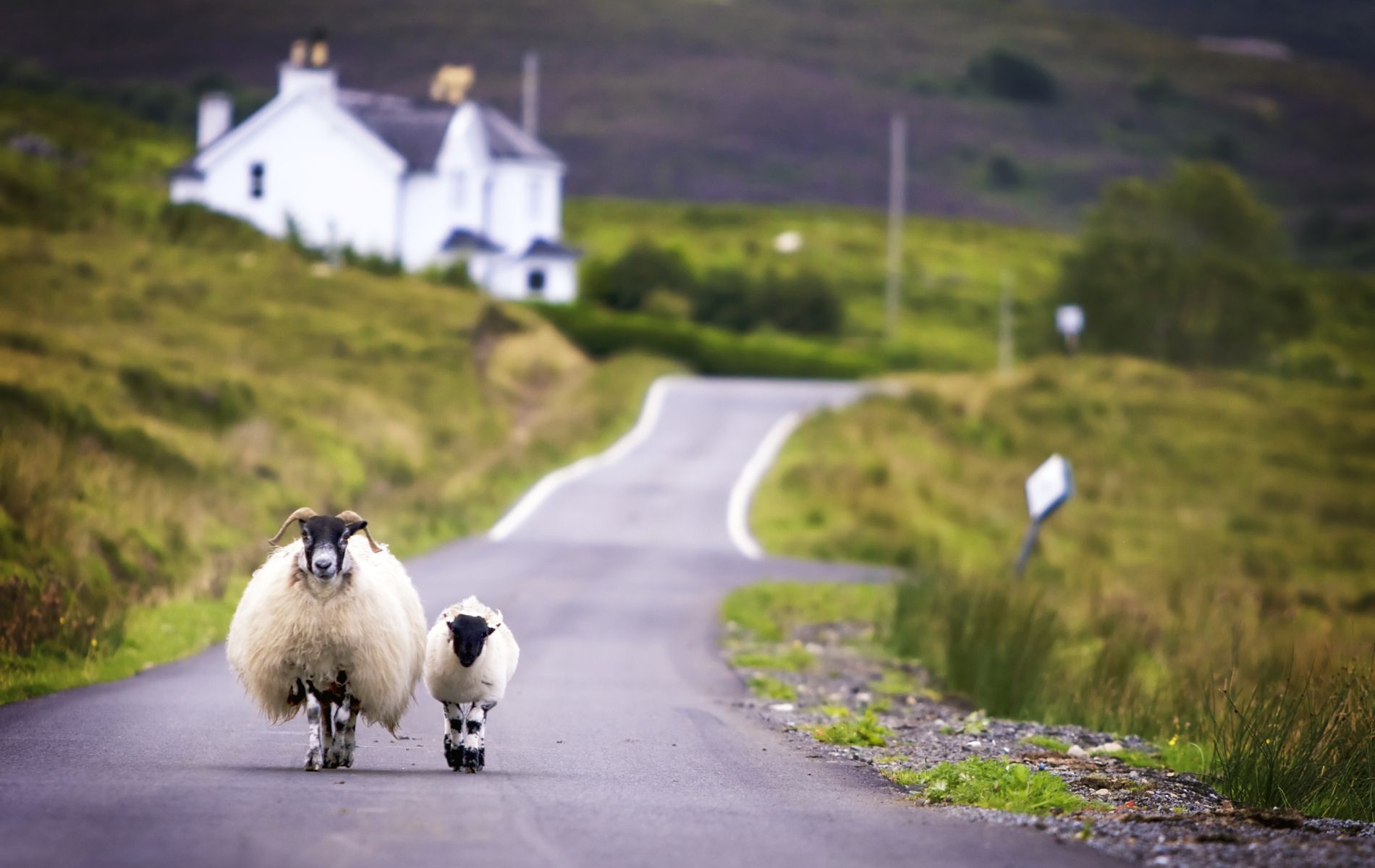
When I think of our heritage and our countryside, I picture swathes of heather stretching across open hill. I picture vibrant green arable fields with cattle and sheep grazing. I picture forestry filled with deer, foxes, pine martens and capercaillie, though the latter may soon become just a memory. Activities, such as deer stalking, fishing and game shooting are all such a huge part of what makes Scotland the envy of many countries throughout the world, and the money spent by countryfolk who come to experience these phenomenal activities quite literally keeps our rural sector afloat. Whilst this remains a crucial part of our economy, it is also part of our broader wildlife management plan to ensure that species that are less common or endangered are given the best chance possible of survival, or even an option to recover.
The control of predators, such as foxes, has been conducted for hundreds of years. They are opportunists and will travel great distances just to seek out an easy meal. Should a fox find its way into a chicken coop, instincts will take over and it will inevitably kill every chicken in there just for fun. The fox will then take two or three chickens and leave the rest for the owner to find the next morning. Foxes will take any free meal, including rabbits, chicks and eggs from ground nesting birds and are also drawn to areas that provide drive-through type newborn lambs in the Spring. They may take a lamb or two per night or even eat the back out of the Ewe following the birth, particularly if there have been complications during the birth and the Ewe is unwell.
For these reasons it is imperative that we have options open to us to enable us to protect our red-listed species and our livestock. Many foxes are successfully shot over the course of the year, but many cannot be owing to the inability to see into thick vegetation, or it may be unsafe to discharge a rifle in a particular area. In these scenarios, we need to be able to use dogs to flush the fox out of cover towards waiting guns so it can be dispatched quickly and humanely. Using more than two dogs (which is the current, maximum unlicenced number) can legitimately be utilised under licence in Scotland.
When the licensing process was enabled in 2023, animal rights extremists celebrated and boasted publicly. They had won and had managed to get a crucial and key method of controlling foxes severely restricted. They were ecstatic about this because they have a completely bias and unrealistic view of what actually happens when predators, such as foxes, are controlled humanely. Less than two years later, these same extremists are campaigning for change after already getting precisely what they asked for in 2023. Their lack of understanding of what happens when controlling foxes on the ground often transitions into spurious allegations, anti-social behaviour, harassment and violent crime against practitioners. They regularly disrupt licenced activities that have been approved by The Scottish Government’s wildlife authority NatureScot and are more often the ones breaking the law than those undertaking vital and perfectly legal predator control on the ground. It is acknowledged, though, that an extremely small minority of practitioners have crossed legal boundaries, and have quite rightly been prosecuted, but rarely are prosecutions brought against these disruptive protesters, and the ones to suffer are those trying to make a difference by tirelessly protecting our vulnerable species.
One of these extreme organisations recently released a report that was almost entirely based on opinion rather than evidence. In the report it named several practitioner groups and went on to describe how they were acting illegally. In most cases, no official reporting was recorded, no police involvement requested, and there was no evidence published in the report to support the claims. The extent was such that a number of practitioners are now seeking legal advice to put an end to the spreading of misinformation and the disruption of a service that is paramount to the survival of livestock and species at risk of extinction in Scotland. All the activities that are under fire are conducted under licence, which is extremely difficult to achieve. Many have Inspectors from The Scottish Government in attendance to ensure compliance and all must report back to the Scottish Government on activities undertaken. If the law is broken at any point, a loss of licence and likely prosecution would follow, so it is extremely unlikely that those with licences would stray outside of the bounds set by NatureScot.
Some organisations are just against any kind of wildlife management full stop. These organisations often abuse their connections in certain political parties, and have foundation-free amendments put forward by sympathetic MSP’s and Ministers when new legislation is being created. Our rural sector, which has stewardship of our land and the wildlife in it, presents evidence-based and sustainable proposals, yet it is often opinion that is accepted over science in parliament. There is little wonder why our biodiversity is decreasing and that some of our iconic species are dying out. In future, give a little thought as to whether you do pop your spare change into that “animal welfare” collection box that’s rattled under your nose at the entrance to the supermarket. A little due diligence as to how your money is spent may just be an eye opener.

 15 July, 2025