At the time of writing, we await a UK government consultation on the legislation surrounding shotguns, which could be absolutely devastating. A shotgun with limited capacity (able to hold no more than 3 cartridges) is classed as a section 2 firearm under the Firearms Act 1968, a UK-wide piece of legislation. This differs from a section 1 firearm, largely rifles and handguns. The different types of guns have been legislated for separately for decades, and rightly so.
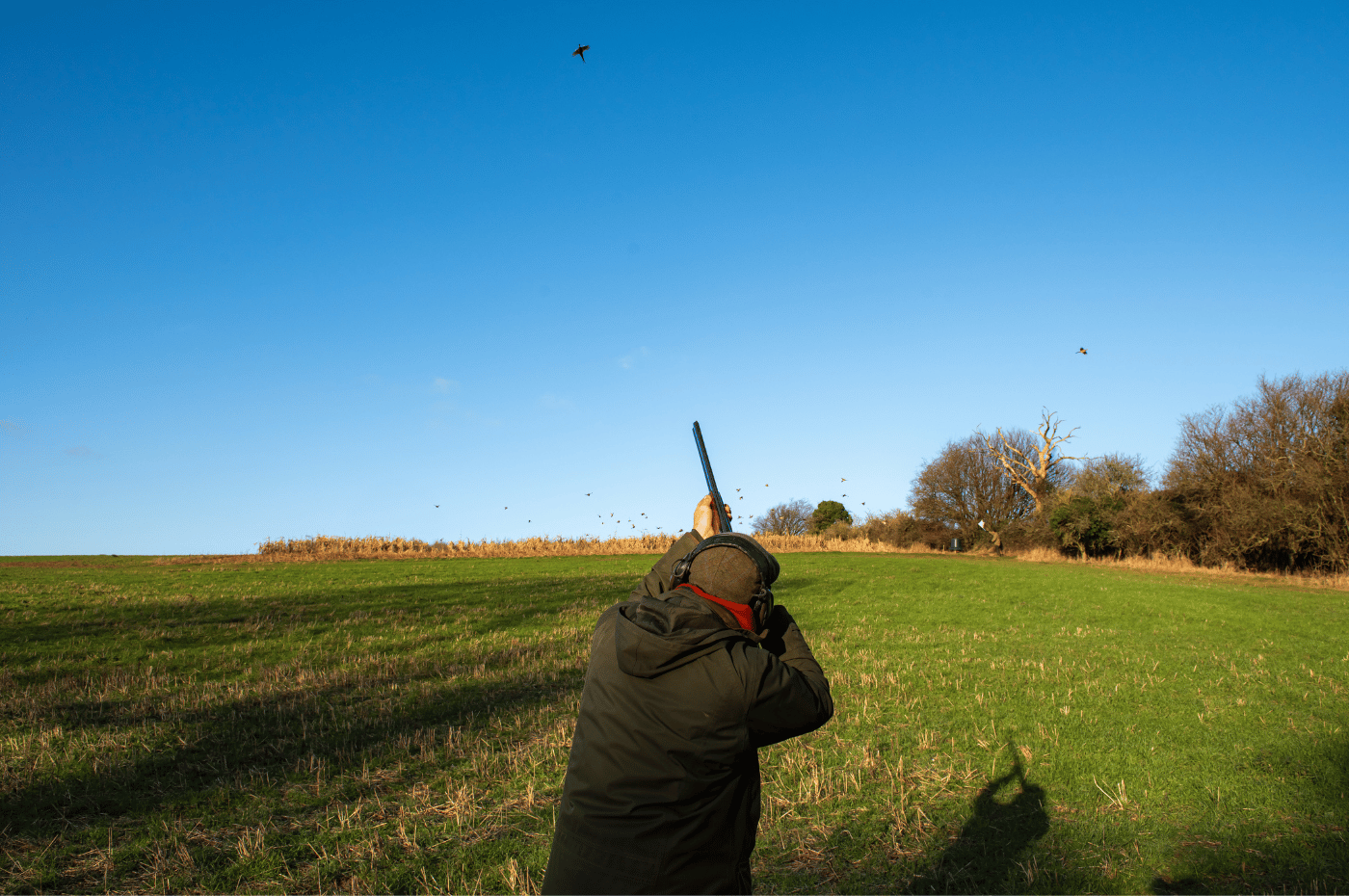
A shotgun has a fallout zone or reach of 275m (300yds) and propels a number of small pellets to enable the shooting of birds or even ground game, such as rabbits or foxes. It is very much a close-range implement and is the main tool used by farmers and conservationists to control populations of pigeons, corvids and other species that may have a detrimental impact on crops or red-listed species. Shotguns are also widely used for sporting purposes, such as clay pigeon shooting and game shooting, which brings in a whopping £340 million pounds to our local economy. The knock-on benefits to rural Scotland overall are thought to be somewhere around the £780 million mark, and so makes up a significant proportion of the income Scotland needs to ensure job security and to prevent rural depopulation.
A rifle, under section 1, is designed to accurately propel a single bullet long distances. Rifles are commonly used to shoot deer, feral pigs (wild boar) and other larger species. Smaller calibre rifles can be used for the likes of rabbits, rats and foxes.
To obtain a licence for any firearm you must furnish your local Police Force with a great deal of information on an extensive application form. Checks into your criminal history (if you have one), as well as your medical history will be undertaken. This ensures that any formal action taken against you, or any concerning diagnosis or medication issued is highlighted and considered. Two referees of good character must vouch for you and your home security, and gun storage arrangements will be inspected.
The significant legislative differences between rifles and shotguns lie in what you are permitted to do with them. Rifles are more rigidly legislated for and, although it is not specifically a legal requirement, their operating component parts tend to be stored securely away from the main body of the rifle. The bolt that feeds the ammunition into the chamber, which houses the pin that strikes the bullet primer, plus the ammunition, is generally stored in a separate safe to the rifle itself. If one is stolen or lost, then the rifle or component part cannot be used without the other.
You are able to loan a shotgun to another shotgun certificate holder for a maximum of 72 hours, but you are not permitted to loan a rifle in the same way. You do not need to apply to acquire an individual shotgun once you have a licence, but each rifle you take possession of has to be authorised by your licensing police force.
You may hold a shotgun certificate at the age of 8, but there are rules in place surrounding use, storage and ownership to ensure safe operation and storage. To buy a rifle you must be at least 18 years old, but you may be granted a firearm certificate at 14 years of age and then borrow a rifle under adult supervision.
A rifle can have certain conditions attached to the licence. These can include what you are legally allowed to shoot, where you shoot or where you store your gun. A shotgun certificate cannot currently be conditioned. You may only possess an agreed number of bullets (often 100 for recreational stalkers) but can possess a much larger quantity of shotgun cartridges owing to the nature of how they are used and the rate at which they are used. A stalker may go out to shoot deer and not shoot a single bullet in a day, whereby a clay shooter might shoot up to 500 cartridges in a day during a competition or practice session. Cartridges may be stored outside of a safe, yet bullets have to be locked away. Every bullet that is found not to be locked away securely constitutes a separate criminal offence. Securely storing so many shotgun cartridges would be virtually impossible for most shooters.
In short, shotguns are extremely valuable tools for farmers, gamekeepers and land managers to use to promote biodiversity, to protect livestock and to protect crops. They enable and promote good mental health for clay and sporting shooters, not to mention the financial benefits they bring directly into struggling rural economies in Winter months. They have been in everyday use in our countryside for hundreds of years in one form or another. To align firearm legislation so that shotguns are effectively classed as a section 1 firearm is ludicrous. There is no evidence to suggest that it will have any effect on public safety and the only certainty is that it will make them much harder to get so fewer people apply. The knock-on effect will be felt when we see fewer endangered species, more lambs taken and rural businesses driven to close.
The consultation when published will be widely publicised and our ask is that as many of you fill it in as is possible. You will find more information on the Countryside Alliance website where you can sign up to our Campaign for Shooting newsletter. This is a direct attack on our rural way of life and your response really will matter.
First published in Farming Scotland Magazine, January 2026.

 16 January, 2026