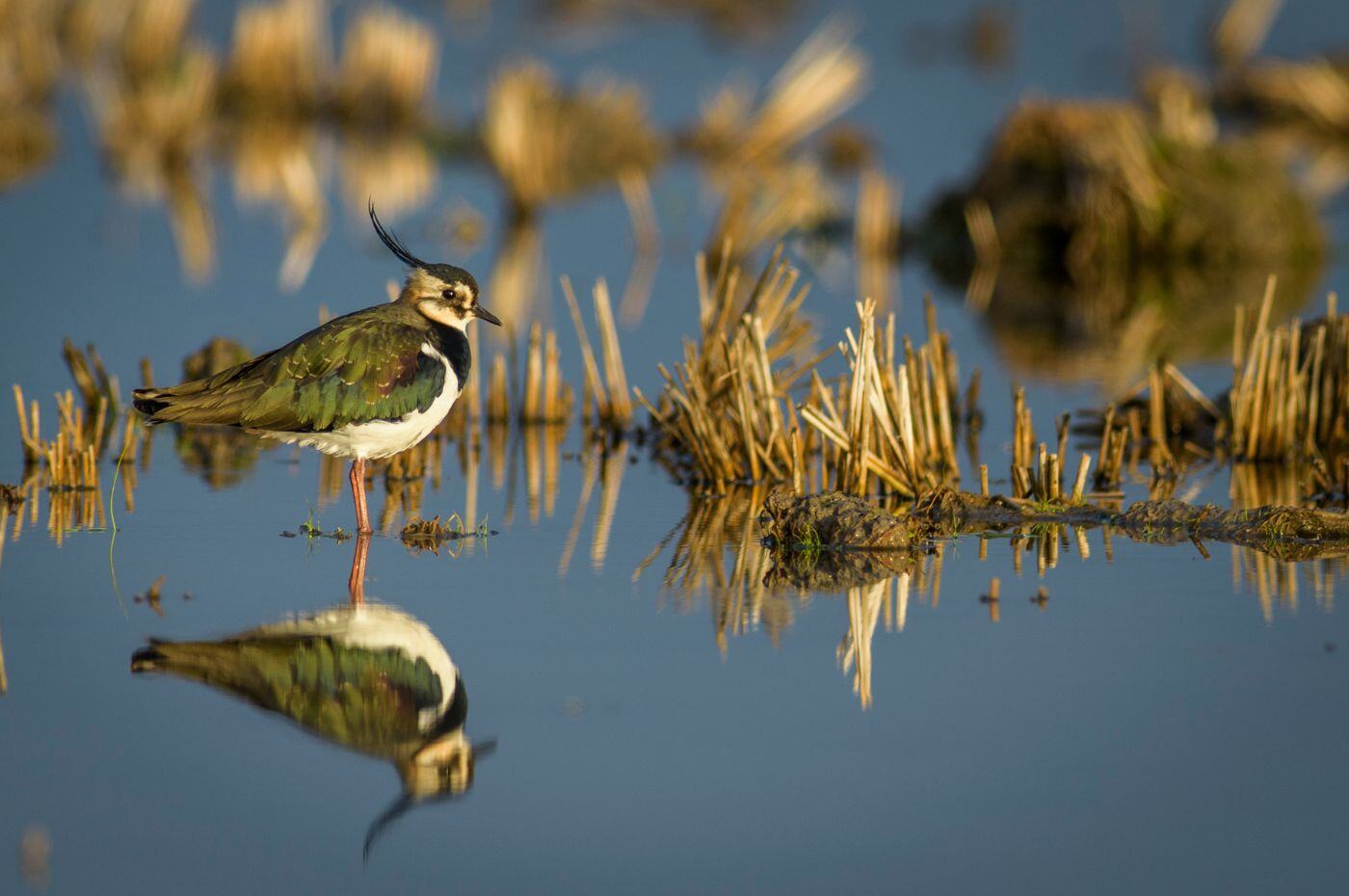
As new data released on World Wetlands Day highlight the dramatic changes facing wetland birds in Ireland and beyond, it’s vital to recognise not just the challenges but the community-driven solutions that are making a difference. According to recent reports, wetland birds have suffered significant declines over the past three decades, with wetland-dependent species among the most affected by habitat loss, climate change, and other environmental pressures.
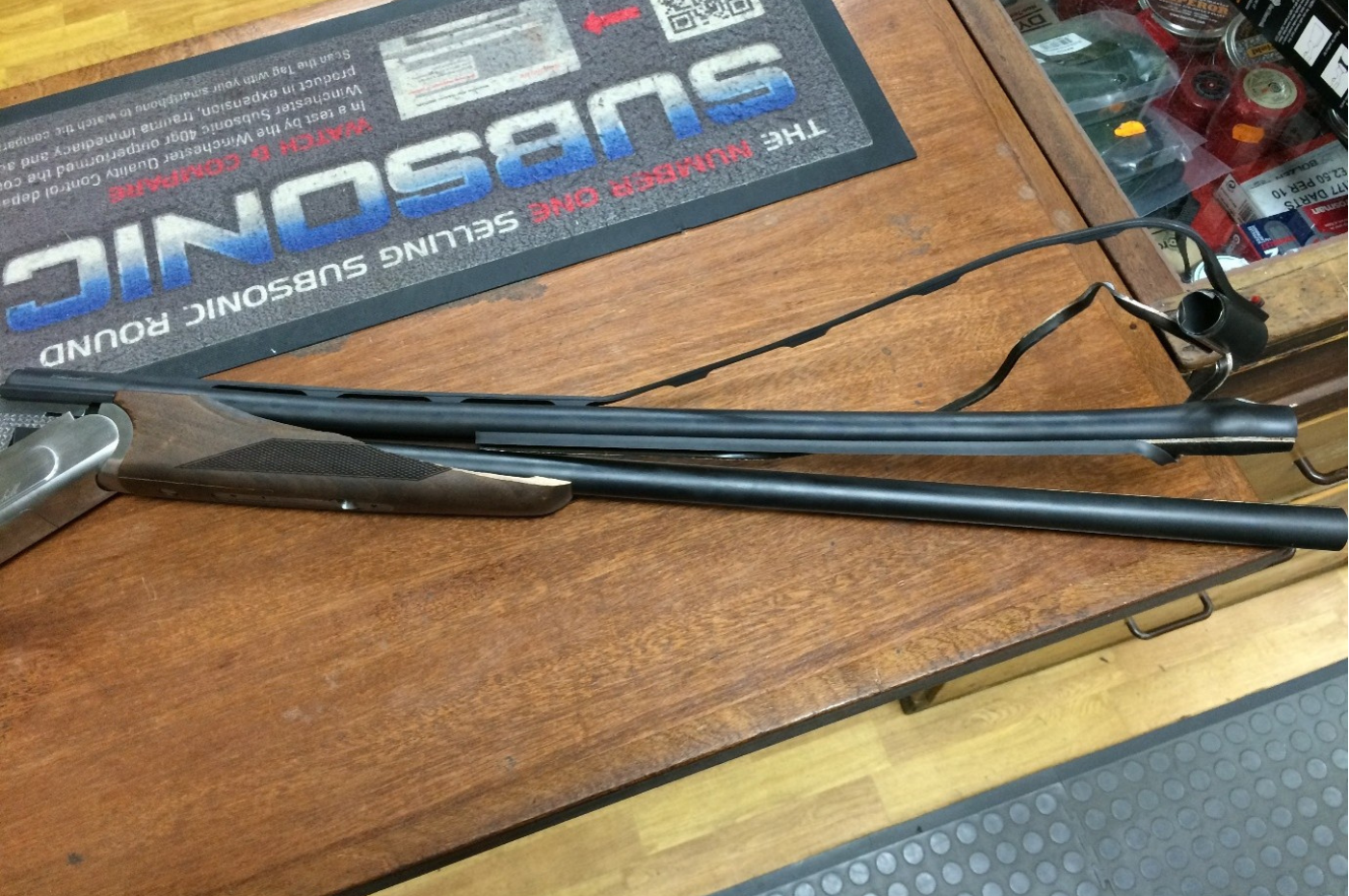
But amid these worrying trends, the role of wildfowlers, many of whom are conservation champions on the ground, deserves celebration. Far from being passive observers, today’s responsible wildfowlers are deeply involved in restoring and safeguarding the very habitats that waterbirds depend on.
Why wetland habitats matter and why they're changing
Wetlands are among the planet’s richest and most important ecosystems. Although they cover only a small fraction of the Earth’s surface, they support around 40% of all bird species, providing essential breeding, feeding and resting areas for wildfowl and waders throughout the year and along migration routes. When these habitats are drained, developed or degraded, the impact on bird populations can be immediate and severe, making wetland loss one of the primary drivers of long-term declines.
At the same time, climate change is reshaping how birds use these landscapes. Milder winters across parts of northern and eastern Europe mean many waterbirds, including ducks and geese, no longer need to travel as far south to find ice-free water and reliable food supplies. This behaviour, known as short-stopping, allows birds to conserve energy by wintering closer to their breeding grounds.
As a result, population trends are shifting across the continent. Some countries with suitable wetland habitat and increasingly mild winters are now seeing higher mid-winter bird numbers. Monitoring data show that species such as goldeneye, tufted duck and goosander have increased in countries like Finland and Sweden, even as numbers decline further south. These changes highlight the complex effects of climate change on migration, creating gains in some regions while masking broader pressures on wetland birds overall.
Wildfowlers in action: habitat restoration on the ground
Across the UK and Ireland, wildfowling groups and allied conservation organisations are taking real action:
-
Wetland creation and enhancement: Partnerships involving local wildfowlers have supported the restoration of wetland ponds, scrapes and drains, shallow water features that are valuable feeding and breeding areas for ducks, waders and other waterbirds.
-
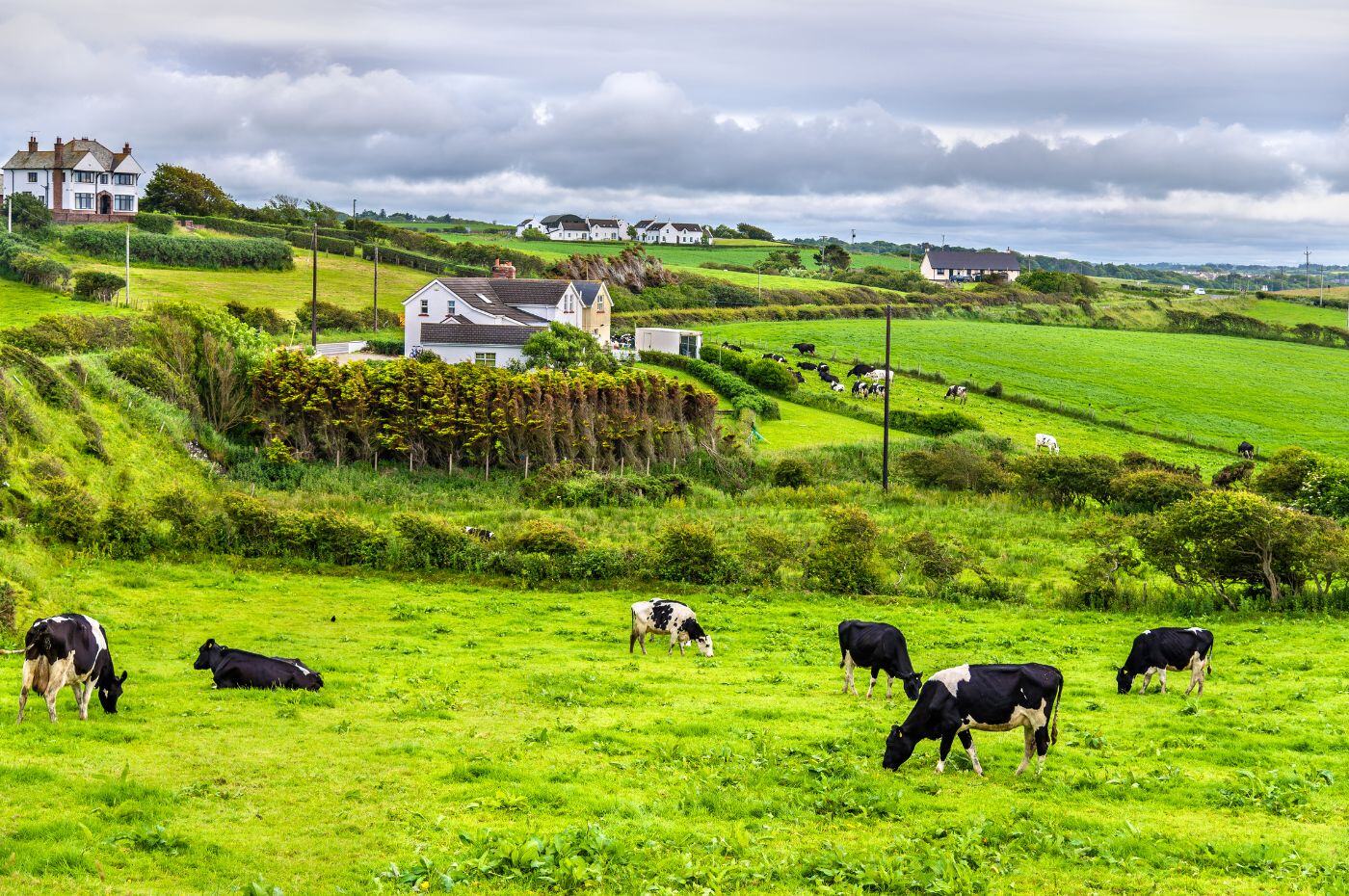
Grassland and grazing marsh management: Through targeted habitat work, wildfowlers help maintain wet grasslands that provide food and shelter for wildfowl and breeding waders, contributing to biodiversity beyond game species.
-
Collaboration with conservation bodies: Wildfowl clubs have worked jointly with organisations such as the Wildlife Trusts and RSPB to protect key wetland landscapes and wildlife-rich waterways, including longstanding efforts by groups such as Traad Wildfowlers and other collective wildfowlers making duck nesting tubes and placing them on the shores of Lough Neagh, along with habitat management to benefit amphibians, insects and other waterbirds alike.
These efforts are not hobbyist tinkering, but ecologically informed practices that improve water quality, expand wetland habitat connectivity, and give vulnerable species places to breed and thrive.
Supporting species through breeding programmes
Beyond habitat work, responsible wildfowlers and affiliated trusts also contribute to species-specific conservation and breeding initiatives:
-
Breeding programmes and reintroduction efforts for species like the curlew, where captive-rearing helps boost wild populations before release into restored habitat.
-
Broader programmes, such as those aiding globally threatened ducks like the Baer’s pochard, combine habitat restoration with international monitoring and community involvement, creating a template for shared conservation success.
These programmes illustrate how active human stewardship can reverse decline, and they highlight a conservation model that blends hunting heritage with modern ecological science.
Why this work matters now
Reports on wetland birds make clear that declines are real, and that data-driven action is urgently needed to safeguard biodiversity. The Irish Wetland Bird Survey, for example, shows a significant drop in wintering waterbirds over the last 30 years, underscoring the need to protect and restore wetland sites.
In this context, the work of wildfowlers and conservation partners is essential. Their efforts:
-
Enhance habitat quality in places that would otherwise be degraded or lost
-
Support breeding success for both game and non-game species
-
Mobilise local volunteers and landowners to take positive action every season
-
Demonstrate how traditional land-use practices can align with modern conservation goals
Today’s wildfowlers are not simply participants in a sport, they are active custodians of wetlands, working in partnership with scientists, volunteers and land managers to protect some of the most valuable ecosystems on the planet.
By promoting habitat restoration, engaging in breeding programmes and championing the needs of waterbirds, they help ensure that the chorus of wildfowling wings continues to be a part of our seasonal landscapes for generations to come.

 02 February, 2026