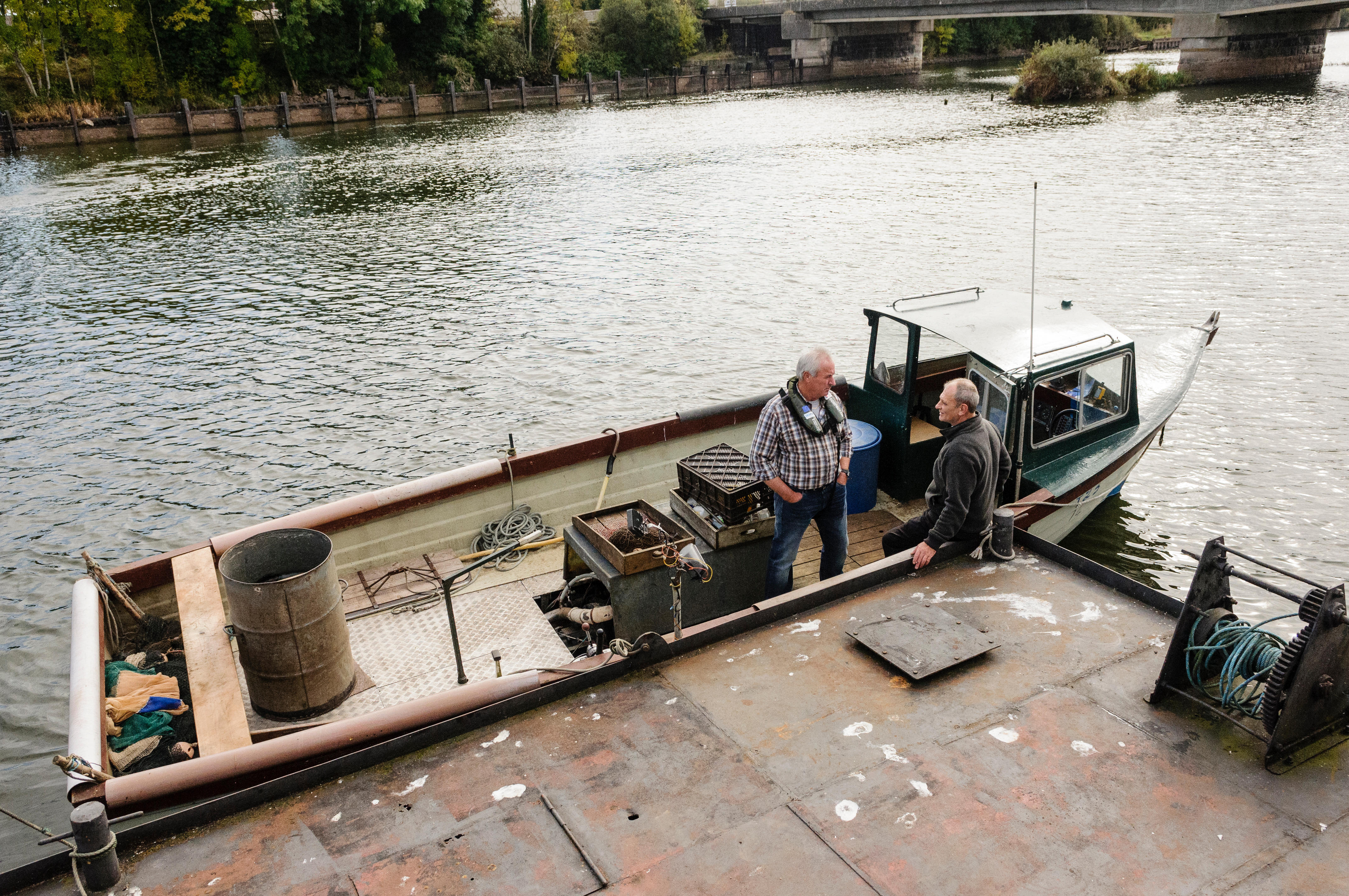
Lough Neagh, Northern Ireland: As the ecological crisis around Lough Neagh’s blue-green algal blooms deepens, Countryside Alliance Ireland (CAI) has issued a trenchant critique of the Department of Agriculture, Environment and Rural Affairs (DAERA) and Stormont’s broader response, particularly the recent financial support package and ministerial rhetoric that suggest fishers will have to adapt to a new, and potentially diminished, way of life.
DAERA Minister Andrew Muir announced a £100,000 support package for Lough Neagh brown eel fishers, intended to offset some of the losses caused by this year’s suspension of the eel season. Payments will amount to only 50% of income foregone in 2024 and apply only to licensed boats that meet minimal landing thresholds, leaving many smaller traditional fishers out in the cold.
Algae problem could be ‘harvested’, not solved
Adding to the industry’s frustration, scientists and industry contacts report that DAERA-backed initiatives are focused not on removing toxic cyanobacterial blooms, but on harvesting the blue-green algae itself to extract valuable compounds such as phycocyanin for use in food colouring and skincare products.
This development has been interpreted by many fishers as confirmation that there is no imminent plan to clear the algae from the lough, even though these algal mats actively degrade water quality and have been implicated in shortening or cancelling eel fishing seasons in recent years. According to public health data, blooms have been returning for successive seasons and previously cut the 2024 season short on health and safety grounds.
CAI representatives say this sends a worrying signal: rather than tackling the root of the problem – excessive nutrient pollution and degraded water quality – government-funded interests are pivoting to monetising the algae while leaving fishers to contend with a lake that remains unsafe or unsuitable for normal fishing operations.
Minister’s comments missing the mark
Minister Muir has said the financial support should allow the sector “to consider how it will adapt” and to “identify new markets and introduce measures to improve the management of eel stocks.” But for CAI, that message fails to confront the scale of the ecological and economic threat.
Gary McCartney, Director of Countryside Alliance Ireland, said:
“Suggesting that fishers should use this time to find new markets is a cliché without a plan. They’re asking an industry already forced off the water to reinvent itself while the very waters they depend on continue to be blighted by algal blooms that aren’t being removed.”
Fishers fear that without genuine action to control or eliminate blue-green algae, whose blooms deplete oxygen, produce harmful toxins and render water unsafe for commercial operations, the 2026 eel fishing season may open late, in a limited way, or not at all. The irony is stark: while DAERA explores ways to extract value from the algae, eel nets hang idle and fishers’ livelihoods deteriorate.
The uncertainty facing the Lough Neagh eel fishery is not just economic but cultural. For generations, brown eel fishing has been central to the identity and economy of communities around the lough. Councils and civic leaders have highlighted the crisis’s scale and called for cross-border cooperation, but meaningful relief remains elusive.
CAI’s statement calls on DAERA and the Northern Ireland Executive to:
- Reassess the current relief package to better reflect the true costs borne by fishers and extend support to all affected operators.
- Prioritise meaningful, practical action to reduce nutrient pollution and deploy ecological solutions at scale, rather than pivoting to commercial algae extraction without environmental benefit.
- Develop a credible timeline and criteria for when fishers can expect the eel season to reopen safely.
Gary McCartney, Director of Countryside Alliance Ireland, added:
“The future of the Lough Neagh eel fishery is hanging by a thread. We need leadership that recognises this is an ecological crisis and a rural livelihoods crisis, not an opportunity to turn toxic blooms into cosmetics.”

 19 December, 2025