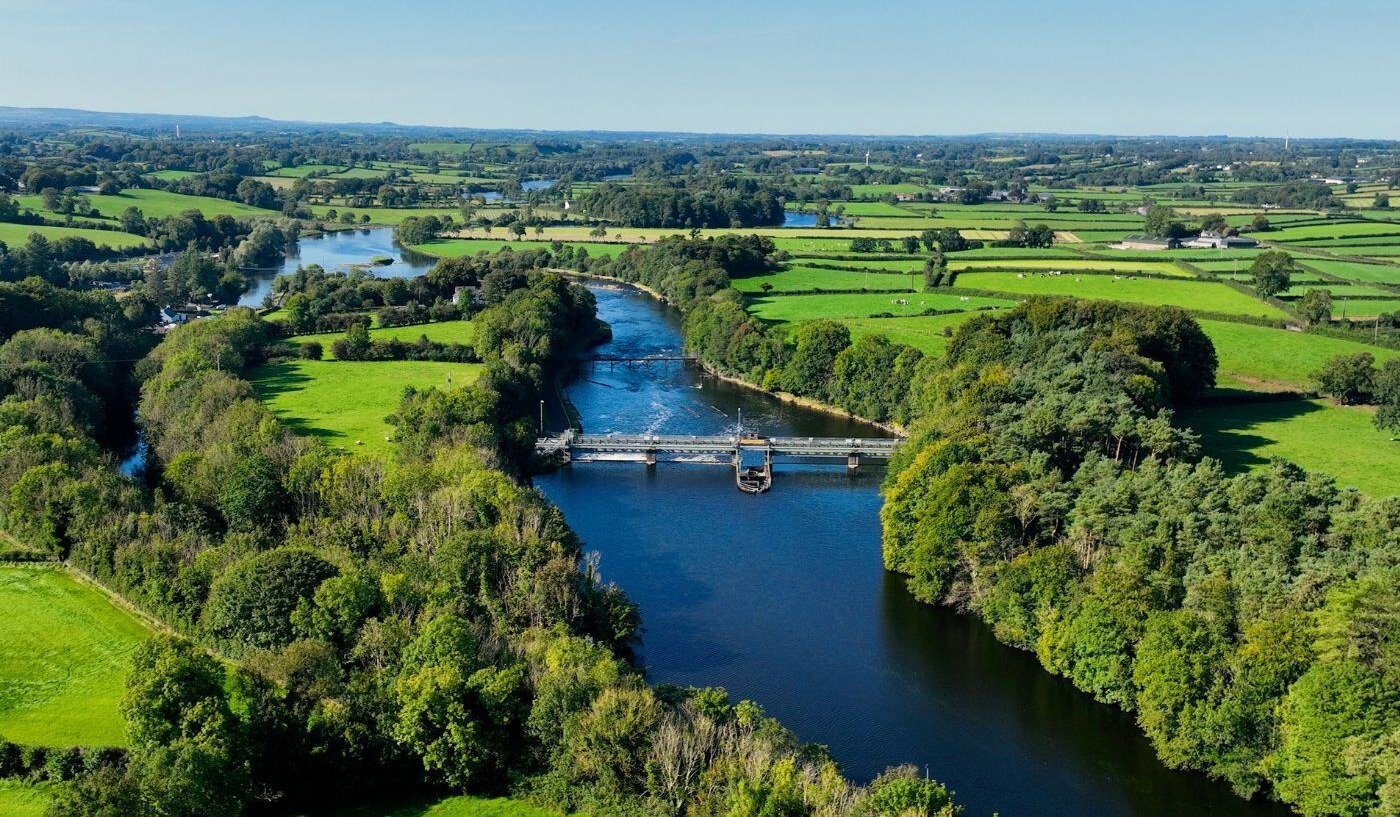
The Food Standards Agency (FSA) has confirmed that fish commercially harvested from Lough Neagh remain safe to eat following its latest round of testing for toxins linked to the ongoing blue-green algae blooms that first appeared in summer 2023.
The FSA’s monitoring programme has detected low levels of toxins in some species, including bream, trout, perch, pollan and eel – but these remain well below the thresholds of concern set by the World Health Organisation. Importantly, while toxins were found in both the viscera (gut and liver) and, for the first time, in the flesh of some fish, the levels in edible flesh were not deemed a health risk.
Key advice from the FSA remains unchanged:
-
Commercially caught fish from the lough are safe to eat.
-
Recreational anglers should gut fish properly, discard internal organs where toxins are most concentrated, and rinse fillets in clean water before cooking or freezing.
-
Anglers should not fish in areas of visible algal bloom and should avoid keeping or consuming any fish showing abnormal behaviour, or those found dead or dying.
Professor Robin May, Chief Scientific Advisor to the FSA, stressed:
“Our toxicologists have confirmed that fish remain safe to eat. We will continue sampling this year and next, and our advice will be updated if evidence changes.”
Hot Summer exacerbates the problem
This summer has been confirmed as the hottest on record in Northern Ireland, with prolonged periods of high temperatures helping to fuel algal growth. Warm, nutrient-rich waters provide the perfect conditions for cyanobacteria to thrive, making the blooms more intense and persistent. This raises ongoing concerns about the long-term ecological health of the lough and the risks for those who rely on it.
Impact on eel fishermen
The algal blooms have also had a devastating effect on Lough Neagh’s historic eel fishery. Eels are particularly vulnerable to changes in water quality, and concerns over the health of the stock have forced the early closure of the 2025 season. For the fishermen who depend on this traditional livelihood, this represents both an economic and cultural blow, compounding the wider damage caused by the ongoing environmental crisis on the lough.
Wider concerns for countryside users
While reassurance has been given on fish destined for the table, the detection of toxins raises wider issues for those who live, work, and spend time around Lough Neagh.
- Wildfowl: If toxins are present in fish, it is highly likely they are also accumulating in wildfowl feeding on the lough or other waterbodies with blue-green algae. This poses potential risks for game consumption and raises questions about long-term impacts on bird health and populations.
- Working Dogs: Many gundogs and family pets enter the lough to retrieve wildfowl. Contact with contaminated water, or ingestion while swimming, can expose dogs to dangerous levels of cyanotoxins. Reports from other parts of the UK and Ireland show dogs can become seriously ill or die after contact with algal blooms.
Call for ongoing vigilance
The Countryside Alliance Ireland urges government agencies and local authorities in Northern Ireland to ensure transparent, regular testing not only of fish, but also of wildfowl and water quality to better inform those who rely on the lough for work and recreation.
Countryside users – from commercial fishermen to wildfowlers, anglers, and dog owners – all need clear, practical guidance to safeguard both public health and the rural way of life around Lough Neagh.

 10 September, 2025