The Guga Hunt is something that many readers may not be familiar with – I certainly wasn’t until recently.
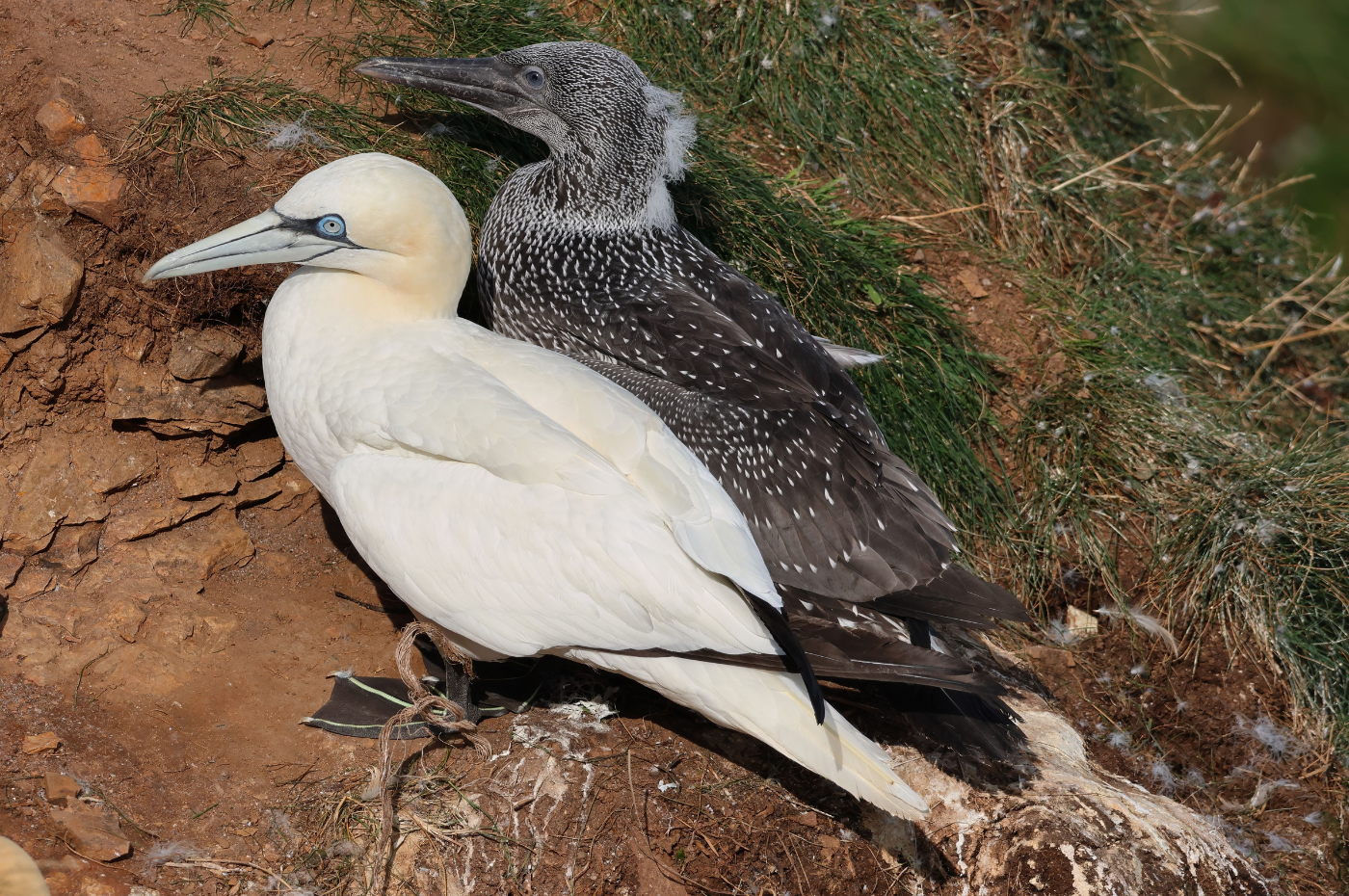
This centuries-old tradition in Ness, North Lewis, sees a team set out for a fortnight to the rocky isle of Sula Sgeir, forty miles north of Ness. Their aim? To hunt young gannets, locally known as guga.
The Ness Guga Hunt is the last of its kind, though the activity used to be more widespread.
The team, known as the Men of Ness, cull the young gannets from the open cliffs using a pole and loop, and then pluck, draw, salt, and preserve them in brine on the spot. The guga hunters spend their nights resting in rough drystone huts.
The Guga Hunt is particularly interesting because it represents a wonderful example of how things can be done well.
Here, a rural community is responsibly culling animals and using their meat, putting money into their local economy and preserving their cultural heritage.
The meat, traditionally an essential part of the Ness winter diet, is now considered a delicacy, and a brace of guga is sold for a considerable amount on the quayside when the Men of Ness return. It is said to taste like a cross between kipper and steak.
None of this would happen without the Men of Ness working hand in hand with a governmental body - one that uses scientific evidence to make informed decisions on the licences they issue.
The taking of gannets was outlawed in 1954, but NatureScot issues a special licence to the Guga hunt, which allows a specified number of birds to be hunted for food, rather than sport.
The licence has, this year, been granted for the first time since 2021. Concerns due to avian flu meant that for the last three years, the Men of Ness voluntarily did not submit licence applications.
The licence’s 500 bird limit is a reduction from the 2,000 bird limit recently permitted by NatureScot. NatureScot’s statement clarified that this limit was based on scientific evidence (collected in 2024 post-bird flu) that shows that the gannet population on Sula Sgeir will remain viable with this limit.
Of course, there are some who oppose the guga hunt despite it being a legal activity that is clearly undertaken in a responsible manner.
After the Ness community organised the World Guga Eating Championship back in 2013 (in which contestants had to eat half a guga and a portion of potatoes – the winner being the quickest to finish), a North American campaigns organisation, Care2, started a petition calling for the guga hunt to be banned. More than 70,000 signed the petition. The Scottish SPCA has similarly called for a ban on several occasions.
This year too, though, opponents have spoken out. Chief Executive of OneKind, Jason Rose, stated that NatureScot had made a “poor decision” in granting the licence, and said that “the guga hunt is a grisly story from history that should be left in books or a museum”.
Thankfully, the guga hunt is alive and well despite such opposition. But the situation does demonstrate the need for responsible behaviour and the necessity of scientific evidence to inform governmental decisions.
When the law balances wildlife management and the needs of rural communities (whether that be for their local economy or the preservation of their cultural heritage) and governmental bodies use scientific evidence to inform their application of that legislation, everyone wins (except for the animal rights extremists, that is).
It is only by this cooperation between law, science, government and rural communities that important and intangible cultural heritage can be preserved.
The Countryside Alliance will continue its work to ensure that all these areas can cooperate, and conserve a countryside that works for all. We hope that the guga hunt will continue for many a year.

 28 August, 2025