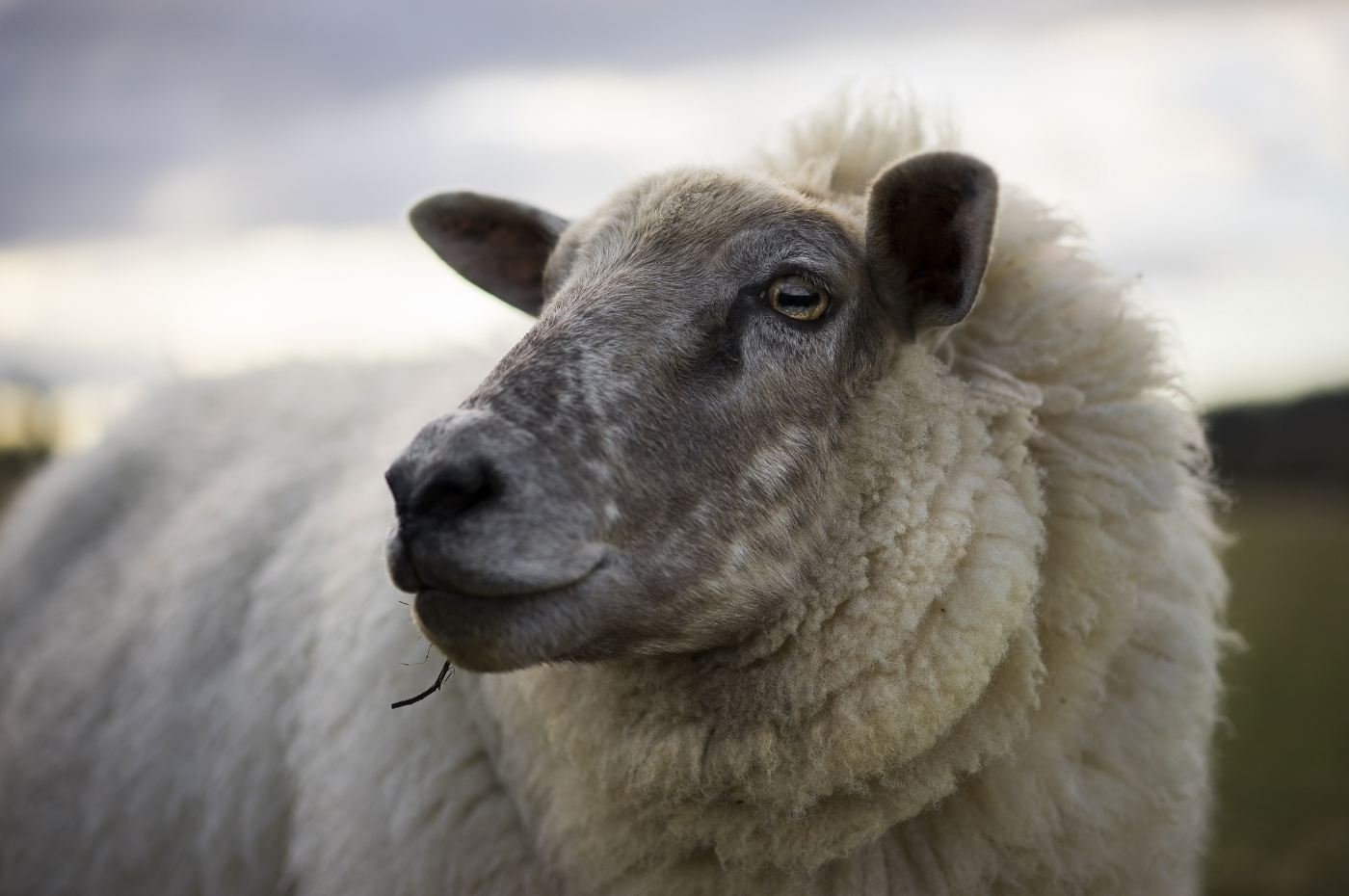
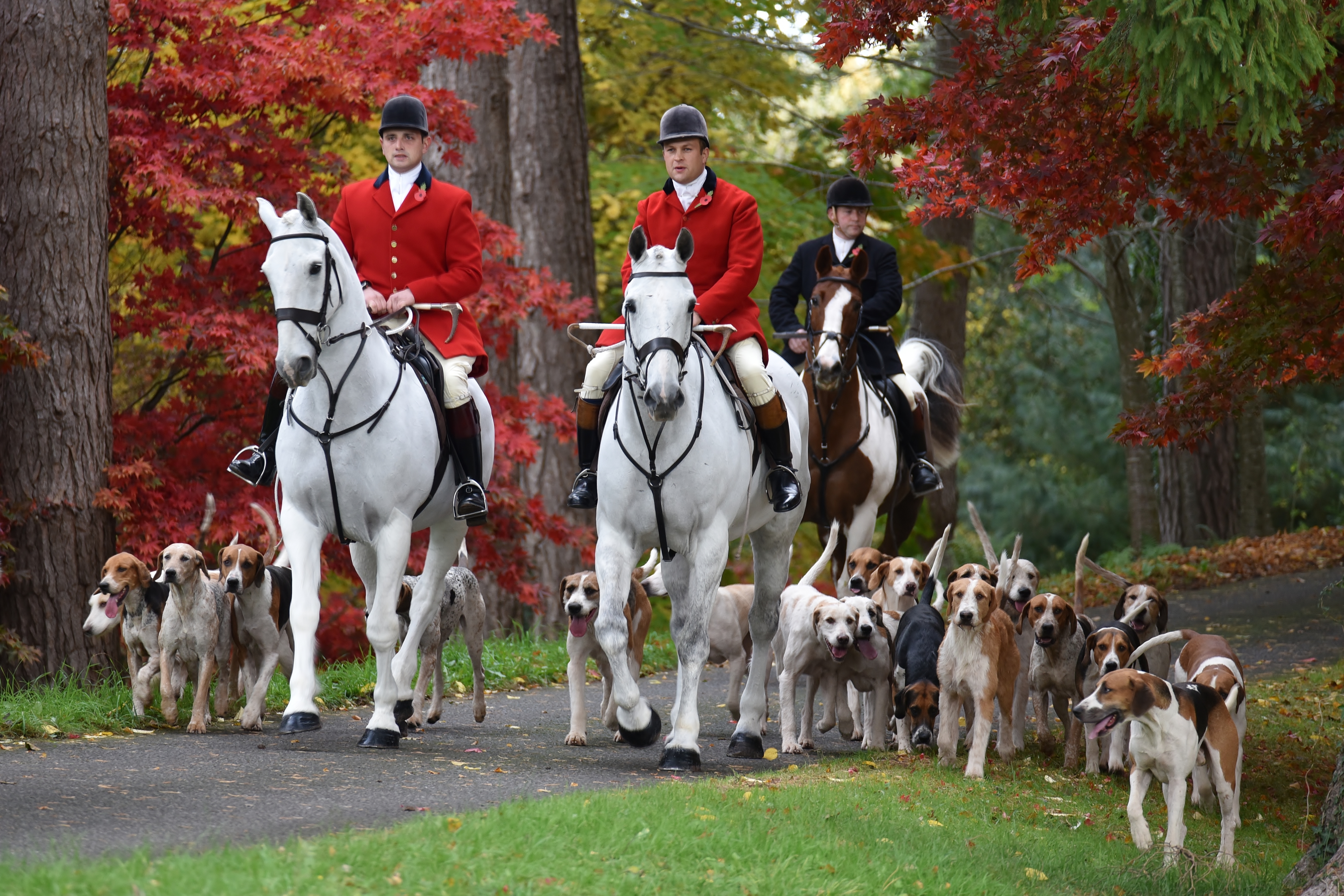
As the rest of the world carries on regardless there is a quiet catastrophe unfolding in large parts of the countryside, especially in the South West. The livestock disease Bluetongue is particularly dangerous for sheep and can result in high levels of mortality. Hunt kennels and other fallen stock operators in the West Country are dealing with unprecedented numbers of dead sheep and struggling to cope with demand.
The government has recorded 630 confirmed cases, but that number is likely to grow very rapidly as testing is currently taking more than two weeks for many farms. The disease is spread by midges, which have apparently thrived in this long, dry summer, which has also created a fodder crisis. Livestock farmers have had to feed hay and silage cut for the winter months in the absence of any summer grass.
There is a vaccine for Bluetongue, which many farmers in areas not previously affected by the disease are now deploying, but as outbreaks spread across the country there is real concern that the continuing warm weather will extend the midge season well into the winter. Bluetongue also causes infertility and a lasting consequence of this outbreak might be a rise in the number of empty ewes when lambing comes around next spring.
Those of us who lived through the foot and mouth outbreak of 2001 know exactly how this sort of mass livestock mortality impacts rural communities. Farming tends to be a lonely business at the best of times and when you add in the threat of a devastating disease and worries about feeding stock the pressure can be intense. Whilst it might seem a small thing, it is important for those affected that their situation is known and understood.
Farming Minister, Stephen Morgan, has visited a farm in an affected area of Cornwall and heard the National Farmers Union’s request for faster vaccine supply and testing, along with a fallen stock fund to cushion the costs of removing dead stock. As the disease spreads across the country, recognition from the government at the highest levels of the challenges so many farmers are facing - as well as a commitment to support them in every way possible - would go a long way. No one expects politicians to produce miracle cures, but a Department for Rural Affairs should be communicating the seriousness of the situation facing the farming community and doing everything it can to ease the load on affected farmers.

 27 August, 2026