The seasons change their manners slightly differently for each of us depending on geography, climate and personal inclinations, but the arrival of autumn is the climactic moment of the year even in our mostly post-rural society. Of course, things change. Our survival no longer depends entirely on whether the granary is full enough to get us through the winter and if there is enough fodder to keep our stock alive. Whilst prices in the supermarket are still linked to the success, or otherwise, of harvests, the impact of US foreign policy on diesel prices adds much more to the cost of a loaf of bread than low yields.
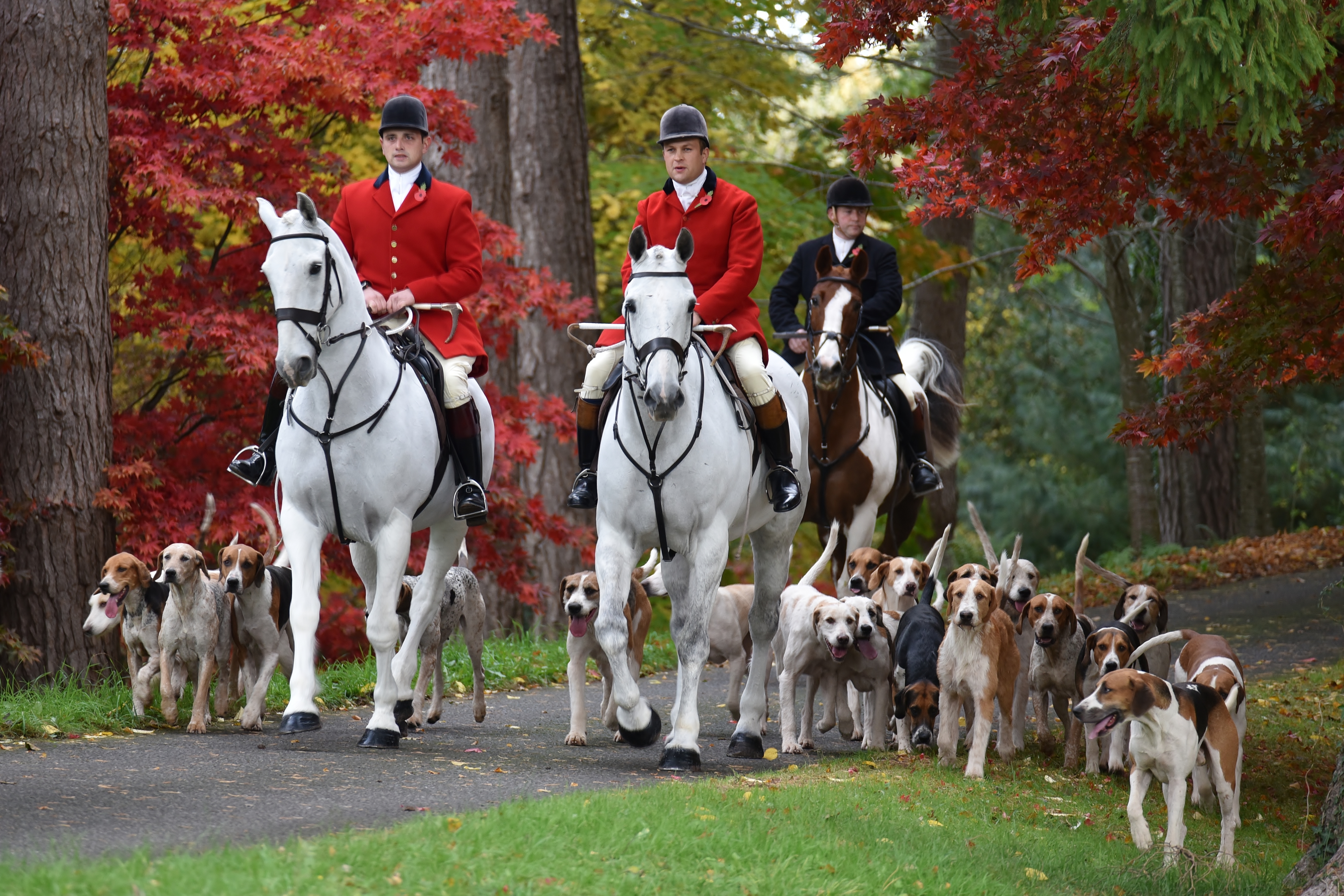
What the modern world has not fundamentally changed is the rhythm of rural life even if much of society is now insulated from it. The farming calendar still runs its course and the social and cultural events that have shaped rural life for centuries still persist, even in those parts of the countryside where our ever-growing population means that only a small minority recognise them. Agricultural shows, ploughing matches, opening meets, harvest festivals and a thousand other events mark out the rural year.
Meanwhile, the Alliance’s seasons change with the end of political party conferences. We held our last event at the Conservative conference in Birmingham this week, having steadily attended Labour, the Liberal Democrats and Reform since the beginning of September and thrown in our Campaign for the Countryside event in Westminster for good measure. Underlying all the current politically contentious rural issues that we have discussed over the past six weeks – from the future of farming to the trail hunting ban and restrictions on game shooting – lies the fundamental question about whether the culture of the countryside matters. Change is inevitable, but is the vision of politicians a country that erases that culture, or one that embraces it?
I remain optimistic (although some of you might think me naive) that, whatever their party, most politicians will say that they want to retain the culture of the countryside. If I am right, then our most important job is to ensure that the voice of rural communities is heard so that we are not forgotten in the rush towards modernity. That could not be more important than it is now when so many issues that are so fundamental to our rural way of life are facing political challenge.
Of course, we have to deal with every individual issue which crosses our desks which is why 90,000 of you responded to the consultation of trail hunting, why thousands of shoots and associated businesses are responding to Defra’s evidence review of game shooting, and why we are constantly scrutinising the political agenda at Westminster, Holyrood, the Senedd and Stormont.
We must not, however, take our eye off the bigger picture which is the whole point of the Campaign for the Countryside. If politicians want to retain the culture of the countryside, if they want growth in rural postcodes as well as urban ones, if they want to tackle hidden rural poverty and social isolation then they must think about the countryside too. That is why it is so important that you add your voice to the call for a rural reset.
Photo credit: Annie Ward

 08 October, 2026