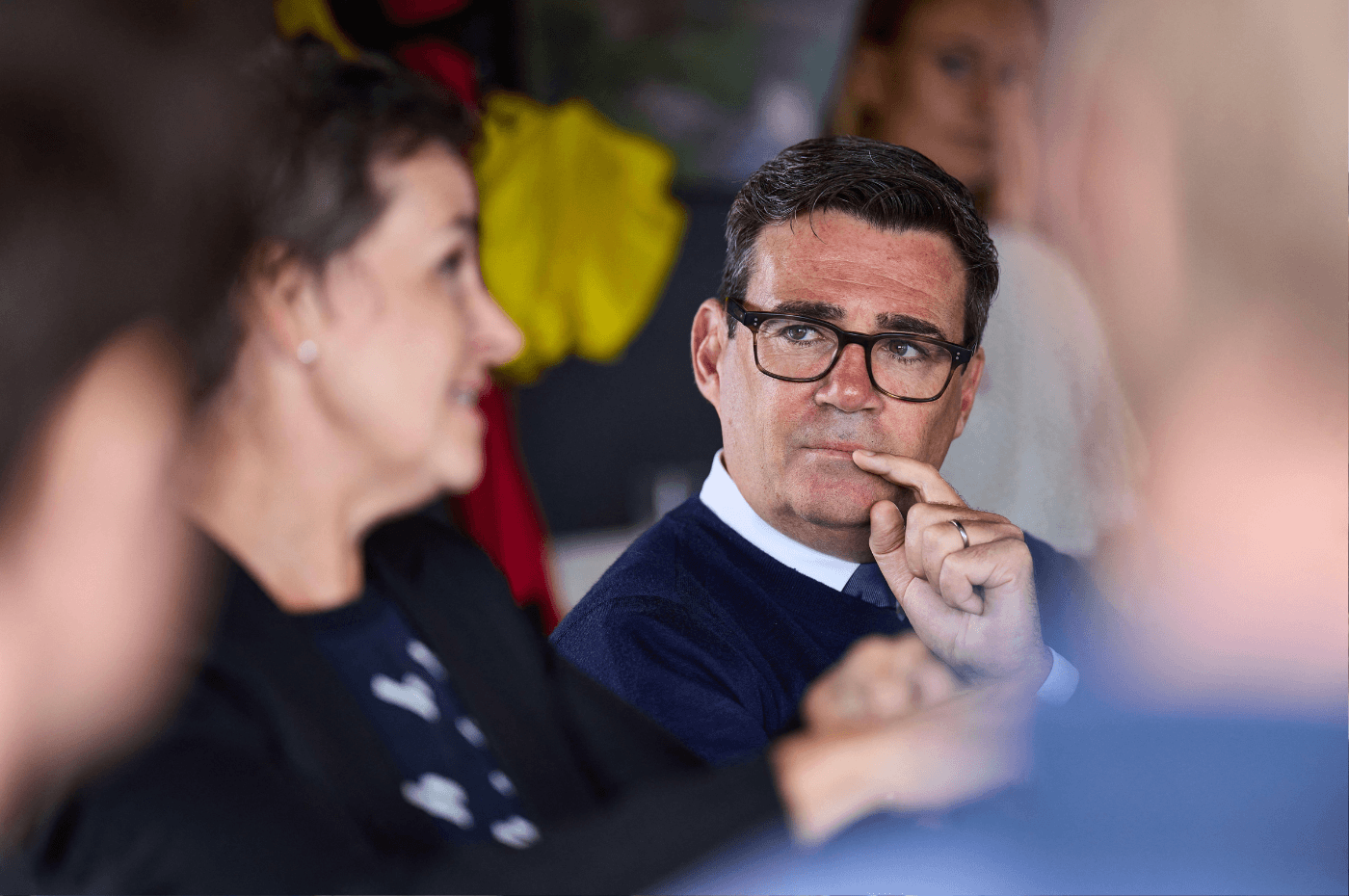
Andy Burnham now looks certain to become Prime Minister, probably within weeks, and will reshape the government to deliver his agenda. Who he appoints as Defra Secretary and in the department’s other ministerial roles will tell us a lot about the direction he intends to take the government’s policy on the countryside. Will he treat the role of Defra Secretary as a bauble to reward one of his political allies with a seat around the cabinet table, or does his commitment to devolution go beyond Manchester and other major cities to the millions of people who live in the countryside?
Much of the countryside voted Labour in 2024 and the party has well over a hundred MPs with at least a rural element in their constituency. Most of those were elected for the first time at that election and would not immediately have expected ministerial roles. Two years later, however, they have experience and given a government which has clearly underperformed many could, and arguably should, be considered for ministerial roles.
The current Secretary of State, Emma Reynolds, does have some farms in her constituency of Wycombe, which is mostly made up of the town of High Wycombe and surrounding commuter villages. The rest of her ministerial team, however, represent Coventry East, Portsmouth South and Kingston upon Hull West and Haltemprice, which are all completely urban. Labour holds rural seats from Northumberland to Cornwall, as well as in Wales and Scotland. It cannot be that none of the MPs representing those constituencies have the necessary skills and ability to serve in government. In fact, knowing many of them, it is obvious that they are more than capable.
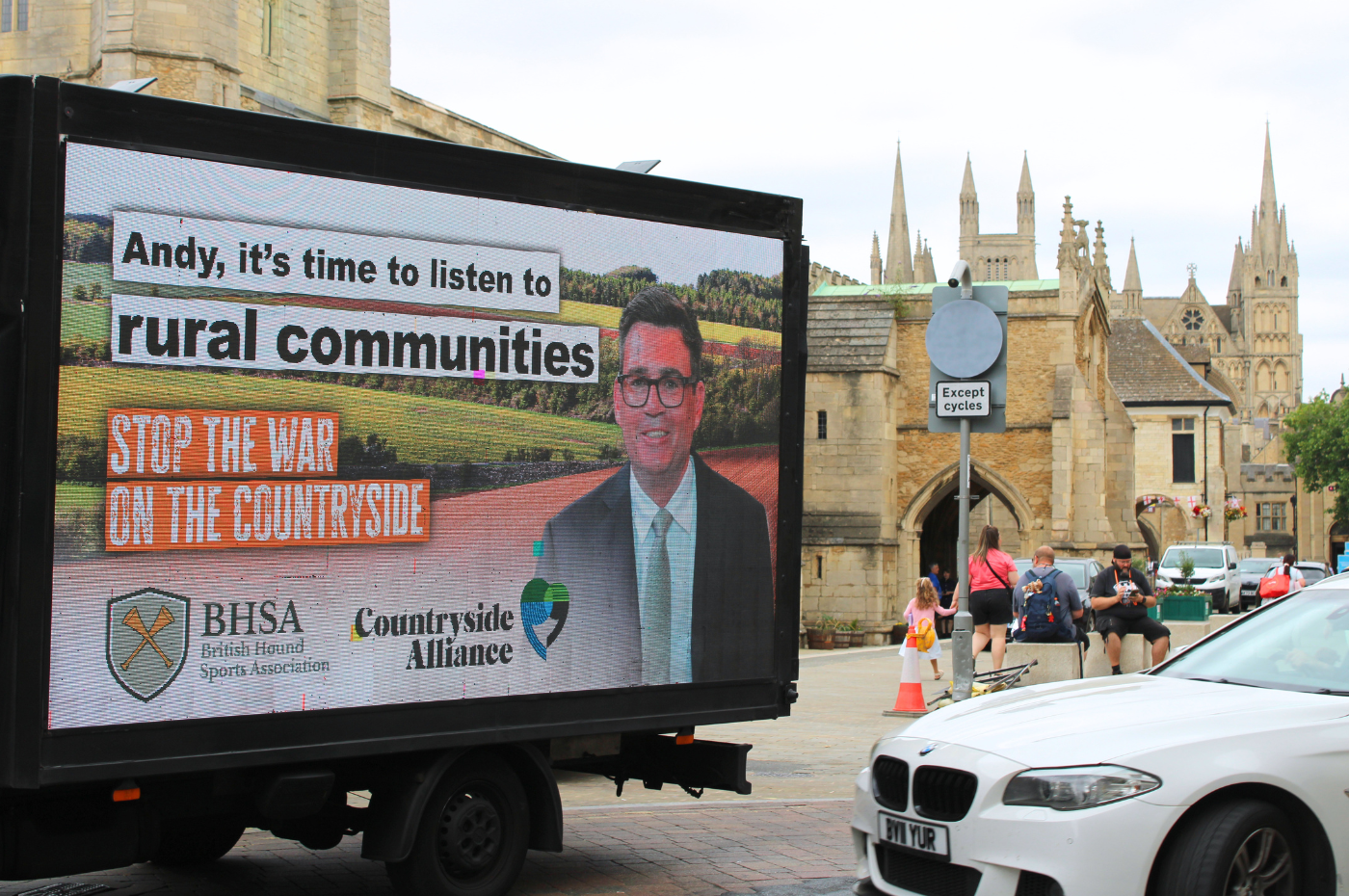
The appointments Andy Burnham makes to Defra will, therefore, go some way towards telling us whether he is going to try to reset the government’s relationship with the countryside after the disastrous mishandling of rural issues over the last two years, or whether ‘Manchesterism’ misses out the countryside. Burnham has said that the government needs to revisit both the inheritance tax changes on family farms and increased tax and National Insurance on pubs. Rolling back these policies would be a good start, but perhaps the most telling interventions would be to halt Defra’s drift towards culture war in the countryside.
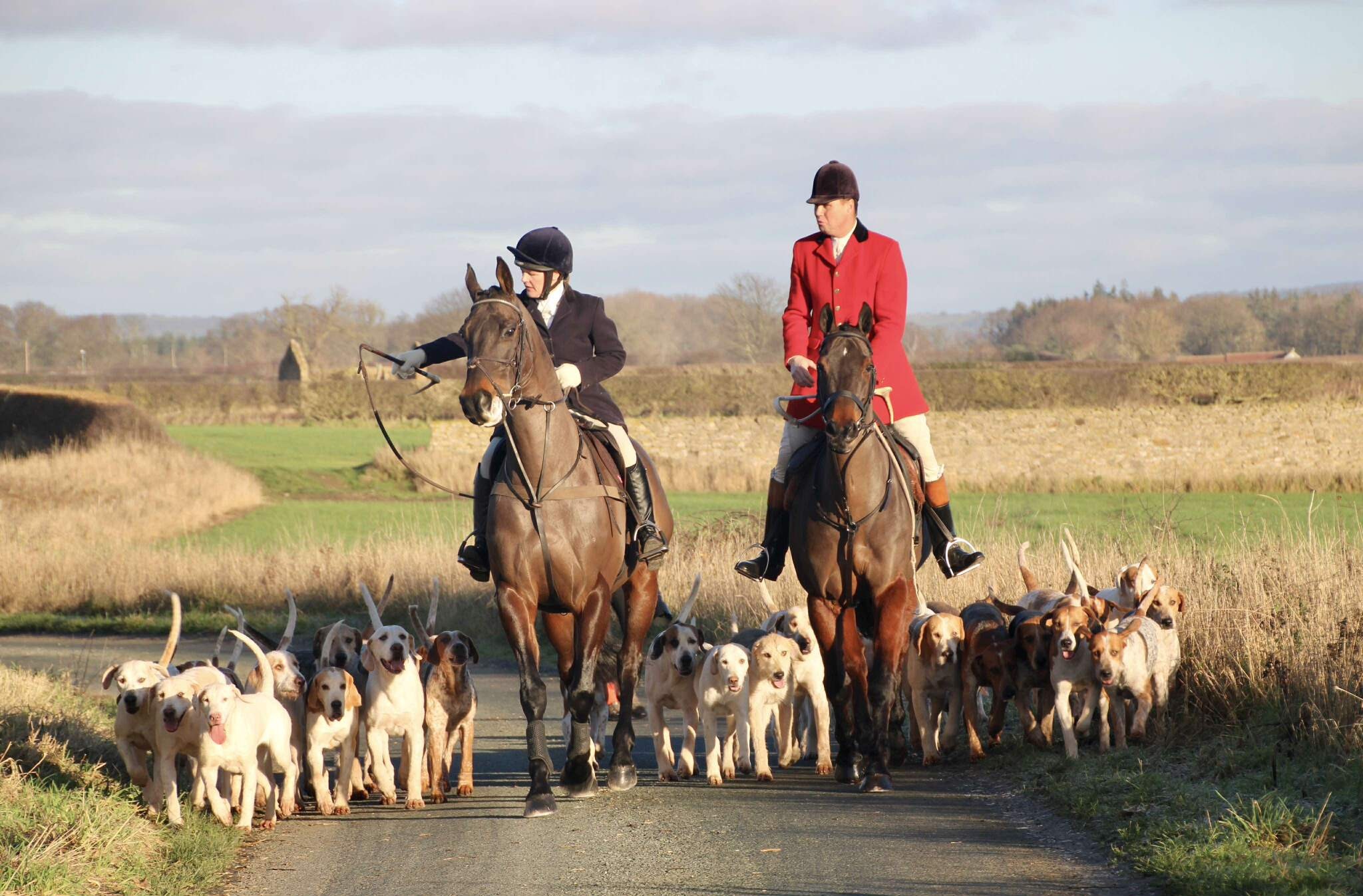
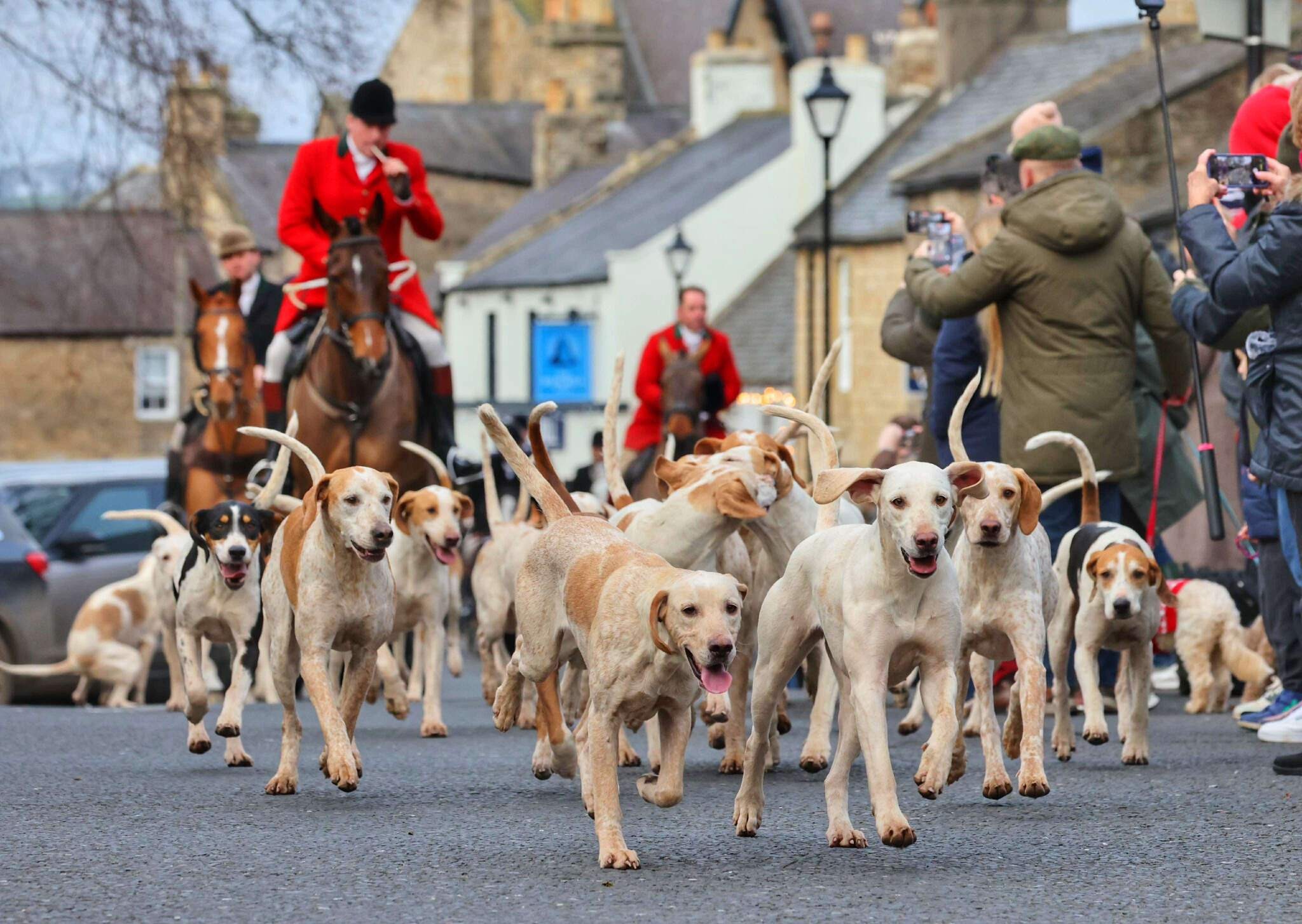
Whoever is in government will not be able to ignore the huge opposition to the proposed ban on trail hunting, and that will be matched by the reaction if Ministers push ahead with plans to restrict and license game shooting and the release of gamebirds. Neither of these proposals will do anything to stimulate growth in the rural economy, tackle the cost-of-living crisis or bring communities together. In fact, they would deliver the exact opposite: stagnation, job losses and division. The countryside is not a sideshow, and a new Prime Minister needs to be as committed to rural communities as he clearly is to urban ones.

 25 June, 2026