Last Friday (17 April), I attended the 72nd General Assembly of the International Council for Game and Wildlife Conservation (CIC) in Vienna and spoke on the ‘Wildlife Economy’, which was an opportunity to question how we present hunting to an increasingly sceptical world.
There were over 650 delegates for whom hunting, in its broadest definition, is a crucial part of our lives, but none of us “just” hunt. Rural life is complex, and its challenges are interconnected. I explained that the Countryside Alliance exists to address those challenges as a whole and that, in doing so, we strengthen the case for all the activities that sustain the countryside, including hunting.
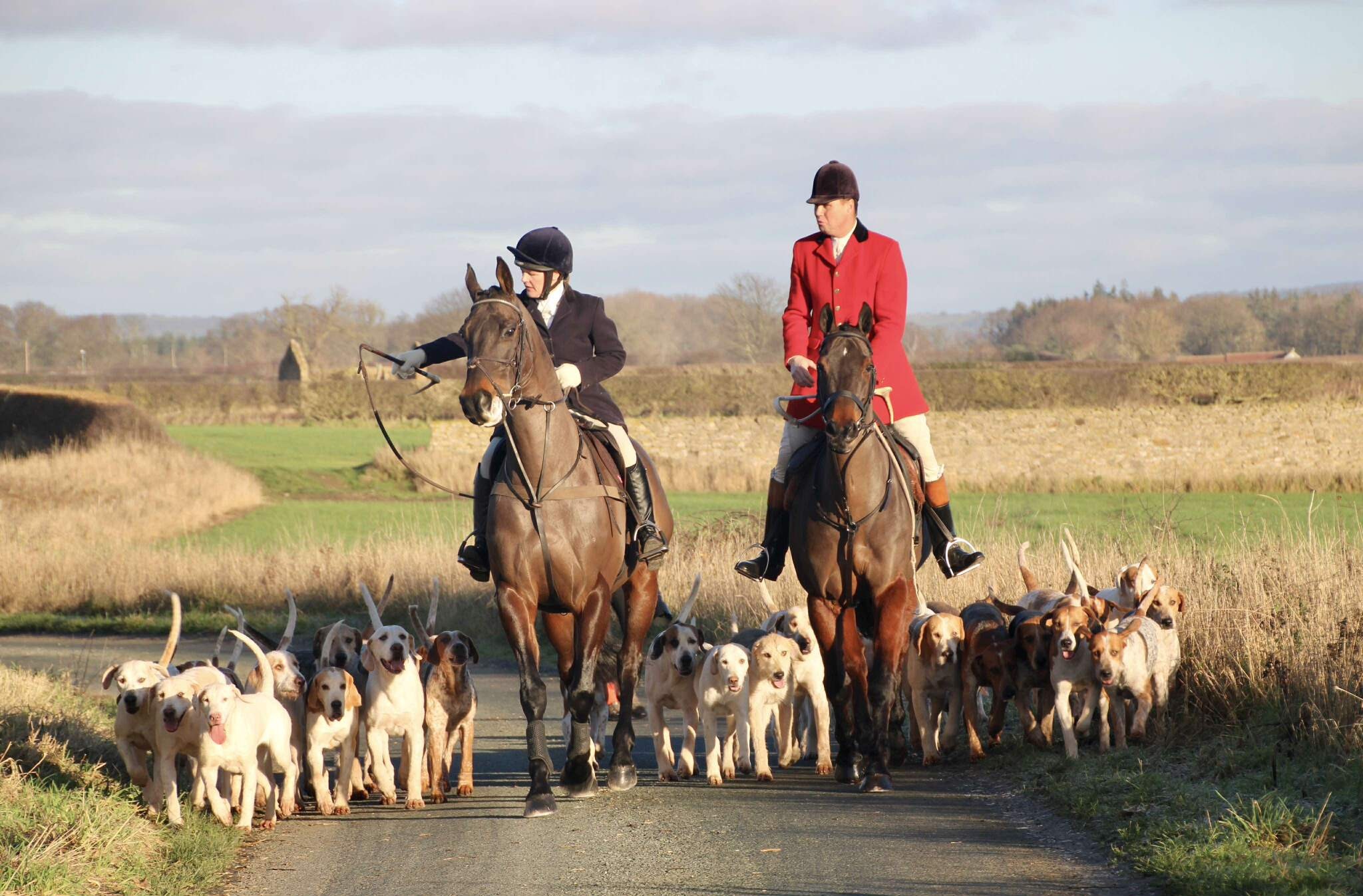
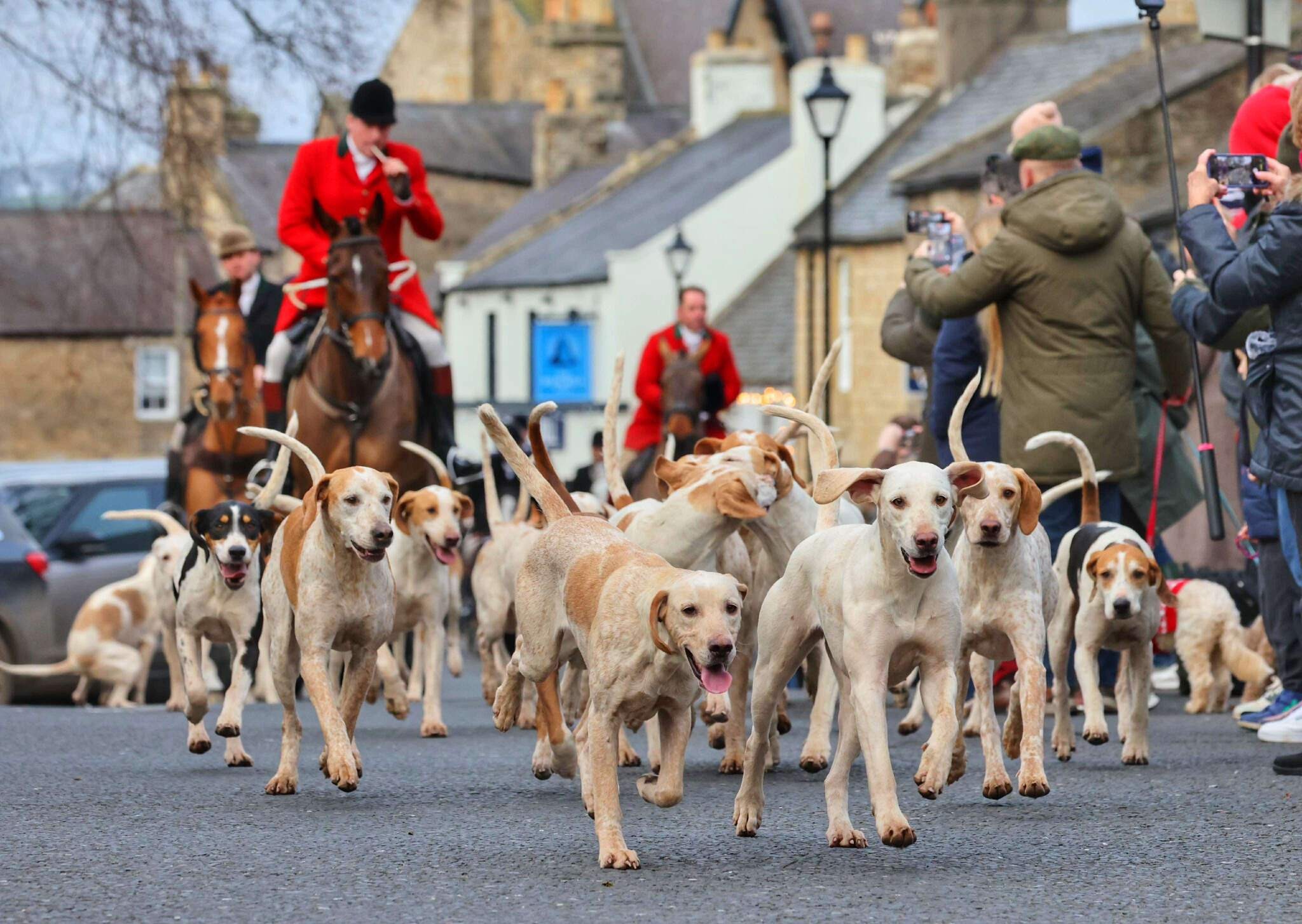
There was plenty of interest in this concept from our European and American colleagues and a lot of questions about our current legislative challenges. It was nice to hear so much support for trail hunting in particular and the stories of the many who had joined us and marched for hunting with hounds in the past.
I also argued that whilst within our own community we tend to lean heavily on the conservation case to promote hunting’s case, this is not always the argument that carries greatest weight with the wider public or with politicians. Where the population is highly urbanised and increasingly disconnected from rural life, as in the UK, our research has consistently shown that economic and social arguments resonate strongly. Everyone understands the value of jobs and businesses, often rather more than the benefits hunting provides to habitats or wildlife populations.
None of this is to suggest that conservation arguments should be sidelined. The work done by scientists from organisations like the Game and Wildlife Conservation Trust to encourage management that benefits the environmental and species, and crucially the research they produce to prove those benefits, remains essential. We saw some brilliant examples of this on Austrian hunting estates. The lesson, rather, is about emphasis and flexibility. Different audiences require different approaches, and those of us who are working to secure a future for all forms of hunting must be prepared to deploy the most effective case to any given audience.
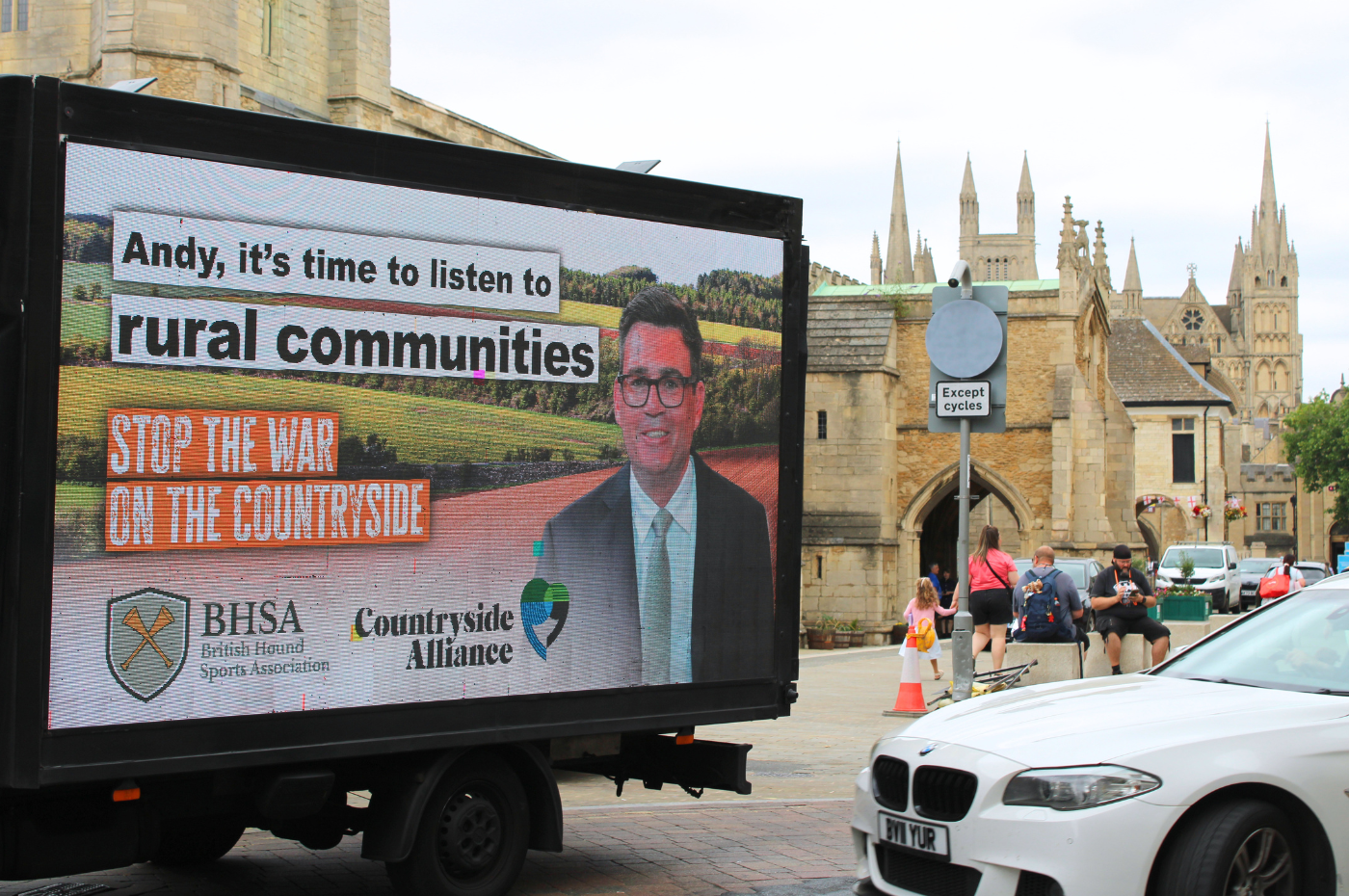
That brings me neatly to the government’s current consultation on banning trail hunting and the economic and social vandalism that represents. Tens of thousands of you have already submitted your responses through the Future for Hunting e-lobby. If you have not done so already, please do, but responding yourself is not enough; please make sure that you take every opportunity to encourage others to do likewise. There is a simple message – if you care about the countryside you should care about trail hunting, because we would all be worse off without it.

 23 April, 2026