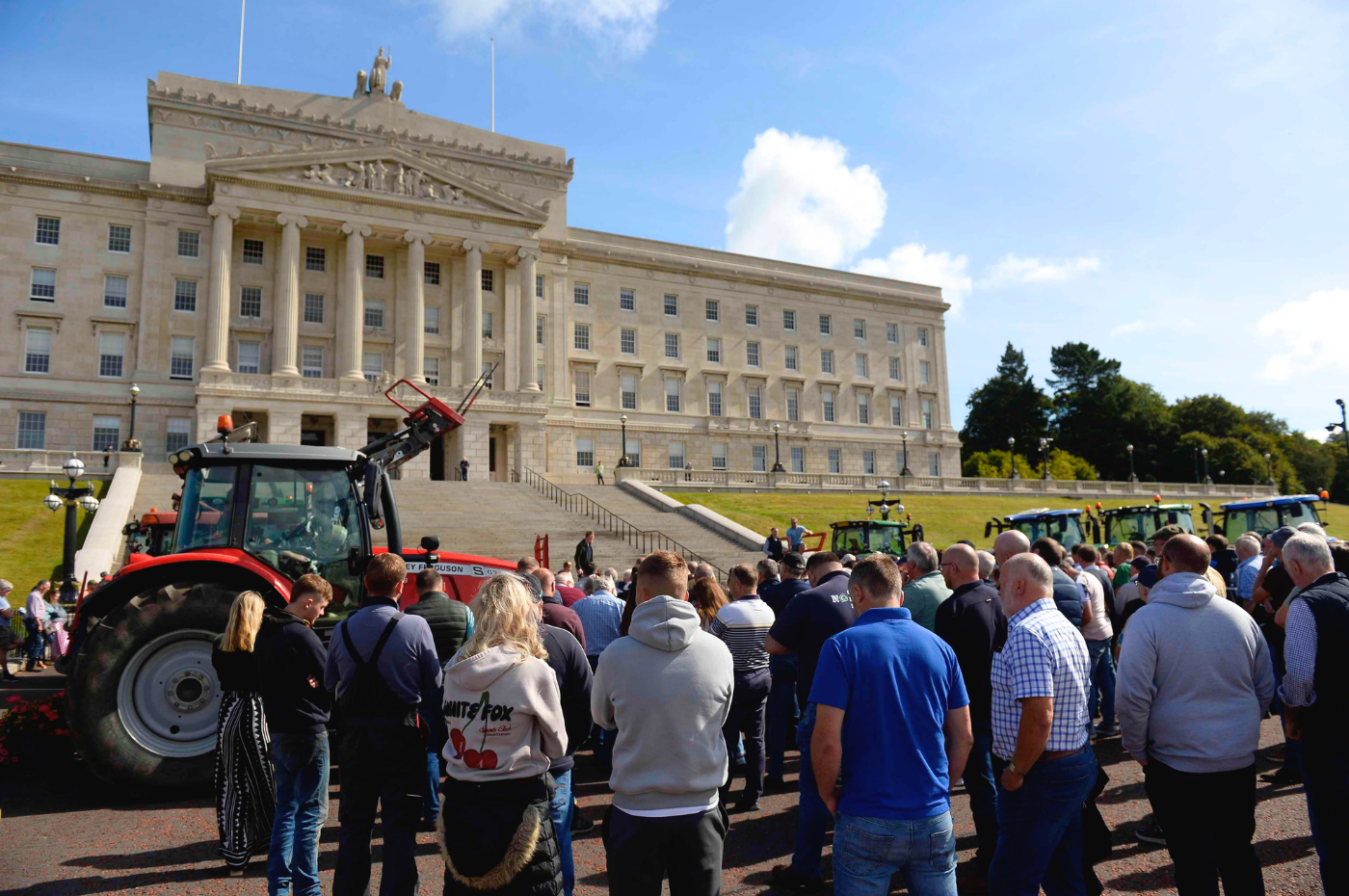
There is no doubt that over the course of this summer Northern Ireland has been subjected to an unprecedented onslaught of ill-informed, draconian and in many cases ridiculous actions or proposals each with the direct aim of increasing the restrictions for people living across Northen Ireland. Many of which whether intentionally or otherwise, have placed the livelihoods of rural communities on the frontline, highlighting the undercurrent of an urban-centric bias amongst policy makers.
However, looking back to the beginning of summer one albeit less publicised proposal brought forward within local council caught the eye of Countryside Alliance Ireland (CAI), and we have been awaiting an update ever since.
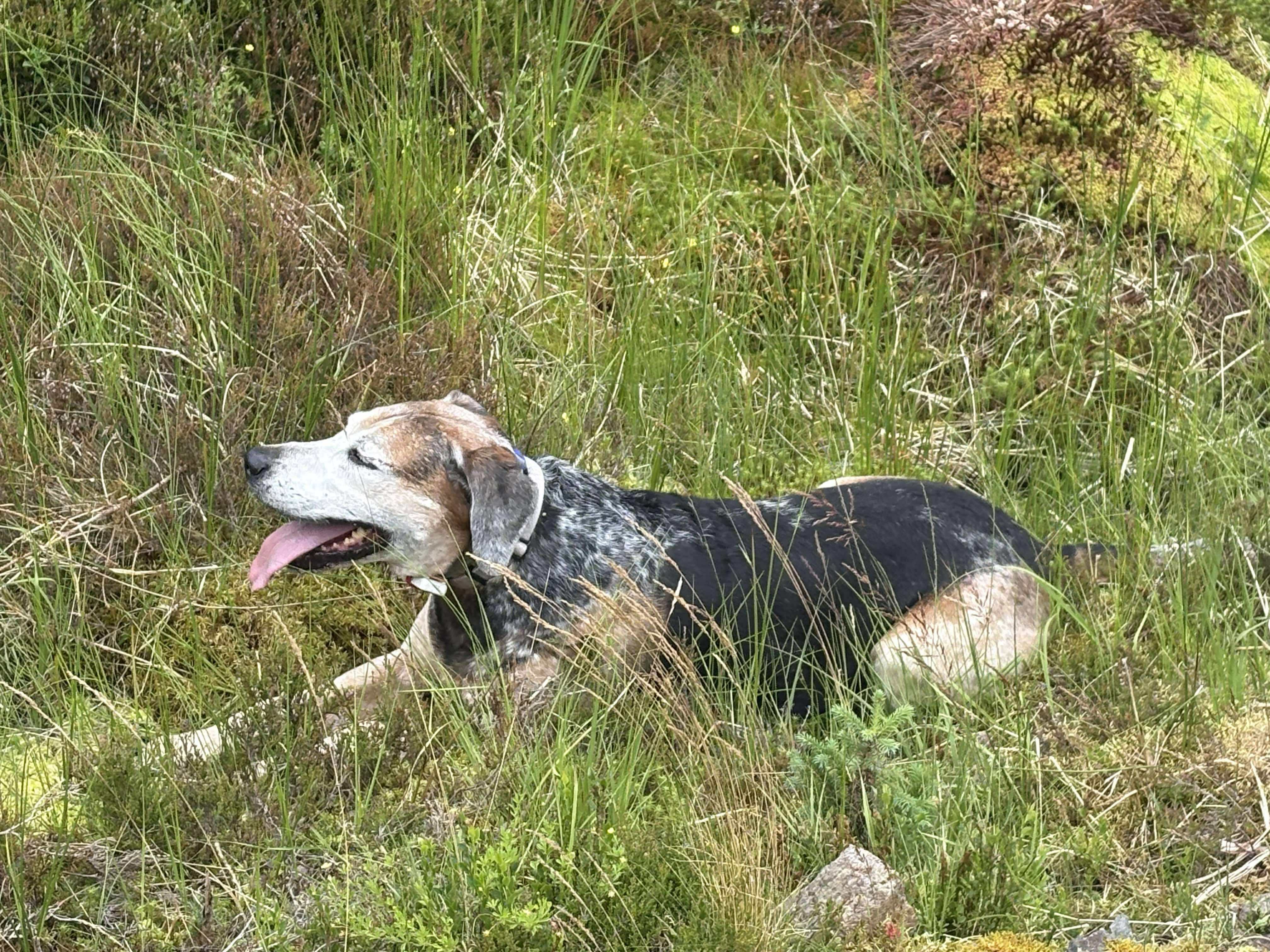
On the 1 June a public consultation was launched to inquire into the idea of limiting the number of dogs an individual was legally allowed to be in control of while within public spaces of the Ards and North Down district. This performative proposal was a motion brought forward by the Green party citing public safety as a core concern, which led to idea of exploring the restrictions.
While this issue may not originally strike you as a particularly countryside focused, consideration must be given to the fact that the geography of the borough is largely rural and that figures historically demonstrate a larger number of “block dog licences” (owners keeping three or more dogs) are held within rural landscapes. Therefor the figures themselves suggest that the impacts of a merely numerically based restriction would primarily affect rural communities, something that the CAI felt was undoubtedly urban leaning. Upon this Countryside Alliance Ireland raised our cautions directly to the Ards and North Down council, also to the mayor and later to Northern Irelands Public Service Ombudsman, to ensure our rural concerns did not go unheard.
Since, the results of the public consultation which ran until July 5, as of this week have been published, thankfully demonstrating an outstanding win for dog ownership, personal freedom and common sense– A strong majority of 69% opposed dog limit restrictions, of which 85% of respondents stated that they personally exercise their dogs within the borough and a total of 57% disagreed with concerns of public safety.
The consultation costed the public purse a total of £2,000 and inquiries into further costing sat in the region of £461,800 for policing the restrictions alone, including hiring three new official roles for the necessary enforcement had the sanity of the respondents not prevailed. While the already squandered sum from the council’s budget and the estimated cost from the PSNI are enough to highlight the madness of the dogmatic proposal, a report since the closing of the consultation was presented by the council demonstrating in further detail the evidence in objection to the proposed excessive restrictions. Amongst this report was the statement by the council, noting – that to date it has not received any complaints regarding an individual walking excessive numbers of dogs.
Cumulatively considering the increased restriction on the people of Ards and North Down, the costing and what is evidently a clear lack of reasoning, the CAI are left with only one line of questioning. Why was the Green party motion ever a consideration? Leading to ultimate answer of priorities. Given this proposal was most likely to affect countryside dwelling constituents, could the council not have better prioritised its time, efforts and finances into a more evident and critical rural issue.
Amongst the work already carried out by the council such urgent matters are clear and remain unchanged. People living within the rural belt still face connectivity issue with deprotonate access to public transport, emergency service response times continue to be dangerously slow with three times longer waits than the target for category 2 emergencies in some areas of the borough and rural crime cost across Northern Ireland have risen by 24% which should undeniably call for urgent action.
These are not abstract or manufactured problems, they are undeniably affecting people’s ability to get to work, access essential services or feel safe in their own communities. The Countryside Alliance Ireland therefor only see it as reasonable to question the priorities displayed by yet another blind agenda and are left wondering when will policy makers focus on agendas that will support, protect and encourage the countryside of Northern Ireland rather than continually shortening its leash.
Its time for a rural reset and the Countryside Alliance has no problem in leading the charge.

 21 September, 2026