Countryside Alliance Ireland is calling for a more practical and flexible approach to slurry spreading regulations, warning that farmers must be given the flexibility to manage their land responsibly while continuing to protect the beautiful countryside, waterways and rural landscapes that make Ireland so special.
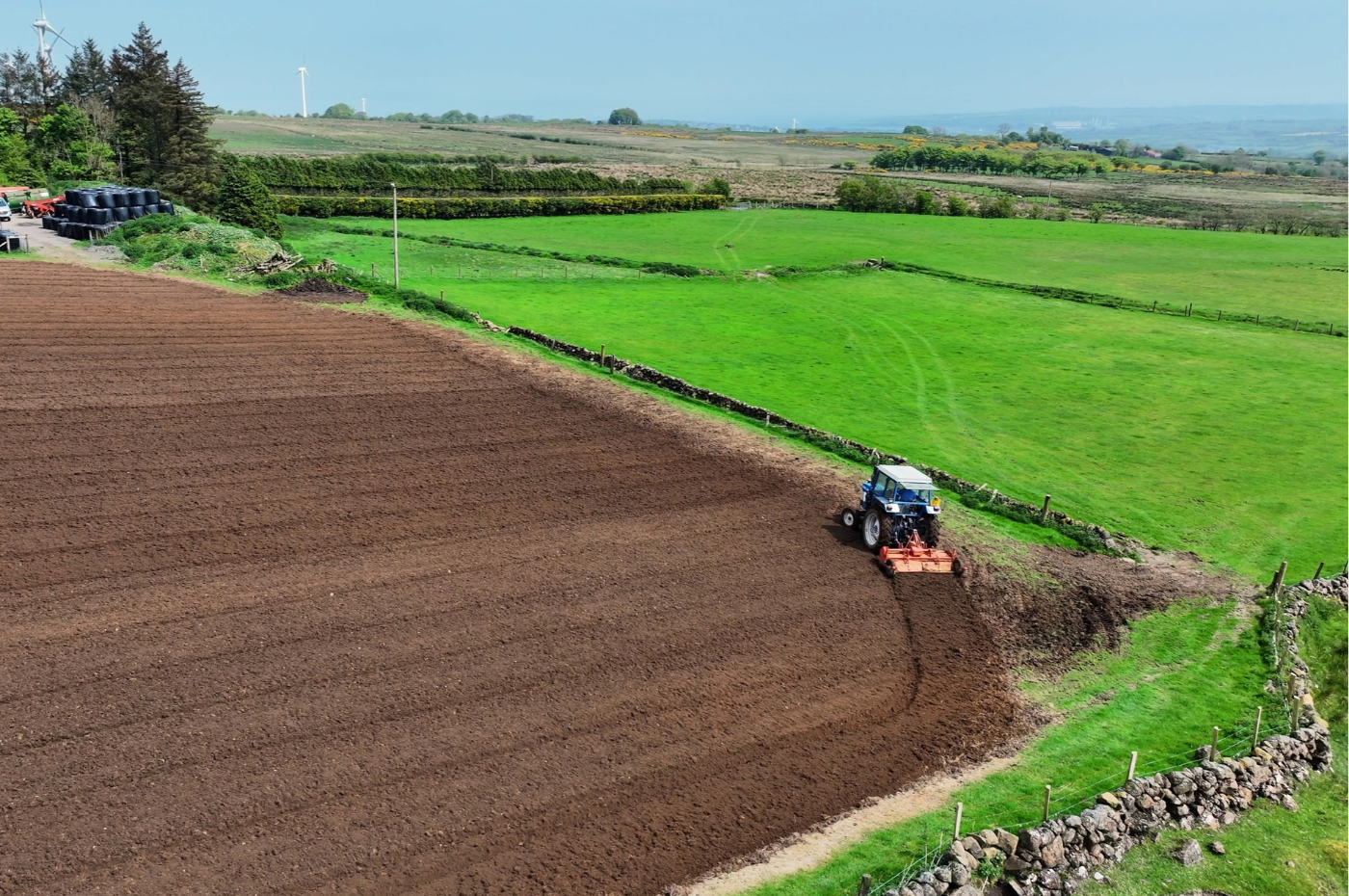
From the rolling green fields of Fermanagh and Tyrone to the shores of Lough Neagh, our countryside is one of our greatest assets. Our rivers, lakes, hedgerows, farmland and rural communities form the landscape that generations have worked hard to maintain. At the heart of that countryside are our farmers, whose livelihoods depend on healthy land, clean water and a thriving natural environment.
Protecting that environment is something farmers understand better than most. They live and work on the land every day and have a direct interest in ensuring it remains productive, healthy and protected for future generations. However, achieving the right balance between environmental regulations and the practical reality of farming is becoming an increasingly important challenge.
This was brought into focus during a debate at the Northern Ireland Assembly on 24 November, when Fermanagh and South Tyrone MLA Diana Armstrong brought forward a motion calling for greater flexibility around the closed period for spreading organic manures.
Countryside Alliance Ireland welcomes Diana Armstrong raising this important issue and recognises the constructive contributions from MLAs across the political parties and across Northern Ireland representatives come together to discuss an issue that directly affects farming families, rural businesses and the wider countryside.
At the centre of the debate was the current slurry spreading closed period, which runs from 15 October until 31 January. While these restrictions are designed to protect water quality, farmers are increasingly questioning whether fixed calendar dates always reflect the changing weather patterns and conditions experienced on the ground.
This autumn has provided a clear example. Wet conditions prevented many farmers from spreading slurry when opportunities were available before the closed period began. Yet, once restrictions came into force, dry weather created conditions in some areas where land was workable and suitable for spreading.
For livestock farmers, this creates considerable difficulties. Animals remain housed during the winter months, slurry storage tanks continue to fill and farmers must manage increasing volumes of organic manure. When suitable weather windows are missed, the pressure on storage capacity and farm management becomes considerable.
The issue is not about avoiding environmental responsibilities. Farmers understand the importance of protecting waterways, preventing pollution and applying nutrients responsibly. They know that spreading on unsuitable, waterlogged or flooded ground can have serious consequences for the environment.
However, they also know that good farming depends on working with nature rather than simply following a calendar. A more flexible system, based on verified weather conditions and clear environmental safeguards, could help farmers make better decisions and manage nutrients more effectively.
Diana Armstrong's motion did not seek to remove the closed period or abandon environmental protections. Instead, it called for clear, published criteria explaining when the existing reasonable excuse provision could apply, alongside a mechanism for a time-limited extension or deferral where exceptional weather conditions could be verified.
However, the debate exposed significant differences of opinion. Alliance Party MLA John Blair opposed the motion, while Alliance Agriculture and Environment Minister Andrew Muir maintained that the existing arrangements should remain unchanged. The Minister confirmed that he would not publish prescriptive criteria explaining when farmers could rely on the reasonable excuse provision, arguing that this could create expectations of automatic exemptions and undermine enforcement.
He also maintained that the scientific evidence did not provide sufficient assurance to introduce weather-based flexibility.
The Minister's response is unlikely to help rebuild already strained relationships with the farming community. This comes against the backdrop of the Ulster Farmers' Union who recently extended its vote of no confidence in the Minister himself, reflecting the depth of frustration within the industry. With the Alliance Party and its Minister opposing further flexibility on an issue of such practical importance to farmers, there is a growing concern within the agricultural community’s view the party is increasingly disconnected from, and unsympathetic to, rural interests.
Countryside Alliance Ireland believes this position leaves farmers without the clarity and certainty they deserve. If a reasonable excuse provision already exists in legislation, farmers should be entitled to understand how it operates, what circumstances may be considered exceptional and what evidence they would need to provide. Transparency should strengthen environmental compliance, not undermine it.
Protecting our waterways and supporting our agricultural industry should not be treated as competing objectives. Farmers are among the most important custodians of our countryside, and their practical experience must be recognised when decisions affecting their livelihoods are made.
Regional Director of Countryside Alliance Ireland, Gary McCartney, said:
"We welcome Diana Armstrong bringing this important issue before the Assembly and the recognition across the House that farmers need practical solutions. Our beautiful countryside and waterways are worth protecting, but farmers need regulations that recognise the realities of working the land and increasingly unpredictable weather. Greater flexibility, clear guidance and common sense would help farmers manage their businesses responsibly while protecting the environment for future generations."
There is another important consideration: farm safety. The pressure of slurry management should never be underestimated. Since 2008, six recorded farm fatalities in Northern Ireland have been directly related to slurry. Safe storage, responsible handling and sensible management are essential, and farmers must have practical opportunities to carry out this work safely.
The Assembly ultimately agreed to Diana Armstrong's motion by 56 votes to 14, calling for clearer guidance on reasonable excuse and consideration of a time-limited mechanism for exceptional weather conditions. This was a significant outcome, and the Department must now consider the Assembly's clear message.
Countryside Alliance Ireland believes that protecting our countryside and supporting our farmers should go hand in hand. The people who produce our food are also the people who maintain much of our rural landscape. They care about the condition of their land, the health of their rivers and the future of the communities in which they live.
Our countryside is too precious to take for granted. We must protect its natural beauty, safeguard our waterways and ensure that the next generation can enjoy the same wonderful rural environment that we have inherited.
Farmers are not asking for environmental protections to be abandoned. They are asking for common sense, transparency and flexibility. A thriving countryside needs a thriving farming industry, and good environmental policy must recognise that the two are inseparable.

 25 November, 2026