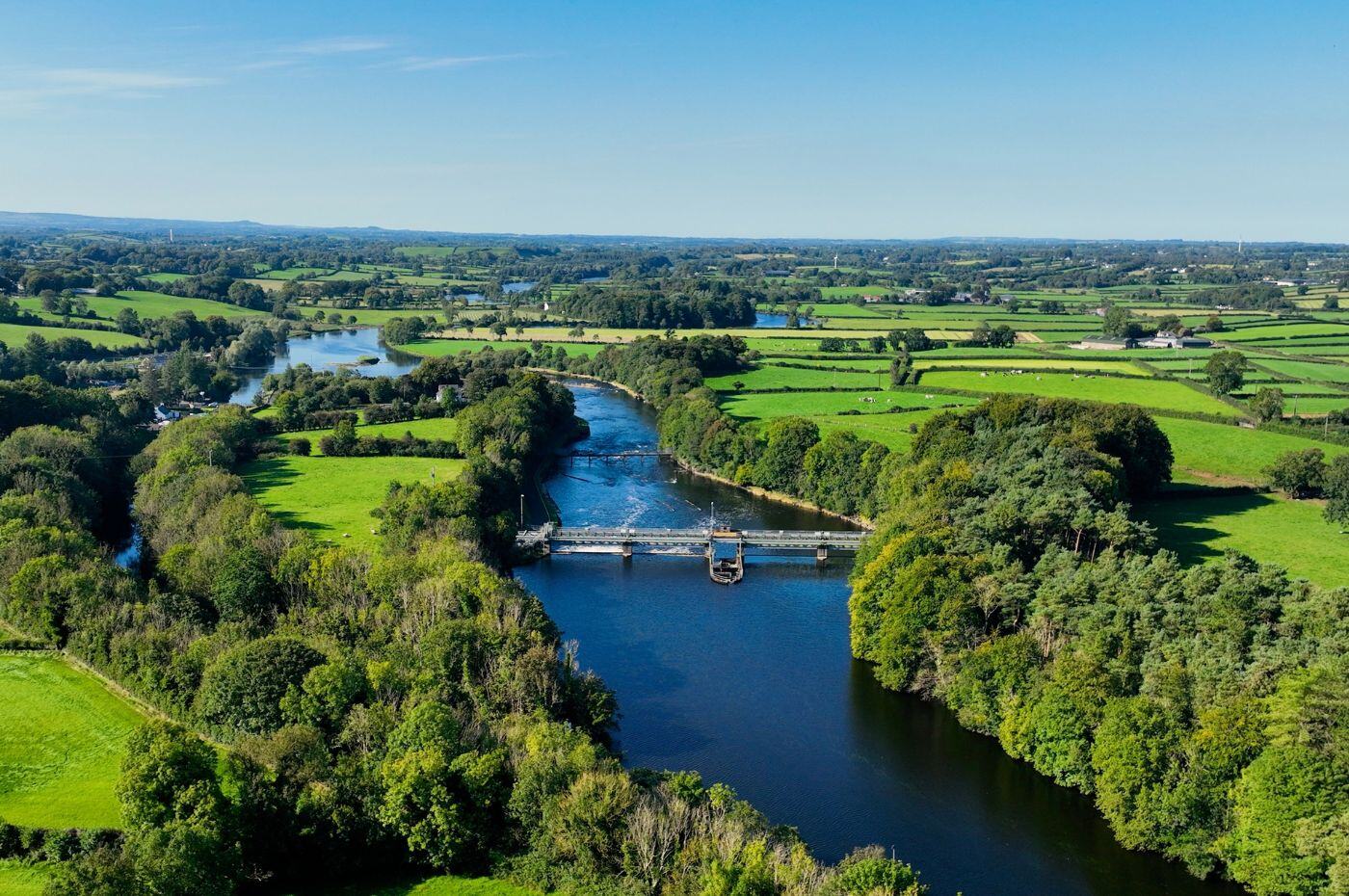
Fresh air, meandering streams and roaming livestock framed by unspoilt views are just a few of the images that come to mind when describing the countryside. They are certainly among the features that the Countryside Alliance prides itself on protecting across rural Northern Ireland.
However, this often idealised picture of our countryside has recently been overshadowed by a far uglier, more damaging and potentially dangerous reality.
Reports of dead animal carcasses being discovered in rivers, streams and watercourses across Northern Ireland have prompted difficult discussions over recent weeks. While such scenes are disturbing for those who enjoy the countryside, the implications stretch far beyond unpleasant sights of what is largely reported to be fallen stock. They raise important questions about how animal carcasses are disposed of and whether sufficient practical and affordable options exist to prevent such environmental crimes in the first place.
The overwhelming majority of livestock owners act responsibly and dispose of fallen stock lawfully. Equally, the issue is not confined solely to agriculture. Wider society also has responsibilities to dispose of dead animals properly, whether that involves livestock or otherwise. Illegal dumping of dead animals is inexcusable regardless of type or the individuals responsible, but preventing it requires more than condemnation alone.
For generations, hunts across Northern Ireland have provided farmers and livestock owners with the fallen stock service, offering a practical and comparatively inexpensive means of disposing of carcasses. While debates surrounding hunting often neglect the wide range of practices hunts carry out, the role that hunts play in assisting with fallen stock disposal should not be overlooked. At a time when policymakers are grappling with how best to protect our environment and waterways, it is reasonable to ask whether such services could form part of the solution.
The need for practical solutions becomes all more apparent when considering the consequences of improper disposal.
The dumping of carcasses into waterways presents a serious biosecurity and environmental hazard. As they decompose, carcasses release organic matter, bodily fluids and nutrients into the water, causing contamination and degrading water quality. The resulting pollution can facilitate the spread of harmful pathogens and diseases. Agricultural livestock are known carriers of bacteria such as E. coli, Leptospira and Campylobacter, all of which can enter water systems and potentially affect other animals and people.
Improper disposal may also increase the risk of spreading more known serious diseases, including Bovine Tuberculosis (TB), threatening Northern Ireland's livestock industry and the livelihoods that depend upon it. Yet the dangers extend beyond agriculture. Wildlife, including mammals and birds, domestic pets such as dogs and horses, and even local communities living alongside these waterways may all be affected.
Furthermore, the afore mentioned environmental consequences are equally substantial. Nutrient pollution resulting from decomposing carcasses can contribute to harmful algal blooms and depleted oxygen levels, damaging aquatic ecosystems. Residents of Northern Ireland are already acutely aware of these dangers through the ongoing blue-green algae crisis affecting Lough Neagh.
These incidents have rightly attracted condemnation from Agriculture, Environment and Rural Affairs Minister Andrew Muir, who has publicly expressed his disgust at reports of carcasses being dumped in waterways. Such condemnation is entirely justified. However, alongside enforcement and punishment, there must also be a willingness to explore measures that could help prevent these incidents from occurring.
Representatives from the Ulster Farmers' Union have highlighted the significant financial pressures currently facing agriculture. Proper disposal of fallen stock is one of many unavoidable costs, with the collection and disposal of an adult cow costing upwards of £90. While financial pressures can never excuse illegal behaviour, they do underline the importance of ensuring that lawful disposal routes remain both affordable and accessible.
With more than 150 reported incidents of animal dumping since 2020, discussions about practical solutions are clearly required, and existing hunt-operated fallen stock services already provide one means of helping livestock owners dispose of carcasses responsibly. As debates continue around the proposed Hunting with Dogs Bill, it is legitimate to consider what impact any reduction in existing services could have and whether further utilisation or expanding such networks could help reduce illegal dumping and protect Northern Ireland's waterways.
Protecting our rivers and streams should not become a casualty of political division. Effective environmental policy depends not only upon robust enforcement but also upon recognising and supporting practical solutions. Whether one supports or opposes hunting, the contribution hunt-operated fallen stock services make to rural communities deserves careful consideration. If they can help reduce illegal dumping and safeguard water quality, the idea that hunts are made up of outdated practices no longer required within the modern day is simply not true. Instead, they should remain apart of our conversations regarding how best we preserve the countryside for generations to come.

 11 June, 2026



.png)