The new Prime Minister, Andy Burnham, announced this morning (23 July) that from next April pubs will receive a 20% cut in their business rates bills. This comes on top of the 15% reduction announced this April.
That 15% discount was a response to the fury that erupted last November when on the same day that the then-Chancellor of the Exchequer, Rachel Reeves, announced “permanently lower tax rates for over 750,000 retail, hospitality and leisure properties – the lowest tax rates since 1991”, the Valuation Office Agency delivered assessments of the rateable values of pubs – the values that rates bills are calculated from – that saw an average rise of 30%, with some going up by what were seen as preposterous sums.
The Countryside Alliance cautiously welcomed the cut announced in April and takes the same position on today’s cut, but there are three important caveats. First, as the BBC pointed out this morning, both affect only pubs, clubs and live music venues; the remainder of the hospitality and leisure sector, principally restaurants and hotels, get no benefit, despite the fact that the average unabated bill increase for pubs would have been 76% over three years, whereas for hotels it remains at 110%. The Institute for Fiscal Studies has gone so far as to declare the latest relief for pubs unwelcome for treating different types of business differently.
Second, business rates represent only one component of costs imposed on businesses by government policy. Since the general election, employers' National Insurance contributions have increased from 13.8% to 15% starting 6 April 2025, alongside a reduction in the earnings threshold at which employers start paying from £9,100 to £5,000 (although smaller businesses have had some relief through an increase in the Employment Allowance, a deduction from their total bill, from £5,000 to £10,500). In addition, as we observed in November:
“Alcohol duties are being uprated in line with retail price inflation (RPI) at 3.66%, minimum wage increases are raising staffing costs, recruitment remains challenging and the Office for Budget Responsibility… has declined even to model the possible economic impact of the government’s Employment Rights Bill.”
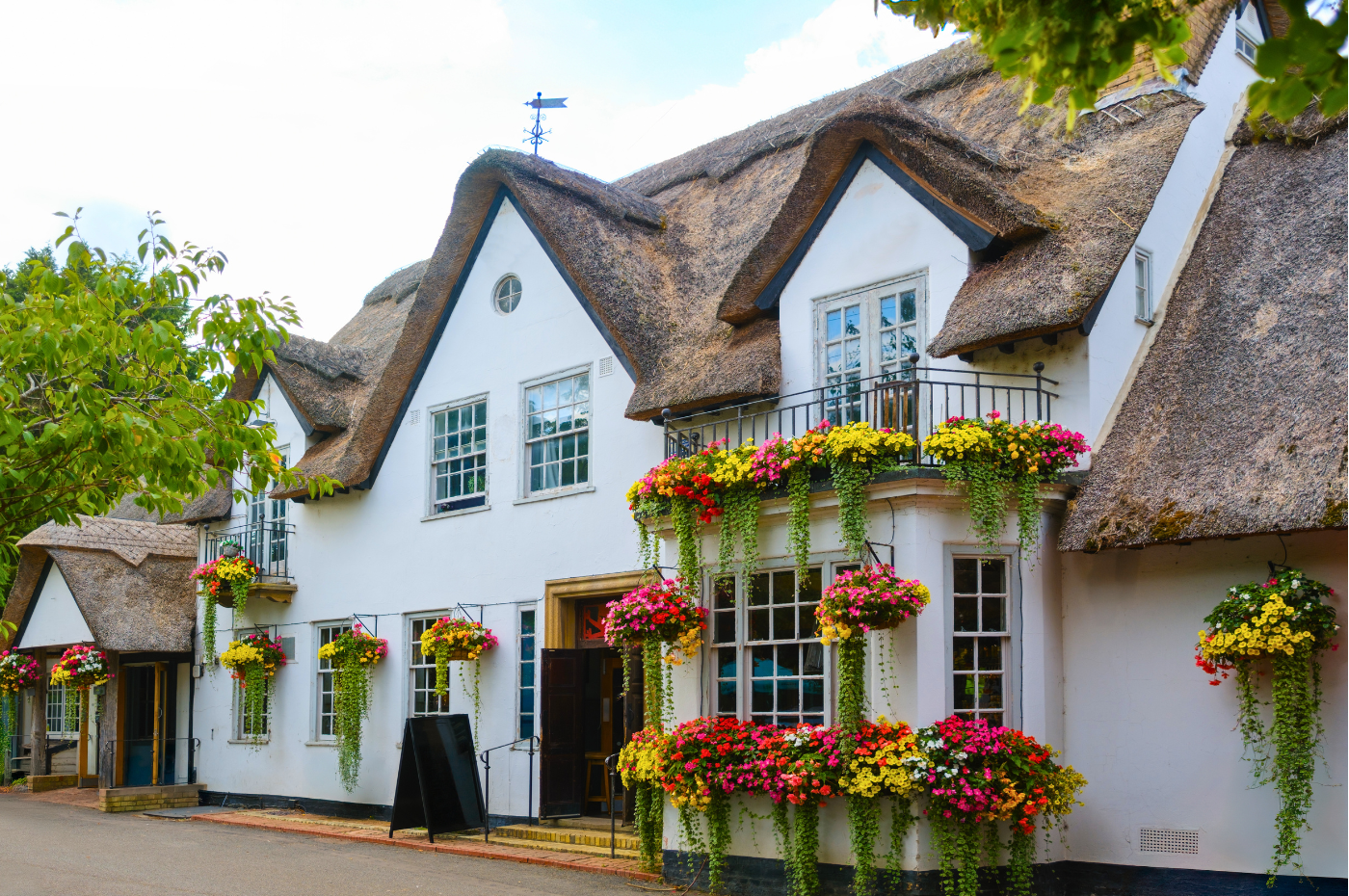
Third, there are broader concerns about the business rates system and the impact it can have on rural businesses especially. The rates valuation increase was criticised as penalising pubs based in heritage buildings in attractive rural locations, on the theory that their inherent appeal to consumers made them capable of generating greater revenues – despite their isolation requiring them to work all the harder to position themselves as destination businesses, given their limited local footfall.
It appeared to suggest a lack of appreciation for the realities of living and doing business in rural Britain, which regrettably continues to be reflected in other areas of government policy too. Two days ago (21 July) the government announced a reduction in VAT on electricity from 5% to zero for the six months from October: a benefit to all parts of the country but offering no special solace to rural householders reliant on heating oil, the price of which has seen a greater impact from current international conflict than have electricity bills. Similarly, the announcement yesterday (22 July) of a cut in most English bus fares to £2 will provide some relief to those living in areas with a reliable bus service, but that remains something too many rural communities do not have.
The new government faces an urgent imperative to reset its relationship with the countryside, and it can only do so by ensuring its policies are properly rural-proofed and are designed from the ground up with rural challenges in mind. The appointment of Jenny Riddell-Carpenter MP, a genuine rural champion within the Parliamentary Labour Party, to a ministerial role in Defra is a welcome development and signals at least a willingness to engage.
The Countryside Alliance stands ready to help the government make the structural changes necessary to reconnect with the countryside. However, recent announcements suggest the government still has a way to go in recognising the need to ensure policy accounts for the particular needs of rural communities.

 23 July, 2026


.jpg)
-1.png)
.png)