The Countryside Alliance has submitted its response to DAERA’s consultation on the draft Resources and Waste Management Strategy for Northern Ireland. While we welcome the Department’s commitment to improving recycling rates and tackling litter, our response highlights serious concerns about how the strategy will affect rural communities, farmers and land-based businesses.
Ambitious targets, practical challenges
The draft strategy sets ambitious recycling targets, including a 70% overall waste recycling rate by 2030. However, the Countryside Alliance has cautioned that these targets, while well-intentioned, fail to fully consider the realities of rural Northern Ireland. Many farms and rural households face limited recycling infrastructure, longer collection routes and fewer local waste services, making uniform targets impractical without significant investment and support.
Northern Ireland’s agricultural sector generates a substantial portion of the region’s organic and plastic waste. The Alliance stressed that much of this is already responsibly managed on-farm, through reuse, nutrient recycling and stewardship practices. Imposing conventional municipal-style recycling requirements on rural producers risks penalising farmers while achieving limited environmental benefit. Our response calls for recognition of these existing practices and the inclusion of practical, flexible measures tailored to rural needs.
Supporting action on fly-tipping
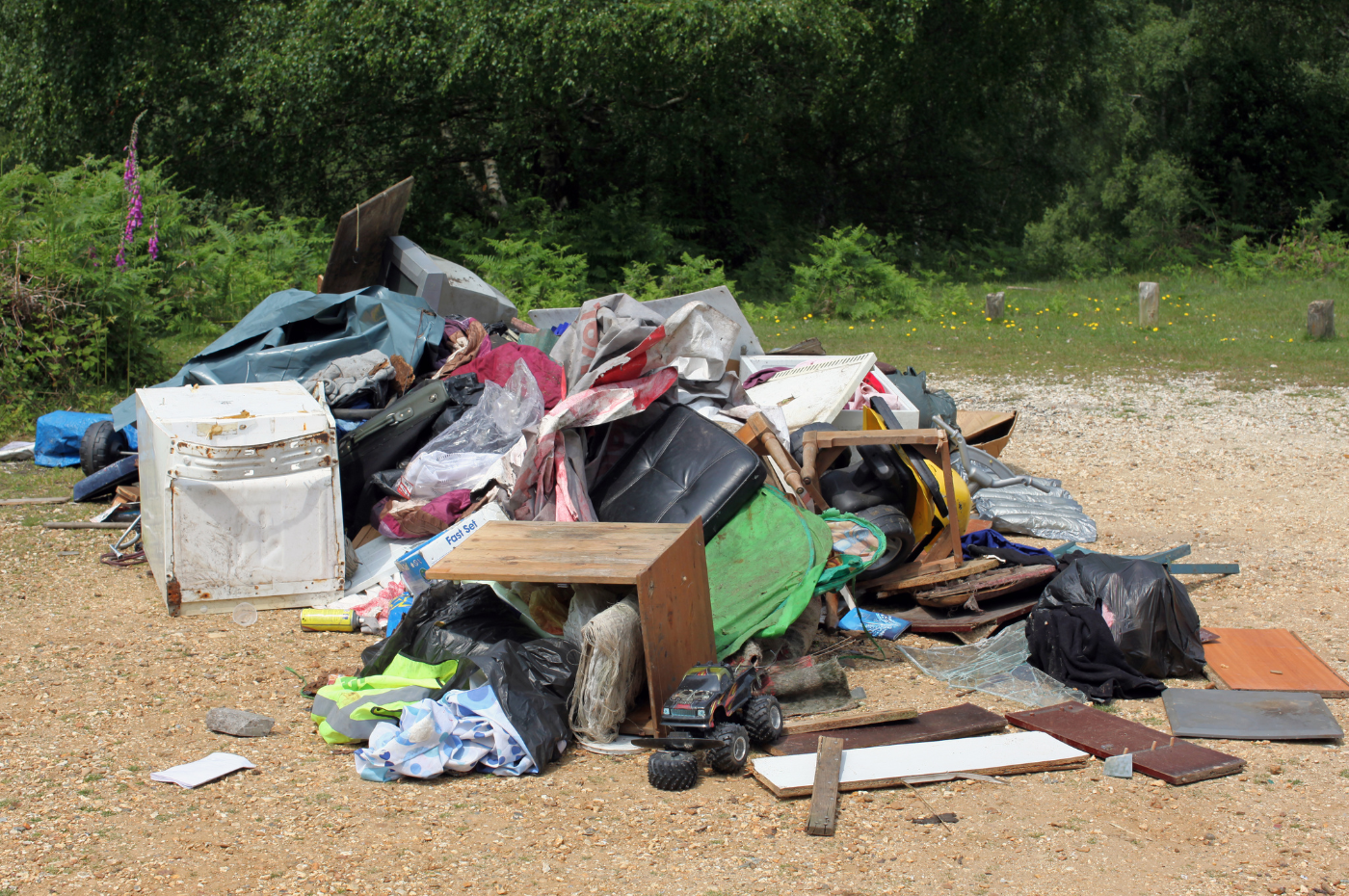
The Countryside Alliance strongly supports the strategy’s actions to tackle fly-tipping, recognising the serious environmental and safety risks it poses in rural areas. Unfortunately, the consultation did not provide an option for respondents who agreed with this action to add further comments, limiting the opportunity to provide additional context from a rural perspective.
Infrastructure, guidance and enforcement
The Alliance highlighted gaps in rural waste infrastructure and the need for guidance and support specifically designed for small rural businesses and farming operations. Enforcement must be targeted at illegal waste activity and organised crime, rather than compliant rural households or agricultural enterprises.
Meaningful engagement with rural communities, landowners, and farming representative bodies is essential to ensure that environmental goals are achieved without placing disproportionate burdens on those living and working in the countryside.
Gary McCartney, Director of Countryside Alliance Ireland, said:
“We fully support a cleaner, more sustainable Northern Ireland, and tackling fly-tipping is a priority. But the strategy must work with rural communities, not against them,”

 30 January, 2026