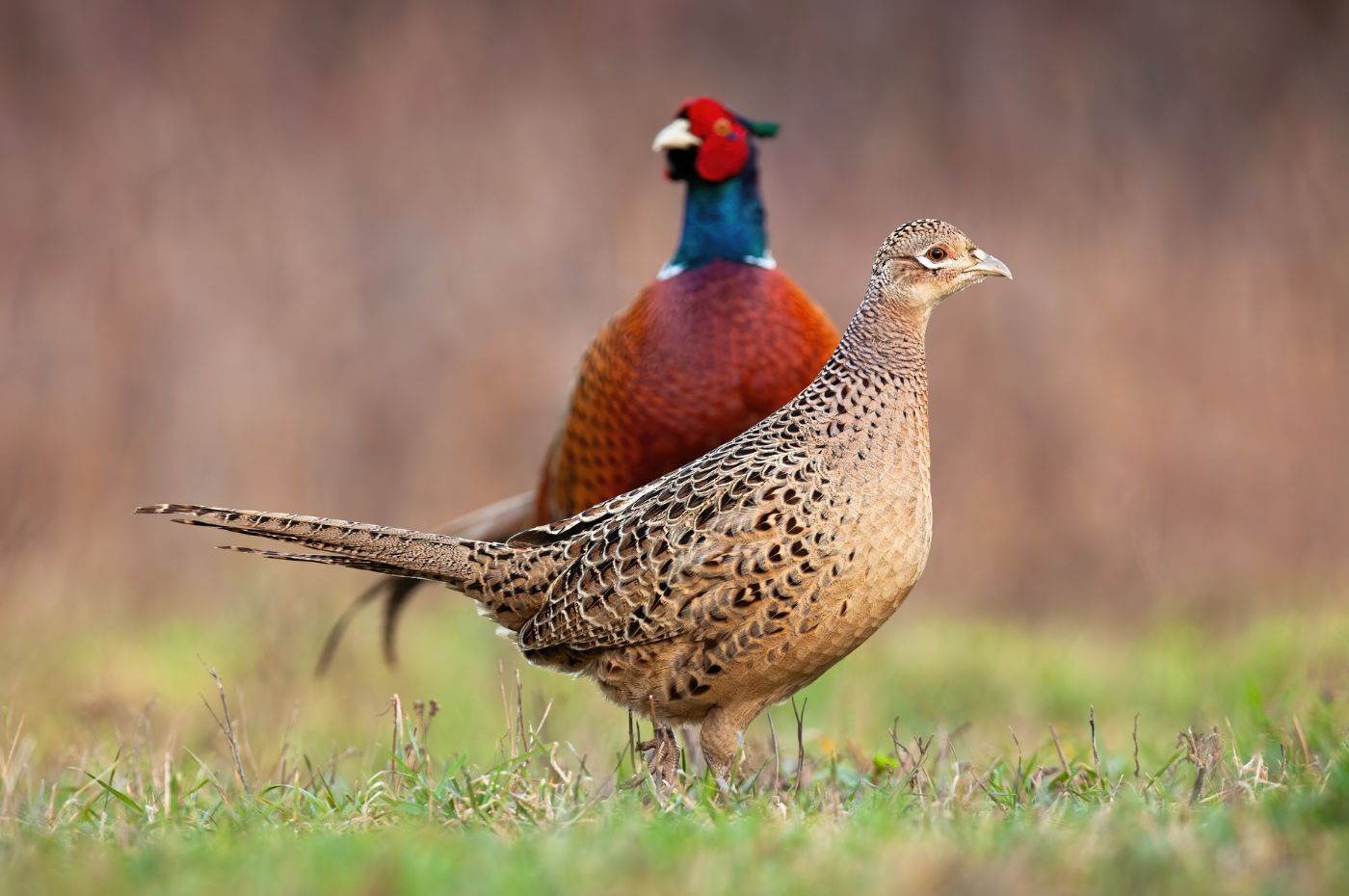
The Countryside Alliance has expressed deep concern for rural businesses and game managers affected by the recent cull of around 1,000 pheasants in County Tyrone, Northern Ireland, following a suspected case of avian influenza.
While protecting animal health is essential, the Alliance emphasises that responsible gamebird rearing and shooting form a vital part of the rural economy and countryside way of life, and those working in the sector must be supported as they deal with challenges beyond their control.
A blow to rural livelihoods
Gamebird rearing and shooting support thousands of jobs and sustain vital conservation management across the UK countryside. Those working in this sector are often the first to detect signs of disease and are doing everything they can to protect not just their own birds, but the wider poultry industry.
Pheasants are routinely reared by farm and shoot businesses, contributing significant income to habitat management, woodland and hedgerow maintenance, and local rural supply chains. The loss of birds, even as a precautionary measure, represents a serious economic setback for those families and communities.
Biosecurity and cooperation with authorities
The Alliance welcomes the focus on biosecurity by authorities but urges clear guidance and timely compensation for those affected. Gamekeepers and bird keepers play a crucial role in early disease detection and bird keepers can continue their important work in the countryside.
Rapid action is essential
We recognise that avian influenza is a serious threat and that swift action is essential to prevent it from spreading to other birds and farms. While culling is never easy and represents a significant blow to rural livelihoods, quick and decisive measures are necessary to protect both domestic poultry and wild bird populations.
Shooting and wider wildlife benefits
Responsible game shooting plays a vital role in maintaining healthy countryside ecosystems. Well-managed shooting estates actively manage habitats to benefit a broad range of wildlife beyond gamebirds:
- Habitat creation and maintenance: Woodland, hedgerows, and field margins are carefully managed to provide cover and feeding areas for pheasants, partridges, and other wildlife, which also benefits songbirds, insects, and small mammals.
- Predator control: Predators such as foxes and crows are monitored to maintain balanced ecosystems, reducing pressures on vulnerable species and helping to protect nests and young birds.
- Conservation funding: Income from shooting often supports conservation projects, from wetland restoration to tree planting, which directly enhances biodiversity.
- Population monitoring: Gamekeepers routinely observe bird populations and record changes in wildlife numbers, providing valuable data that informs wider conservation efforts.
- Disease management: By controlling populations and maintaining strong biosecurity, responsible shoots help reduce the spread of diseases that could impact wild birds.
Shooting is a practical, hands-on way of managing and protecting the countryside. The work of gamekeepers and rural businesses sustains habitats and species that would struggle without this careful stewardship.

 10 March, 2026