Over the past fortnight, the Department for the Environment, Food and Rural Affairs and Natural England have come under close parliamentary scrutiny for their policies on moorland management and especially, their unprecedented restrictions on heather burning.
In evidence to the House of Commons Environmental Audit Committee two weeks ago (04 March), Andrew Gilruth, Chair of the Moorlands Association, gave Defra both barrels and accused officials of misleading Ministers. Early in his evidence he said of the advice that led to a 168% expansion in the area of moorland prohibited for controlled burning without special licence:
“It is a work of fantasy that we have ended up with a government policy that is in defiance of the international consensus. Last year, the G7 and the EU all agreed that controlled burning was an important element of reducing wildfire risk. The only people who decided that we should introduce a de facto ban were in DEFRA.”
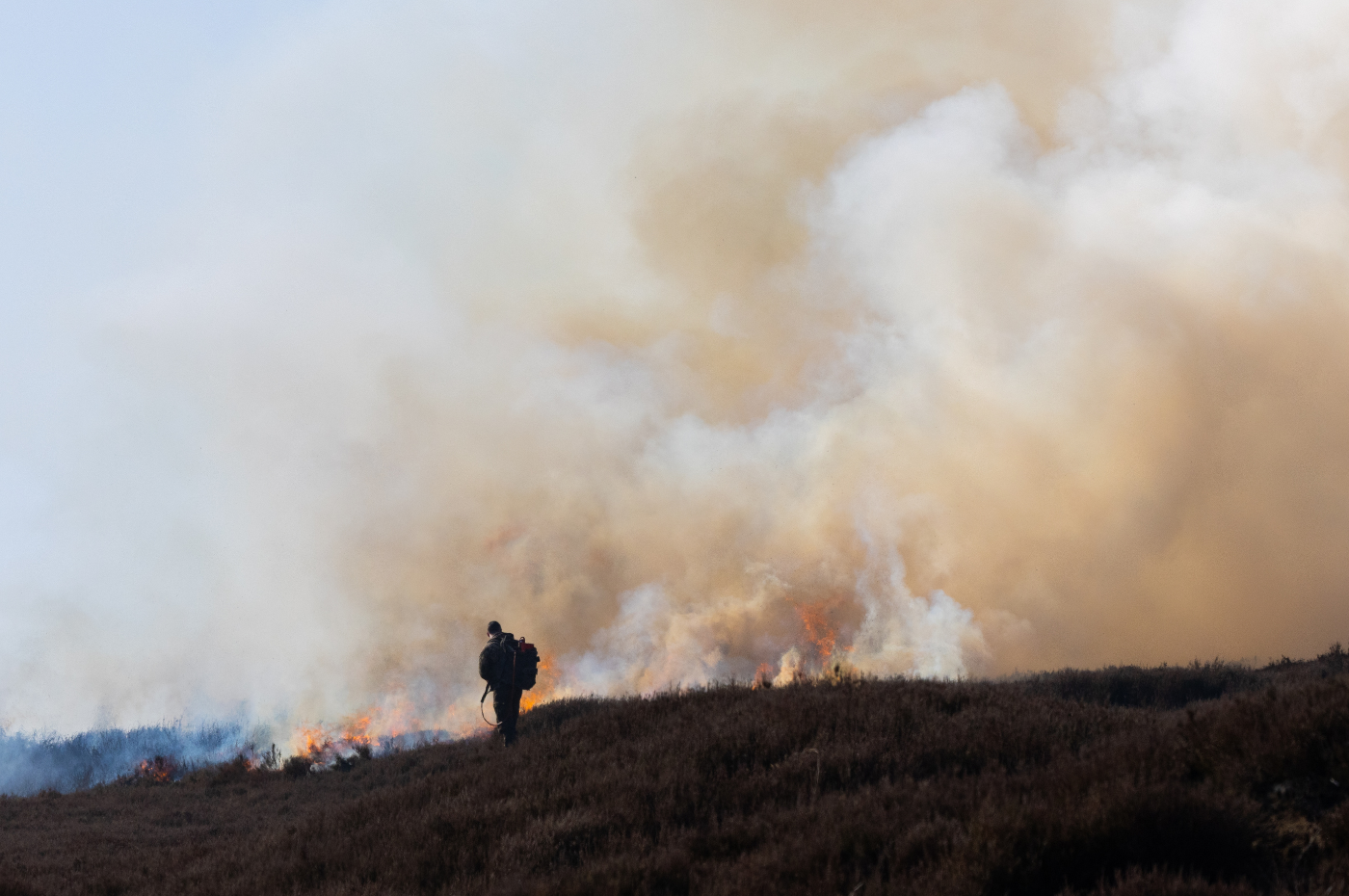
Strongly defending controlled heather burning (muirburn) as a land-management tool, he said that government restrictions on controlled burning are increasing wildfire risks by allowing large fuel loads of vegetation to build up. He suggested that Defra policy runs contrary to international fire management practices and advice from fire services, arguing wildfires are a major and under-recognised source of peatland carbon emissions. Indeed, he cited long-term research that suggests prescribed burning may lead to greater carbon storage after about 10 years compared with no intervention.
Last week (10 March), meanwhile, Natural England’s Chair, Tony Juniper, and Chief Executive, Marian Spain, appeared before the Environment, Food and Rural Affairs Committee to be closely questioned on moorland management policies, especially from the Chair, Alistair Carmichael MP (Orkney and Shetland, Liberal Democrat). Echoing comments from Mr Gilruth the previous week, Mr Carmichael said:
“What we are touching on here is that there is a range of views within the science, and some academics working in this area feel that they do not get a fair crack of the whip from Natural England and other Government agencies.”
He went on to quote an email he had received from a scientist at the University of York, which is undertaking a 20-year study of the impacts of different vegetation management schemes. The researcher said of three key Natural England policy reports that he had “some serious concerns about their methodology and quality”. The witnesses blithely responded that they had not seen the email. Mr Carmichael went on to ask pointedly whether Natural England’s position was “informed by the views of some of the NGOs in relation to driven grouse moors,” which unsurprisingly was rejected.
Considering the growing body of evidence that controlled burning can support biodiversity, carbon capture and reductions in wildfire risk – evidence with which recent Defra and Natural England decisions have been radically out of step – these denials did little to allay concerns that the government is elevating process over evidence, and politics over sound policy.
Earlier in the session the witnesses were pressed by Terry Jermy MP (South West Norfolk, Labour) on Natural England’s decision to restrict gamebird releases on land near protected areas. He pointed out the importance of shooting to the rural economy; he could have added that it generates much of the funding that is so sorely needed for conservation, whose promotion is supposed to be core to Natural England’s mission. Ms Spain argued that for many shoots, releases would be delayed until after the wild bird breeding season rather than prohibited entirely, but the Countryside Alliance has warned of “significant socio-economic damage” to communities supported by shooting and the undermining of related conservation activity.
The Countryside Alliance will continue to press for scrutiny and stand up for traditional moorland management and shooting, for the sake of wildlife and the environment as well as landowners’ legitimate interests.

 16 March, 2026


.jpg)