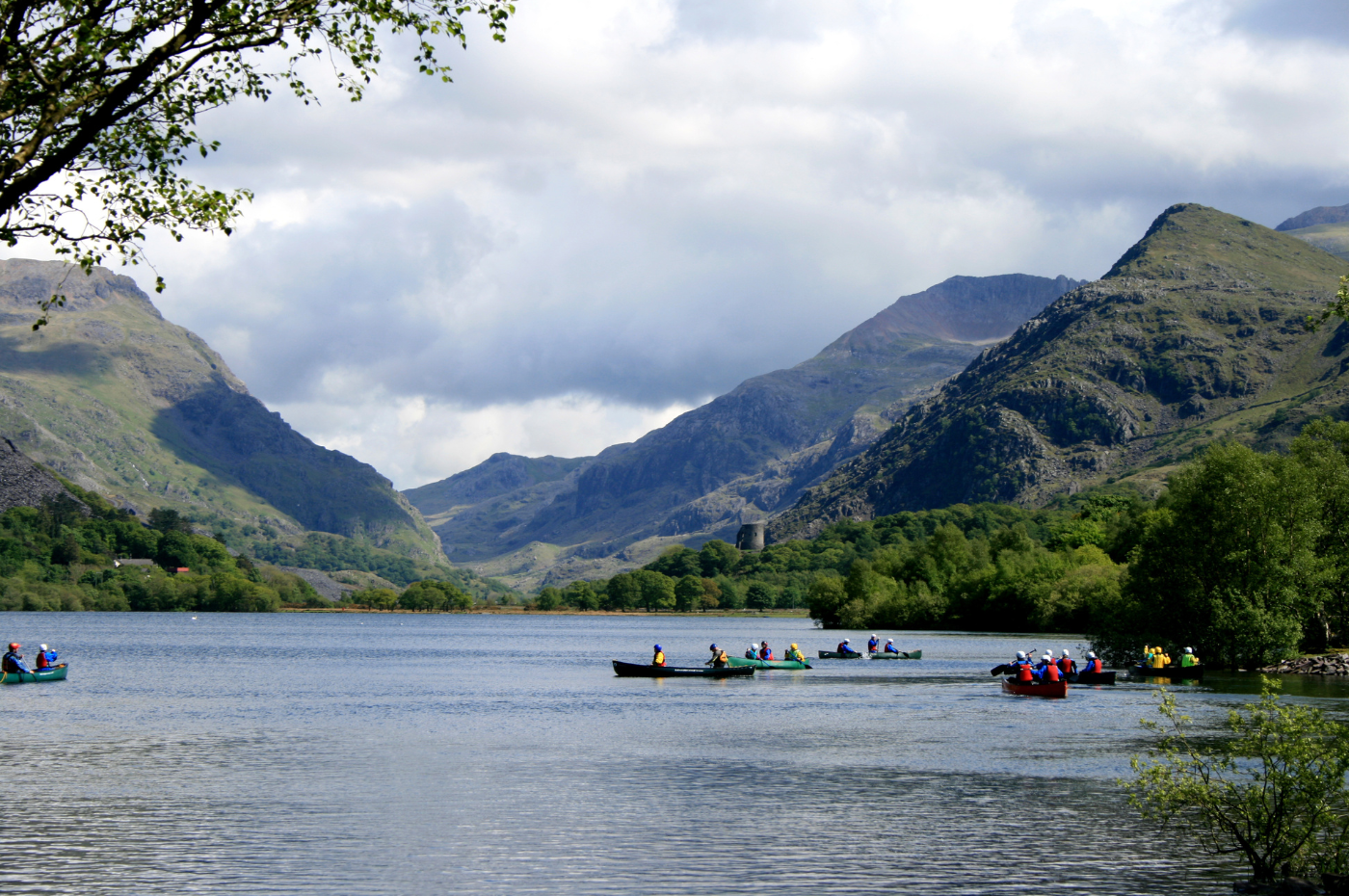
The Land Reform (Scotland) Act 2003 gives people the right to access most land and inland water in Scotland, as long as they do so responsibly. These are known as Scottish access rights.
The Rural Affairs Committee opened a call for evidence on 28 September 2026 to understand how well Scotland's outdoor access system is working and consider whether changes are needed to ensure that it is fit for the future. The Scottish Outdoor Access Code (SOAC) can be read here.
Part A of the consultation asks 4 general questions:
-
What does outdoor access in Scotland mean to you, and how important is it in your daily life?
-
What works well about the current system of outdoor access?
-
What could be improved about the current system of outdoor access?
-
Are there any barriers that prevent you, or others, from enjoying outdoor access in Scotland?
Part B of the consultation asks questions on:
- Rights and responsibilities
- The role of the SOAC and responsible access and management
- The role of ‘Access authorities’ and responsible access and management
- Key issues relating to irresponsible access and management.
- New technologies, activities and changing management practices
- Have changes over the last 21 years affected access and management practices?
- Wildfire
- Does the SOAC (and associated information campaigns) adequately strengthen public awareness of the potential for and risks of wildfire?
- NatureScot and access authorities
- Are access authorities adequately equipped and resourced to manage, protect and promote access rights?
- Dispute resolution
- Is the legal framework and process for resolving disputes, and addressing irresponsible access and management fit for purpose?
The review of the Scottish Outdoor Access Code presents an important opportunity to modernise existing guidance to reflect the changing ways in which people access and enjoy Scotland's countryside. We believe the revised Code should provide greater clarity on responsible access, address emerging recreational activities and better recognise the interests of landowners, land managers, rural businesses and local communities.
We recommend that the following areas are considered for inclusion or further clarification:
- Drones: Introduce guidance on responsible drone use, including privacy, disturbance to livestock and wildlife, and the distinction between flying over private land and taking off or landing on private property. Clarification should also be provided on when landowner permission is required and the relevant Civil Aviation Authority regulations.
- E-bikes: Include specific guidance on electric bicycles, covering safe speeds, consideration for other trail users, battery safety and journey planning. The Code should distinguish between legally compliant electrically assisted pedal cycles and modified or higher-powered vehicles that may fall outside statutory access rights.
- Wildfires and barbecues: Strengthen guidance on wildfire prevention, particularly during summer months. This should cover the dangers of disposable barbecues, responsible disposal, what to do when discovering a wildfire and the importance of understanding muirburn, including why and when it takes place and the relevant safety precautions.
- Wild swimming: Expand guidance on safe and responsible wild swimming, including cold-water shock, currents, weather conditions, swimming alone, wildlife disturbance and respect for other water users. The Outdoor Swimming Society's guidance could provide a useful reference.
- Surfing and paddleboarding: Provide clearer guidance on shared use of rivers, lochs and coastal waters, addressing potential disputes between anglers, swimmers, surfers and paddleboarders. Encourage consideration for other users, fishing activities, wildlife and water safety.
- Gardens and established access routes: Clarify the distinction between private domestic gardens and wider estate grounds, particularly where established tracks pass alongside private properties or public attractions. Guidance should help resolve disputes where landowners and local residents disagree over whether a route falls within private grounds or provides legitimate access to wider countryside and coastline.
- Recovery of shot deer: Include guidance on situations where a legally shot deer crosses a property boundary and dies on neighbouring land. Clarification of responsibilities and appropriate procedures for obtaining permission and recovering carcasses could help prevent disputes between neighbouring landowners and deer managers.
- Motorised camping: Clarify that statutory access rights do not extend to motorised vehicles and that overnight stays associated with vehicles require appropriate permission or authorised provision. Strengthen guidance on waste disposal, human waste, litter, open fires and leaving no trace. Consideration should also be given to better designated overnight facilities and appropriate enforcement measures.
Further improvements should address responsible dog ownership, particularly around livestock and during lambing; public access during agricultural, forestry and deer-management operations; disturbance to ground-nesting birds and sensitive habitats; and the responsible disposal of litter and human waste.
Ultimately, the revised Code must recognise that Scotland's countryside is not simply a recreational space but also a working environment supporting agriculture, forestry, gamekeeping, deer management and rural businesses. Public access rights must be balanced with the legitimate interests of those who own, manage and work on the land.
We would encourage NatureScot to work closely with rural organisations, landowners, land managers, recreational bodies and local communities to ensure the revised Code is practical, comprehensive and reflective of the realities of rural Scotland. Greater emphasis should be placed on responsible behaviour, mutual respect and preventing conflict between different countryside users.
Responsible access must be a shared responsibility. Those enjoying Scotland's outdoors should understand not only their rights, but also the importance of respecting the people, businesses, wildlife and landscapes that make the countryside what it is.
The Scottish Countryside Alliance are currently writing a response to this consultation, which will be published in due course. Submit your own response here before the closing date of 23 November: Outdoor access - Respond now

 09 November, 2026