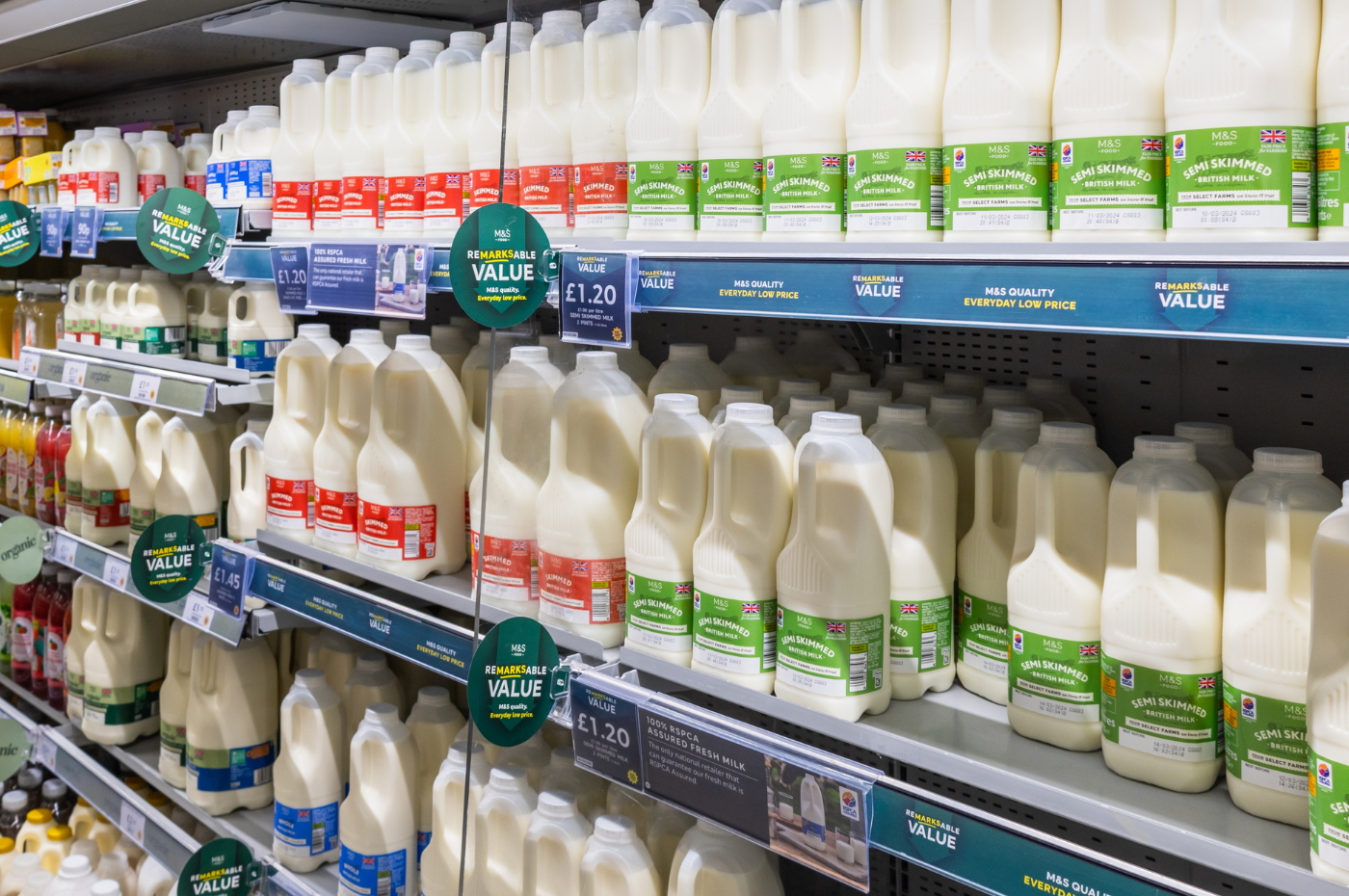
The Scottish Government opened a call for evidence on 1 September 2026 to gather views on a proposal to implement a price cap on up to 50 “essential” food items. This price cap was first pledged in the SNP 2026 election manifesto as a way to help households during the cost of living crisis. The full consultation paper can be read here: Price Controls on Essential Food Items: Consultation Paper
This consultation proposes to include large supermarkets where more than 50% of annual turnover is from the sale of grocery items, they employ more than 250 staff, and total annual turnover is more than £250 million per annum.
Qualifying retailers offering price capped “essential” items will have to follow a number of regulations:
- Where a retailer offers for sale one of those products in a store or online, they would be under a duty to sell at least one brand of that product at or below the price cap.
- The retailer could choose which particular product to use to meet the duty, as long as it meets the description of the product as set out in Regulations.
- If the price capped product were to run out, the retailer would have to substitute it with another brand of that product at or under the price cap (if an alternative is available and on sale to customers), otherwise they could be in breach of the duty.
- The retailer could also sell price capped products for a price which is lower than the cap.
- It would not be possible for a retailer to meet their duty by requiring a consumer to buy multiple or associated promotional items before the price applies, i.e. under a “3 for the price of 2” offer.
- Retailers will not be obliged to stock price capped products. The duty would only apply to price capped products where they are actually offered for sale.
The consultation is gathering responses to determine a finalised list of up to 50 “essential” items. This list will likely be from a supermarket's “own brand” line of groceries, due to the lower price point for these products. Toiletries, cleaning products and alcoholic drinks will not be included on the list.
It remains to be seen what the Scottish government will propose in the final version of the price cap scheme, as current details remain unclear. We, alongside a number of other stakeholder organisations, have concerns about whether forcing a price cap on items will create shortages in these particular food products, especially in rural areas where consumers may already have more limited access to food retailers. There are also concerns that convenience stores operating under a franchise or symbol model may be subject to this price cap scheme if their overall parent business meets the size criteria outlined in paragraph 2 above.
Price caps on essential grocery items could also have unintended consequences further along the food supply chain. Supermarkets may seek to recover additional costs by increasing the prices of other products, sourcing lower-cost or lower-quality alternatives, or increasing reliance on imported food.
There is also a risk that the financial pressure could be passed back to primary producers through demands for lower farm-gate prices. For producers already operating on tight margins, further reductions in the prices they receive could place significant additional pressure on their businesses, threatening their financial viability and potentially undermining the long-term resilience of Scotland’s domestic food production.
The Scottish Countryside Alliance are currently writing a response to this consultation, which will be published in due course. Submit your own response here before the closing date of 24 November: Price controls on essential food items: draft legislative provisions - Scottish Government consultations - Citizen Space

 30 September, 2026