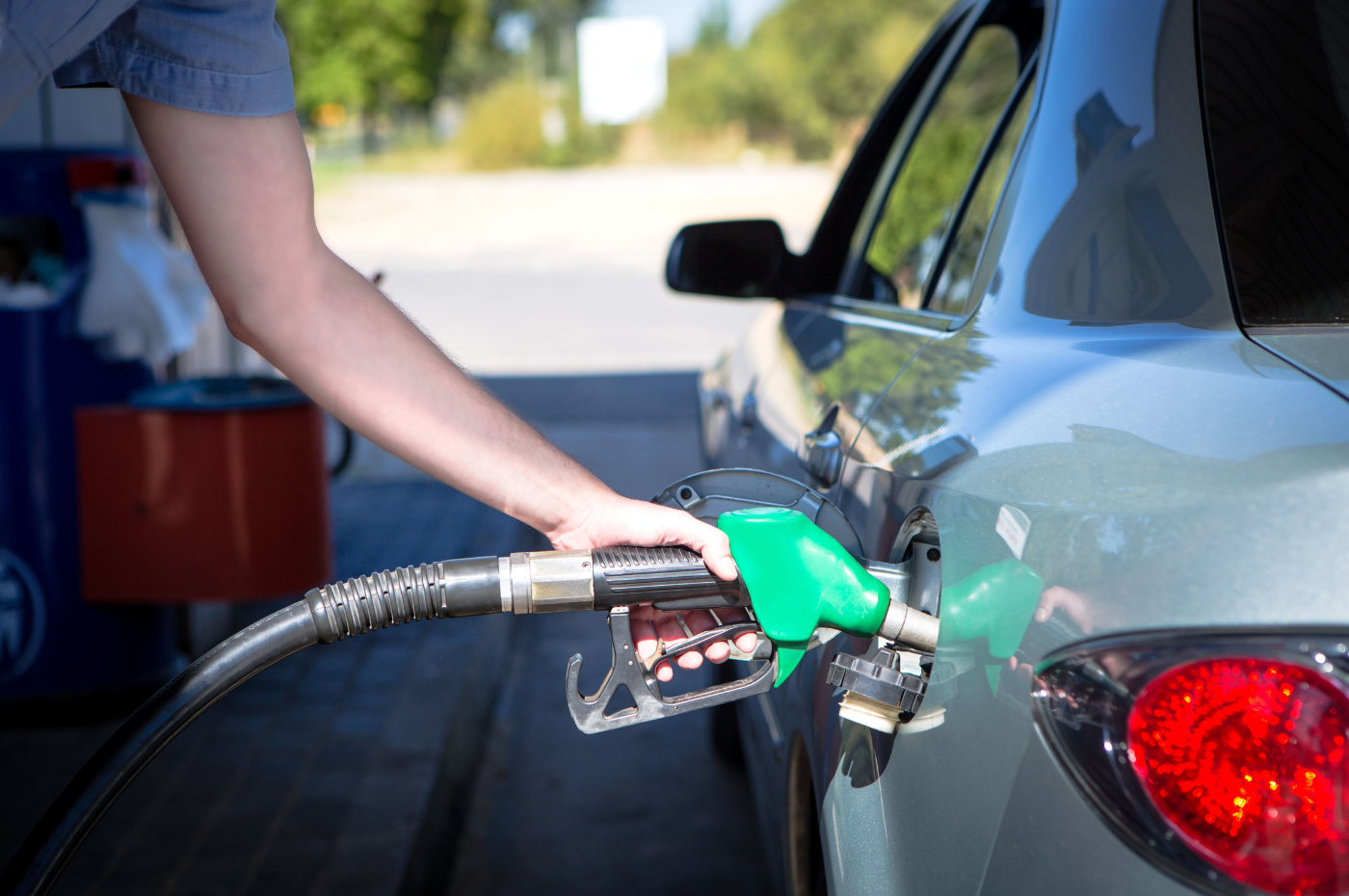
Fuel prices look set to rise again and rural communities are likely to feel the impact more than most. Instability in the Middle East has pushed up global oil prices, raising fears of supply disruption. When oil prices rise internationally, the cost of petrol, diesel and heating oil in the UK tends to follow quickly.
In towns and cities, people have choices when fuel prices increase: public transport, shorter journeys, services located close to home. In the countryside, those options rarely exist.
For rural residents, the car is essential. People travel significant distances to get to work, take children to school, attend medical appointments or do their weekly shopping, often with no viable public transport alternative. Rural households cannot simply choose to drive less when prices rise; they must absorb the additional cost.
In addition, a large proportion of rural homes are not connected to the mains gas grid and rely instead on heating oil, LPG or other off-grid fuels. When prices rise suddenly, households face a difficult choice: refill at a much higher cost, or risk running out of heating altogether.
Unlike mains gas customers, off-grid households cannot spread payments through monthly billing or benefit from consumer protections built into the energy price cap. For many rural families, heating is already one of their largest household expenses - a sharp rise in oil prices makes that burden heavier still.
Higher fuel costs will also hit rural businesses hard. Agriculture, food production, tourism and small rural enterprises all depend heavily on diesel for machinery, vehicles and supply chains. When fuel prices increase, the cost of producing and transporting goods rises too, squeezing margins at a time when many are already under significant financial pressure. In remote communities, where supply chains are longer, rising fuel costs feed quickly into the prices people pay locally.
Rural areas already carry higher day-to-day costs than urban ones - higher transport costs, limited competition between service providers and the additional expense of off-grid heating. Rising fuel prices intensify all of these pressures, particularly for families on tight budgets and older residents who are more likely to rely on heating oil.
The government cannot control global oil markets, but it can ensure rural communities are not disproportionately affected when prices surge. That means targeted support for off-grid households when heating oil prices spike, a review of whether fuel duty policy adequately reflects the realities of rural life and long-term investment in rural transport and community transport schemes.
Rising fuel costs affect everyone - but not equally. Rural households travel further, rely more heavily on their vehicles and are more likely to depend on off-grid heating. That combination leaves them particularly exposed. If costs continue to climb, rural communities will once again find themselves on the front line of the cost-of-living challenge and the government must respond accordingly.

 05 March, 2026