The Countryside Alliance has warned the two bodies chiefly responsible for the Countryside Code that more needs to be done to combat risky behaviour involving animals in pursuit of social media clout.
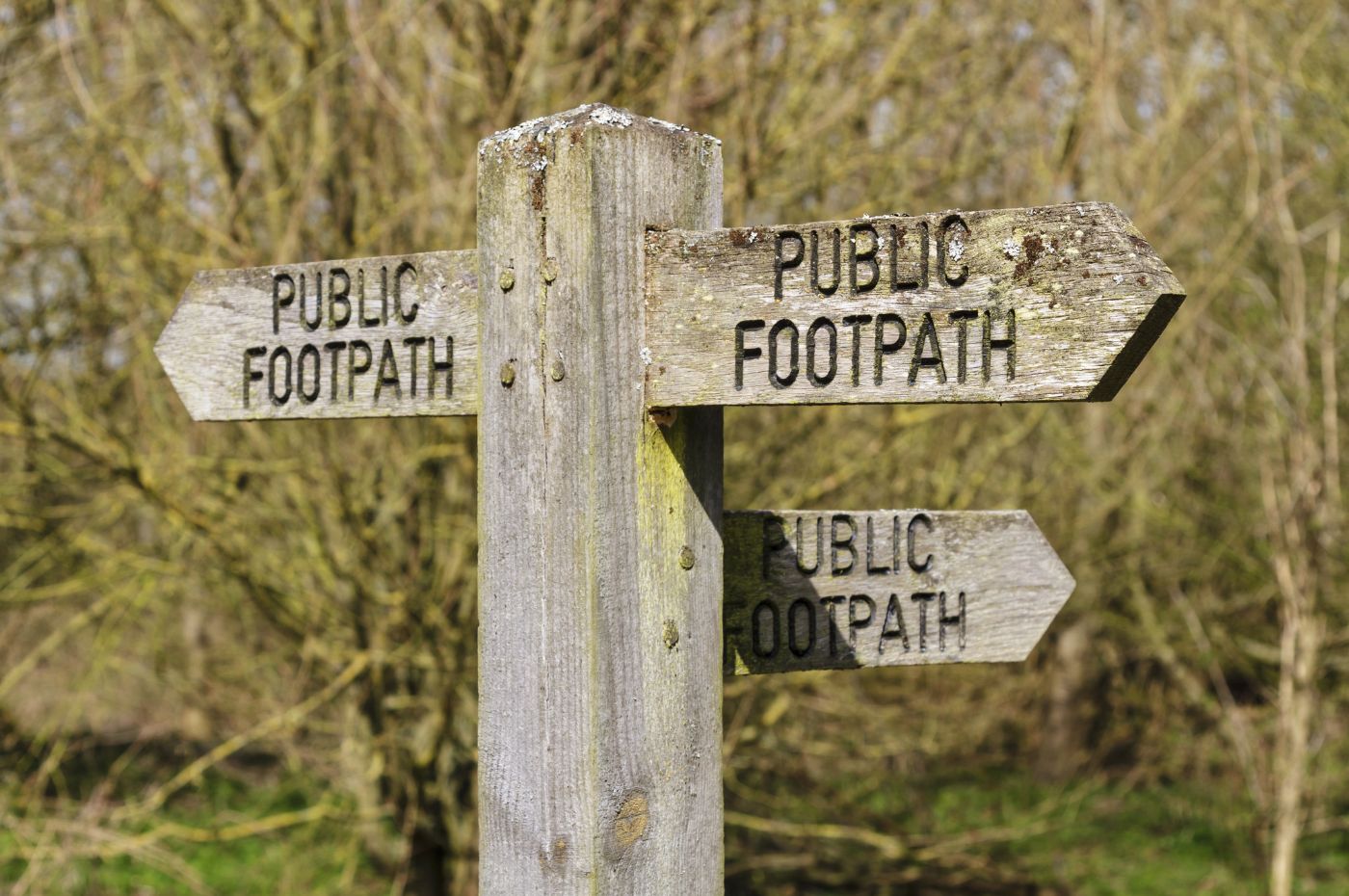
Natural England and Natural Resources Wales, the two bodies charged in law for developing and promoting the Code, are carrying out an online survey seeking views on how effectively it is being promoted. The Countryside Alliance took the opportunity to argue that promotional efforts should target social media, to address a worrying trend of users acting dangerously around animals while attempting to produce shareable content. Heightened awareness of the Countryside Code, in particular its provisions on farms and livestock, can and should prevent this behaviour.
In a high-profile case from 2023, a farmer on the Gower Peninsula alleged that people taking ‘selfies’ had caused a new-born foal to trip and fall to its death from a cliff. In 2021, we warned about the danger of feeding horses without the farmer’s supervision after a pony died from suffocation after eating raw potato peels. More recently David Bean, Parliament and Government Relations Manager for the Countryside Alliance, learned of another concerning trend:
“My fiancée and I were visiting some highland cattle at a petting farm in Fife when the farmer warned us against touching the cattle on the nose. She told us she had had trouble with people trying to ‘boop’ her cows for the sake of videos to be posted to social media, not realising that the concentration of nerve endings in a cow’s nose make it highly sensitive. One of the animals was still skittish about being approached from the front months later.
“Many animals have no problem with being ‘booped’; pet owners will quickly learn whether their animal finds it annoying or a healthy bonding experience. But farm animals are not pets, and they should not be approached or touched unless it’s with the express agreement and under the direction of the farmer.”
Responding to the Gower incident the Countryside Alliance called for the Countryside Code to be updated to include specific reference to amateur photographers and videographers producing content, often on the spur of the moment. The current survey does not suggest that any changes to the Code are being considered, so our response has followed its purpose by discussing how these trends can be combated by focusing efforts on the place where this new problem has arisen: social media.
It is unlikely that many of those making risky social media content involving livestock and wildlife mean any harm, and plenty of excellent content can readily and safely be made in the countryside. Natural England, Natural Resources Wales and other promoters of the Countryside Code should concentrate on its core purpose of educating people about safe and proper conduct. To be effective, they should concentrate on the medium where that important audience is.
This story first appeared in The Express on Saturday 20 September, 2025. You can view this article here.

 22 September, 2025



.png)