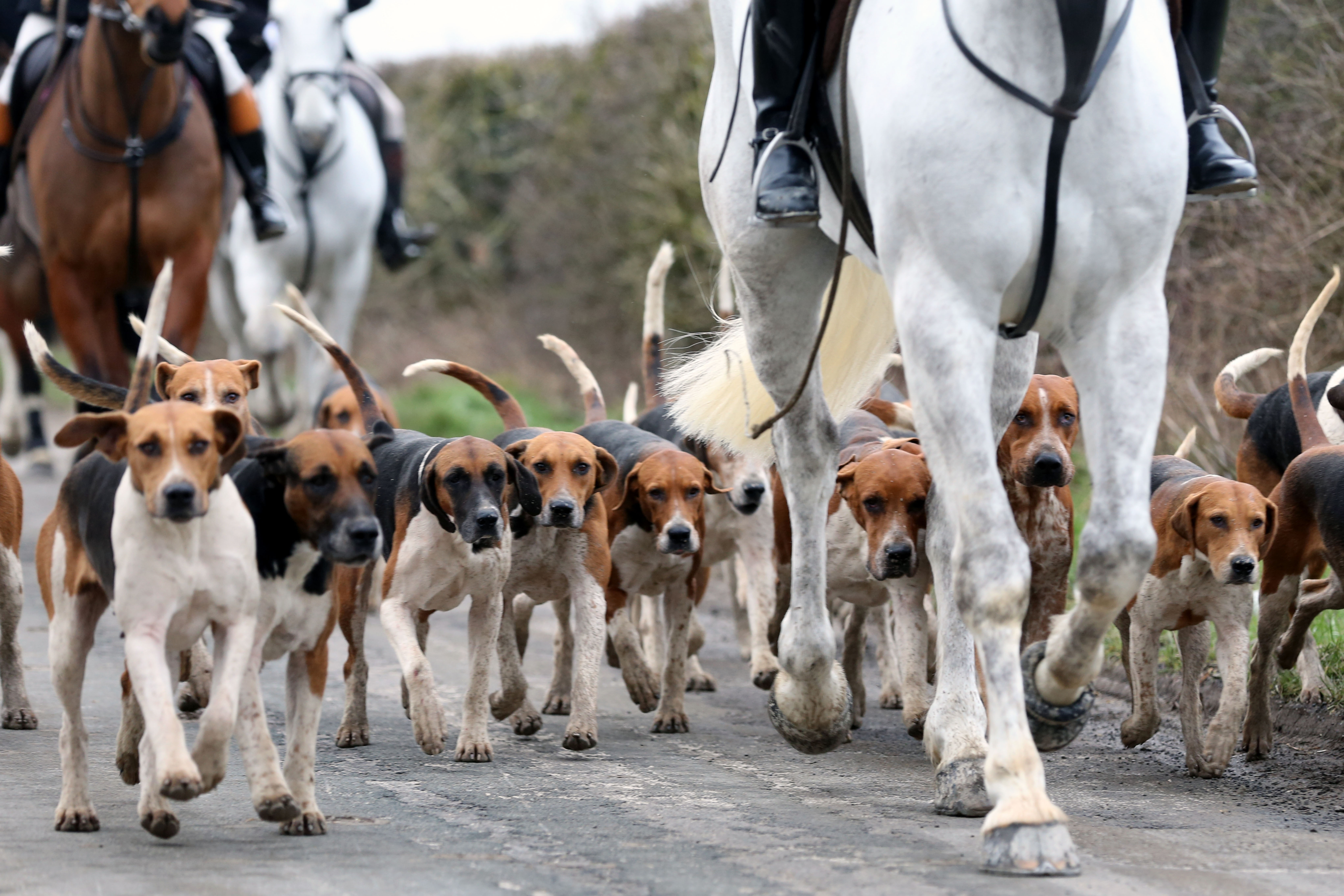
Supporters of Stormont's Hunting with Dogs Bill insist that ordinary dog owners have nothing to fear. They argue the legislation is aimed solely at organised hunting and dismiss concerns about unintended consequences as scaremongering.
If that is truly the case, a simple question follows: why are those assurances not written into the Bill itself?
As Director of Countryside Alliance Ireland, I make no apology for supporting hunting. Despite being a shooter, I believe hunting with dogs remains an important part of rural life, maintaining balanced ecosystems, controlling pests (such as foxes) and protecting livestock and game. But this debate is now about more than hunting despite the Bills sponsors narrative. It is about whether Stormont is producing clear, workable law and whether its scrutiny process is doing the job the public expects.
The Bill creates criminal offences carrying penalties of up to five years in prison and unlimited fines. In serious cases, the Crown Court could impose financial penalties with no statutory upper limit, as the Bill simply refers to “a fine”, leaving the amount entirely to judicial discretion. Yet key terms such as “searching for”, “pursuing” and “participation” remain broad and undefined.
That lack of clarity should concern everyone.
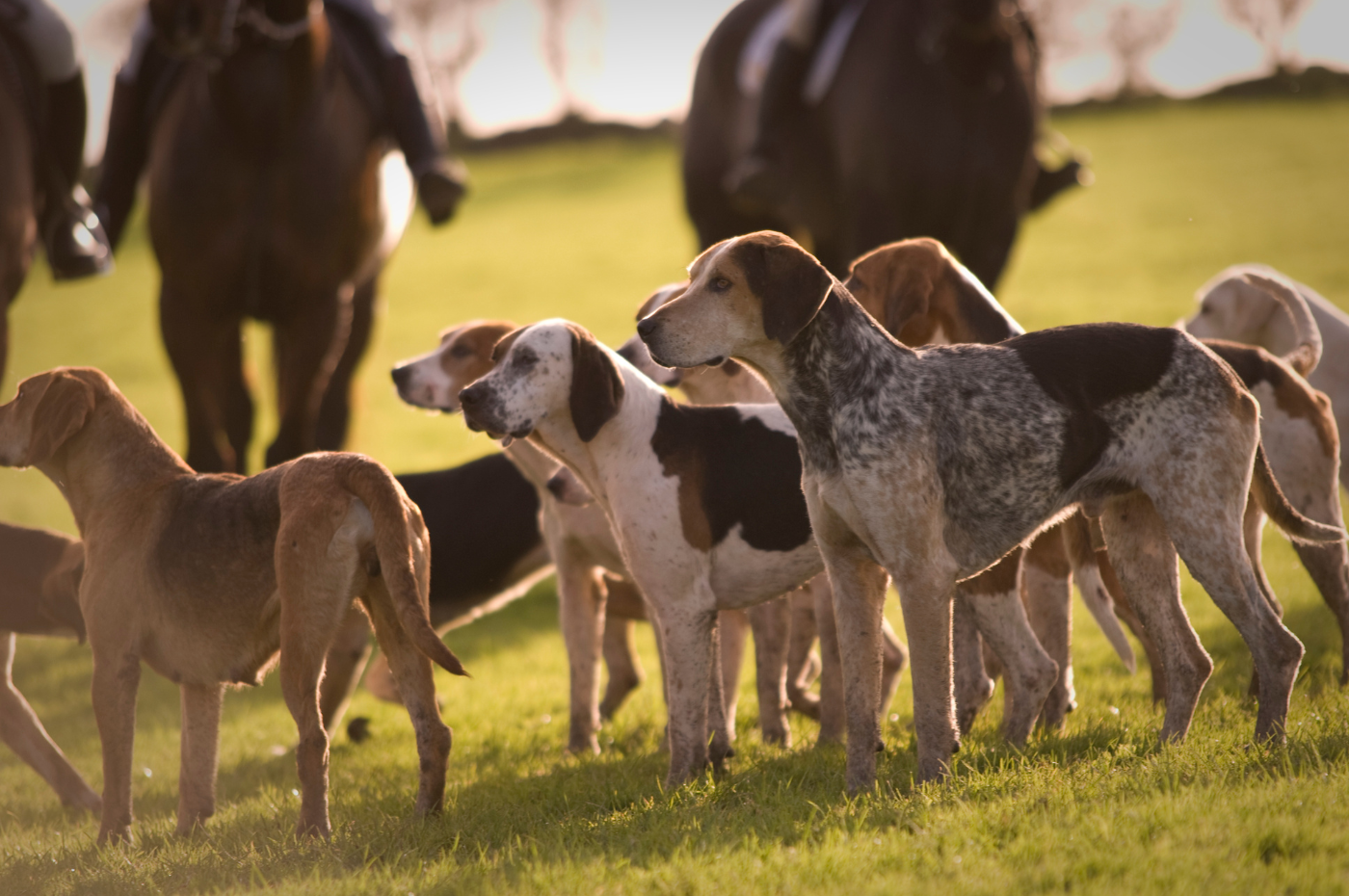
What happens when a working spaniel picks up a scent during exercise or training? What happens when a terrier or other dog instinctively chases a fox? What about gundogs working in the field where wildlife (mammals) inevitably is disturbed? Will other ordinary countryside activities be drawn into criminal investigation?
Legal opinion has already raised concerns. John Larkin KC has noted that the definition of “participation” could leave ordinary dog owners exposed, suggesting that even a dog unexpectedly chasing a rabbit on a walk could potentially be interpreted as involvement in hunting. Whether intended or not, it highlights the legal uncertainty created by vague drafting.
Supporters of the Bill argue such concerns are exaggerated. But law is judged and enforced on its wording, not by political assurances or explanatory material.
That is precisely why Committee Stage and the Call for Evidence exist: to test legislation properly before it becomes law. On that test, Stormont’s Call for Evidence falls short.
It is entirely possible to oppose hunting while still concluding this Bill is poorly drafted. It is equally possible to support animal welfare while insisting that criminal law must be precise, workable and fair.
Yet many concerns raised by MLAs during Second Reading are missing. There is little examination of what “searching for” or “pursuing” means in practice, whether intent should be required for offences, or whether five-year prison sentences are proportionate. Issues around enforcement capacity, policing resources, rural impacts, and scrutiny by other committees are also largely absent.
The accompanying explanatory material goes further, presenting disputed interpretations as fact, including claims about accidental pursuit and exemptions. These remain central points of legal concern, not settled conclusions. Dog owners reading the call for evidence would believe they will not be affected by this Bill when as mentioned above John Larkin KC makes it clear they could be open prosecution meaning they may respond differently to the call for evidence.
Public Calls for Evidence are not meant to confirm decisions already made. They exist to test legislation and expose weaknesses.
A process that assumes the Bill is already correct and does not highlight what is disputed risks missing that purpose entirely. Given the concerns at second reading the Assembly should have considered an independent Report of hunting with dogs for Northern Ireland or at least seeking independent legal advice and clarity on the Bill on the issues raised at second reading and by John Larkin KC before moving to the call for evidence and ensuring all statutory obligations had been met and published. That way respondents could take part fully understanding the potential implications.
Countryside Alliance Ireland has raised these concerns with the AERA Committee. No law should fear scrutiny. Despite there being no factual basis for the Bill and there being a perfect good solution in the 1972 wording. John believes CAI want to talk about anything but the matter in hand. But that’s exactly what we are doing talking about the matter in hand, the impact of the Bill if concerns about clarity and unintended consequences, costs, human rights etc are ignored, Stormont risks creating uncertainty for everybody and further undermining public confidence in it being able to pass law.
Because once legislation is passed, intentions matter far less than the words on the page.
And at present, both the Bill and its scrutiny process leave too many questions unanswered.

 07 July, 2026