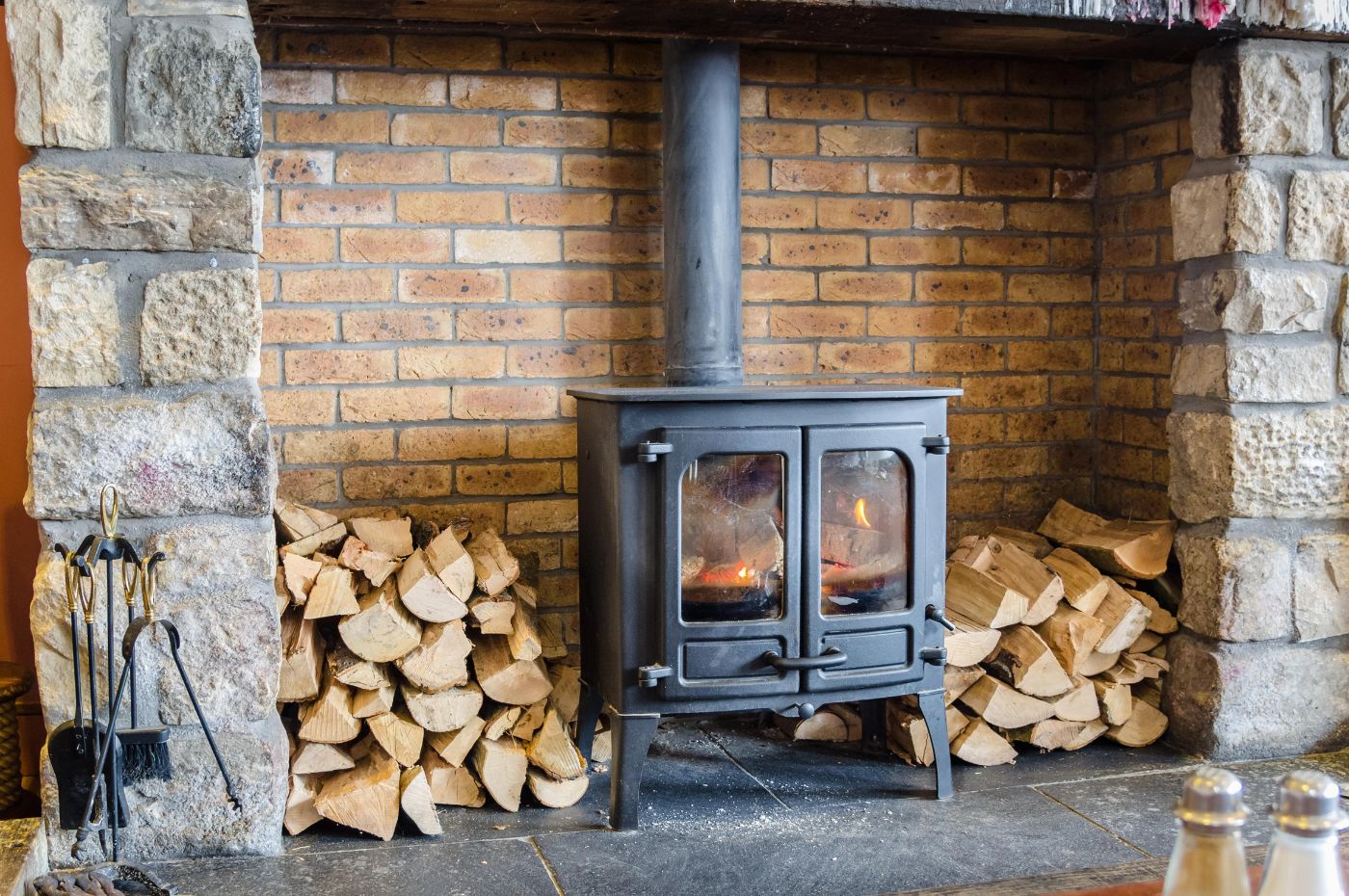
The Countryside Alliance has raised concerns over the government’s new Environmental Improvement Plan (EIP) proposals to impose stricter regulations on wood-burning stoves, a crucial heating source for many rural households.
Under the plan announced by Environment Secretary Emma Reynolds, the UK aims to tighten air pollution targets to match upcoming EU standards, focusing on PM2.5 particulate matter - tiny airborne particles that include soot from wood and coal stove. While reducing harmful emissions is important for public health, the new rules could have unintended consequences for off-grid and rural communities who rely on these stoves for heat.
Sarah Lee, Director of Policy at the Countryside Alliance, commented on the issue:
“Rural households rely on wood burning stoves as an affordable, reliable source of heat. Tightening emissions standards without practical support could force many off-grid homes into costly or unavailable alternatives. The Government must recognise rural heating realities, provide fair exemptions and realistic transition timelines, ensuring that new rules do not leave countryside communities in the cold.”
While Defra has clarified that no immediate ban on existing stoves is planned, proposals for stricter controls on fuels and expanded smoke control areas could, in practice, effectively restrict their use of older wood-burning stoves, mirroring controversial decisions seen in Scotland that were later rolled back after rural backlash.
Industry groups such as HETAS, which certifies wood-burning stoves, say many modern appliances already meet the Cleaner Choice standards and could comply with the proposed targets. However, older stoves, widely used in rural homes, may face significant challenges under tighter regulations.
The Countryside Alliance is calling on the government to carry out a “Rural Community Impact Assessment”, as outlined in its report "Reconnecting the government with the countryside". Such an assessment would evaluate whether these proposals genuinely serve rural needs or risk pushing households into hardship. At present, the Alliance argues, these plans would likely fail such an assessment, given the lack of practical, affordable alternatives for many rural homes.
The EIP also covers other environmental initiatives, including landscape restoration, wildlife habitat creation, and accelerating the switch to electric vehicles. But for many rural households, the immediate concern remains access to reliable, affordable heating - a lifeline in areas without mains gas.
The Countryside Alliance will be responding to the consultation, urging the government to recognise the realities of rural life, introduce practical exemptions and adopt realistic transition timelines. Without these measures the organisation warns that countryside communities risk being left behind in the drive to cut emissions.

 01 December, 2025