This article initially appeared in Sea Angler's July 2025 issue.
Being born in the Southwest of Scotland, from an early age I had access to some of the best inshore fishing available in the UK. I still have pictures of my dad and his dad holding huge Tope, Cod and buckets full of Mackerel in Whithorn at around the time I was born in 1979.
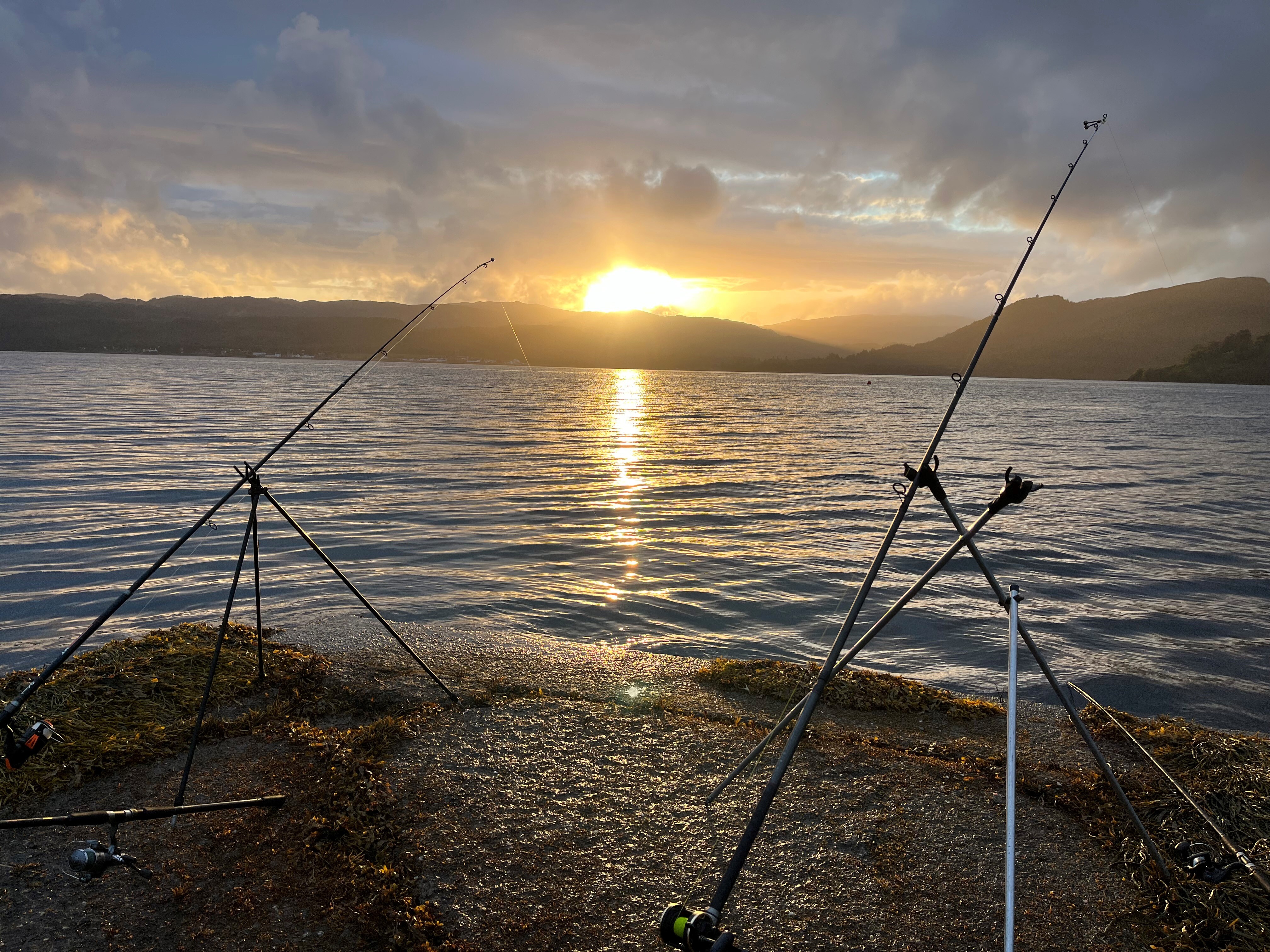
Moving to Port Logan at the age of 6, I fished from both boat and shore, recording anywhere from 6 to 16 species in a single day and usually only kept what I would cook on a beach fire or take home to the freezer. I paid for my Sea Angler Magazine subscription by selling fresh Mackerel to holiday makers in the picnic area and any money left over would go towards new tackle. The rest I would forage for as the tide dropped and visiting anglers left the pier having lost their last trace. In my early teens I could often be seen (just) a mile out in a rowing boat having the time of my life.
This kind of upbringing has created such a strong love of coastal living for me, and this is something that I am very happy to have passed on to my daughter Ettie. She is 7 years old and, at the time of writing, is 4 fish ahead of me for the year. She also caught her first fish on a fly rod just a few weeks ago and so has clearly got the bug. Could all this be coming to an abrupt end, though?
Our UK coastal areas depend largely on fishing and agriculture to survive. In South-West Scotland, The Mull of Galloway Sea Angling Festival has become one of the biggest events in the UK’s angling calendar. It brings in vital revenue for the local (and extremely rural) economy and has put a long-forgotten corner of Scotland on the map. Local businesses, from cafés to fuel stations, all benefit, but this is now potentially under threat.
A recent report published by the Scottish Animal Welfare Committee (SAWC) has suggested that fish should be given the same welfare considerations as other sentient animals. The report states that the public do not see fish as creatures with feelings - “Humans may have different affective responses to fish, for example, they may be seen as less ‘cute’ than some other species or because of particular human affective responses to species such as sharks”.
The majority of us already practice high levels of care and welfare when fishing. We have minimum size regulations when targeting fish and are sensitive to seasonal restraint in many cases. The majority of recreational anglers do not want to jeopardise the welfare of any fish being returned or their beloved pastime being adversely affected by intentionally harming any fish they have caught. We advocate for self-regulation and continued improvement, but what if The Scottish Government decide to act on the SAWC report, as they have done previously within the hunting and shooting industry? A heavy-handed approach by the Scottish Government is not the way forward and the potential introduction of what could be devastating legislation for our way of life may follow. Just imagine the impact if we are told that we are no longer allowed to fish for recreational purposes and only commercial outfits can operate as they are not fishing for sport.
The sea fishing industry employs around 4,000 people in Scotland and brings in £335m into the economy north of the border. A good percentage of this is made up of recreational angling and business contributions, such as tackle shops and charter boats. Our commercial fleet has also taken a battering of late with Labour using our waters as a bargaining chip when overly restrictive contracts were about to come to an end. Not only are commercial fishing fleets having to contend with revised fishing rights imposed by the UK government, SAWC have suggested that all catches should be individually counted! A preposterous idea, which does not take into account by-catch rules imposed by Marine Scotland or the additional expense from new machinery onboard vessels to count the fish being landed.
In addition, we cannot underestimate the positive impact that recreational fishing has on the mental health and wellbeing of anglers, with the effect during the Covid pandemic proving to be significant. Angling was permitted at the time as it was recognised as a real health benefit. It is well known that fishing is a healthy outdoor activity, improving mental well-being, increased social interaction and allows us to be at one with nature in the great outdoors.
Whilst we agree that fish are sentient creatures, attempting to impose restrictions on an already heavily impacted industry is not the way forward. With the Scottish elections looming in 2026, the SNP Government would be wise to think long and hard before imposing further legislation on the fishing industry and throwing yet another rural sector under the bus. My organisation will be meeting with MSP’s and Ministers in the coming months in an attempt to halt this before it gains traction and it is worth remembering that what is introduced in Scotland, quite often filters South via Westminster. This is something I will be keeping a very close eye on.

 21 July, 2025