Last night I found myself in the rarefied surroundings of the Arts Club in Mayfair discussing rewilding with a panel that included Isabella Tree of Knepp fame, author and rainforest campaigner Merlin Hanbury-Tenison, and agricultural diplomat Dr Kevin Parris. The debate was chaired by William Sitwell, whose talents as a restaurant critic are perhaps better known than his expertise in land management. It was an engaging evening, but one that highlighted a central problem with the rewilding movement: how detached much of the conversation has become from the realities of rural life.
My concerns are not primarily about the muddled definition of rewilding itself, although the term now seems to cover everything from habitat restoration and regenerative farming to the reintroduction of lost species and the wholesale abandonment of agricultural land. Nor is my objection rooted in hostility to projects that achieve genuine conservation gains. Quite the opposite. Some of the schemes operating under the rewilding banner are hugely impressive and have achieved extraordinary things. Knepp, for instance, has undoubtedly transformed biodiversity on a previously nature depleted estate and Isabella and Charlie Burrell deserve credit for taking a bold and imaginative approach to land use.
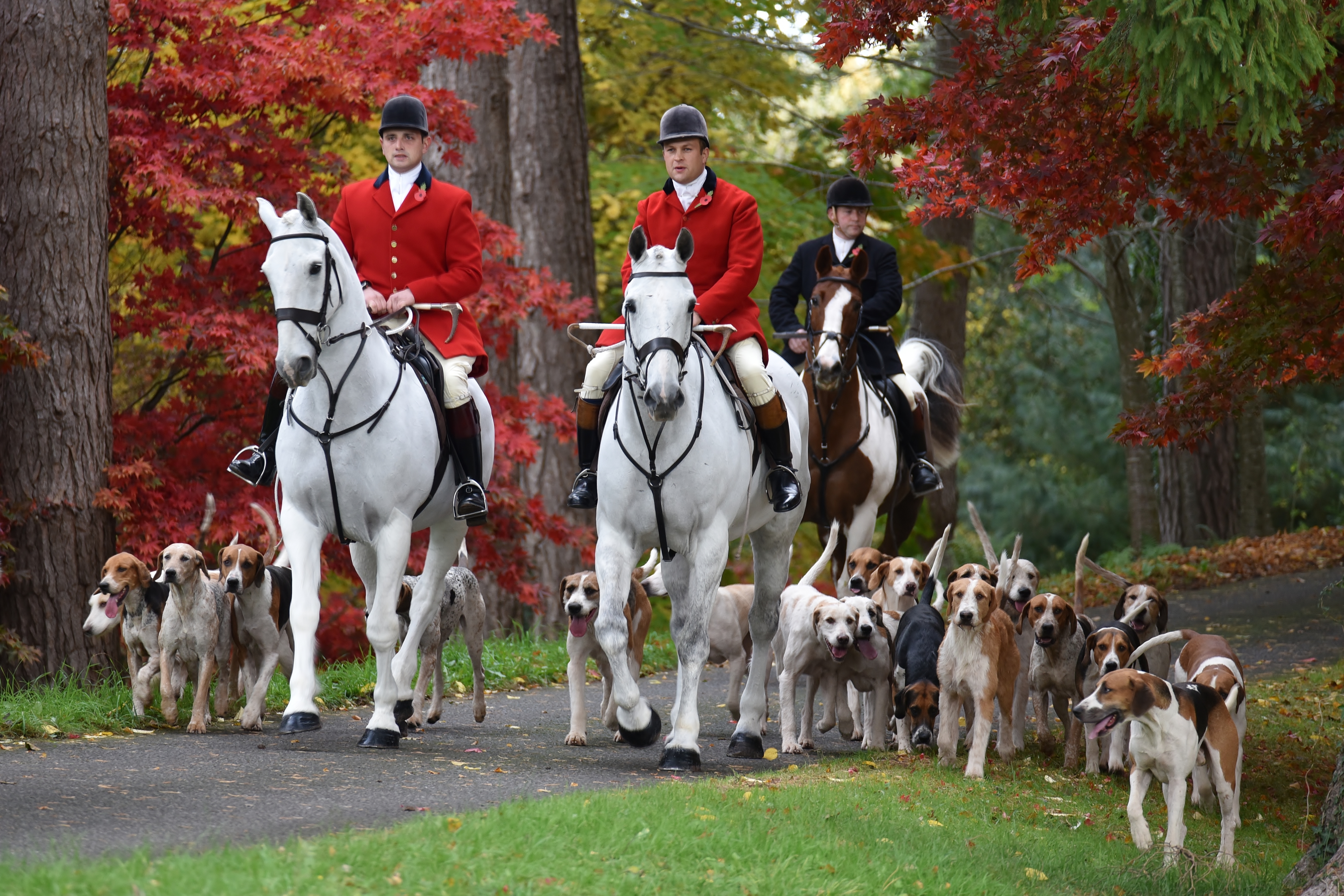
Those of us involved in country sports have long understood the value of wild land for wildlife. William the Conqueror effectively “rewilded” vast tracts of Hampshire when he created the New Forest as a royal hunting ground nearly a thousand years ago. Victorian landowners preserved moors, woods and wetlands in the interests of shooting, safeguarding habitats long before the rise of modern environmentalism. That tradition continues and my own wildfowling club includes a managed retreat on the Essex coast where the sea wall has been breached to allow saltmarsh habitat to regenerate naturally. Some might call it rewilding; we call it habitat management for duck shooting.
My greatest concern with rewilding is not the practice, it is the language, the tone and the underlying arrogance. It is this that alienates so many farmers, gamekeepers and land managers from constructive conversations about nature recovery. At its core, rewilding implies the withdrawal of human management and the idea that ecosystems function best when left alone. To many people who have spent generations farming, grazing, conserving and managing land, that message is a declaration that their livelihoods, traditions and expertise are obsolete.
When activists backed by some of the richest people on the planet attempt to impose their vision on close knit farming communities, the negative reaction should surprise nobody. Rural people are unlikely to embrace a vision of the future that dismisses the achievements of past generations, ignores their contribution to society and offers little for the future beyond tourism jobs and Airbnb rentals.
For years I have argued that the term “rewilding” itself does more harm than good. Headlines in The Guardian may go down well in Mayfair, but they do little to build trust in places like Cumbria, mid-Wales or the Scottish Highlands and the word itself has become toxic in much of the countryside. If the aim is genuine progress on biodiversity and tackling climate change, then we must start speaking the language of partnership, stewardship and shared purpose. The obvious first step is to drop the term rewilding altogether. Until there is a better story for rural people, nature restoration projects will continue to face resistance across much of rural Britain - and that will be a loss for nature, for farmers and for all of us.

 21 May, 2026


.png)