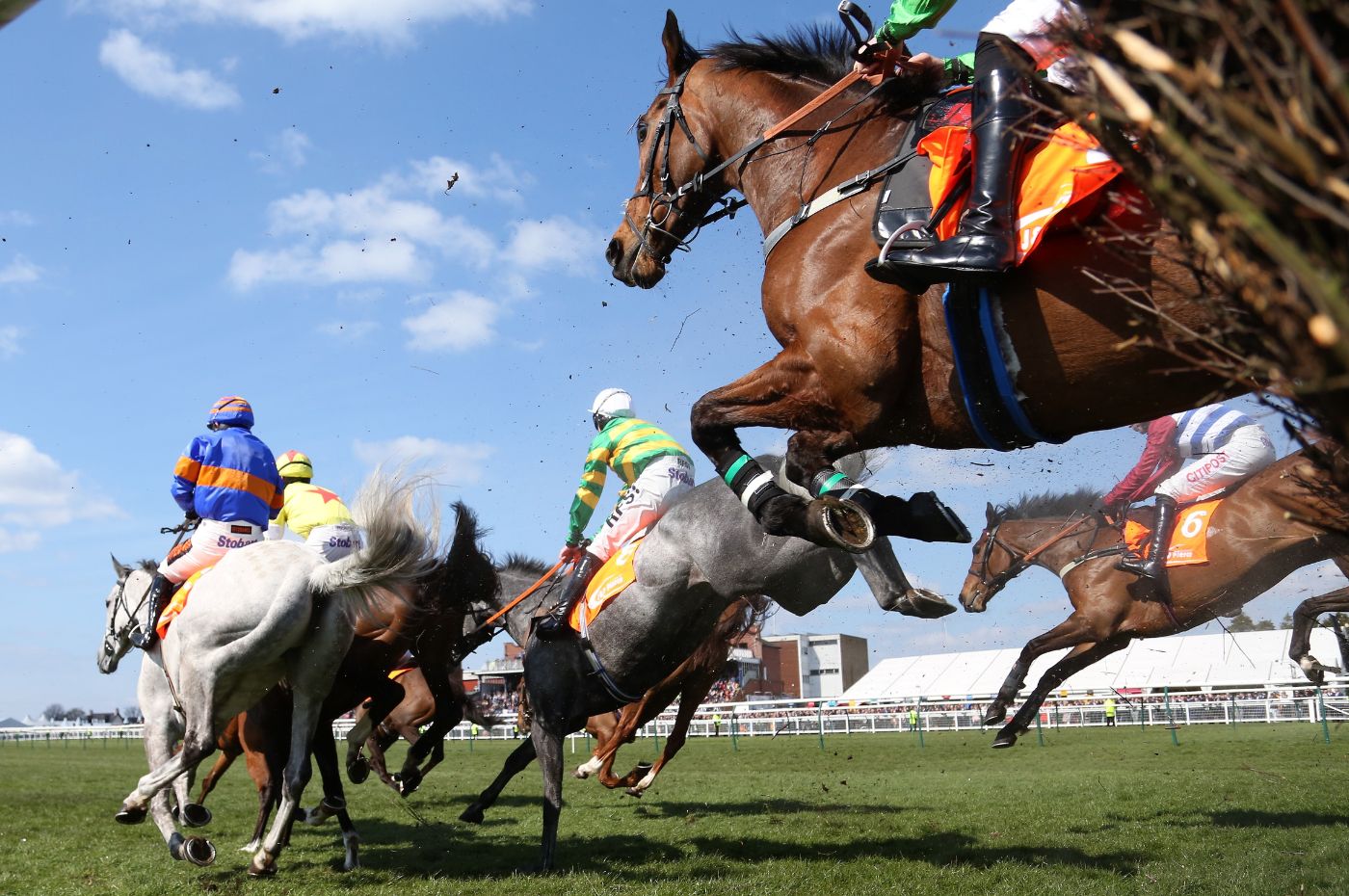
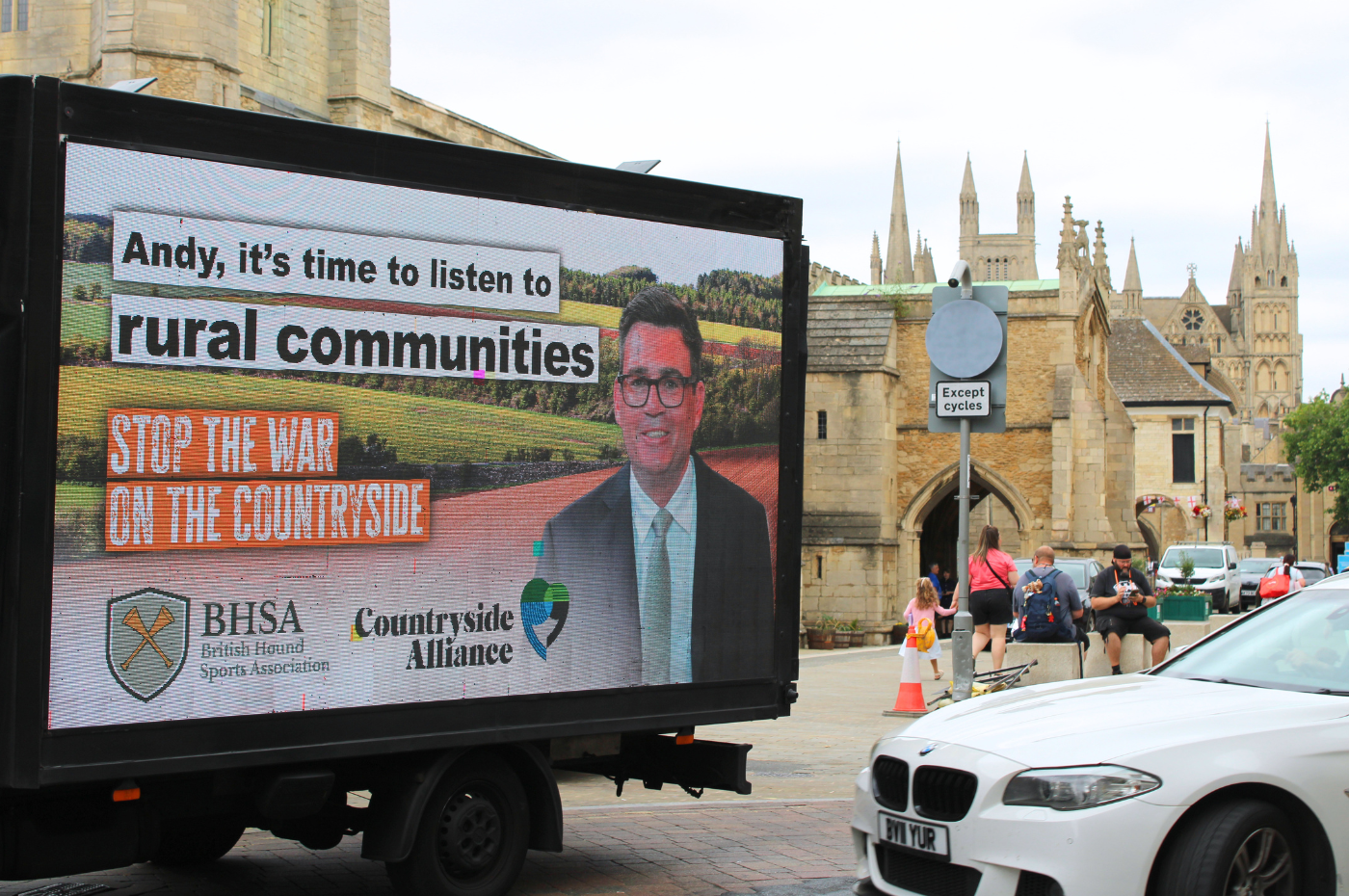
Horse racing, like many other predominantly rural industries, mostly just wants to be left alone by government. Eighty-five thousand people work in racing yards, on studs, for racecourses and in many other jobs reliant on the great sport which contributes billions of pounds to the economy. Little has ever been asked of government other than to referee between racing and the bookmakers over their contribution which underpins the industry by supporting prize money. The situation is different in Ireland where racing and breeding receive significant direct exchequer support.
Yet, in recent years, racing has become increasingly embroiled in political battles which threaten its future. These mainly stem from its relationship with betting and increasing concern about the social impact of gambling. Gambling is undoubtedly addictive for some people, but there is little evidence that racing is a major contributor to the social ills that undoubtedly flow from gambling addiction. Research actually shows that forms of betting with rapid, repeated betting cycles, immediate feedback and continuous play are much more likely to feed addiction. Slot machines and online casino games fulfil these criteria, whilst gambling on horse racing and lotteries are much less likely to lead to problem gambling.
Yet, the last government set in train policies which have led to a series of intrusive affordability checks for gamblers, including those betting on horse racing. If you lose just £150 in a rolling 30-day period your bookmaker must already carry out a ‘financial vulnerability check’ and the government’s agency, the Gambling Commission, is now threatening to introduce ‘financial risk assessments’ for higher spending gamblers.
The impact of such regulation is entirely predictable. Recorded betting turnover is falling as people face barriers to having a bet or take to using unregulated bookmakers operating in the black market who give nothing back in terms of tax or levy for racing. The British Horseracing Authority (BHA) has reported that regulated betting turnover fell by 6.8% in 2024, which is a 16.5% downturn on 2022. It would be naïve to think that the millions of pounds those percentage points represent have not been bet, but the one thing that is certain is that it has not been gambled in a way which benefits racing or the taxpayer.
Even one of the leading advocates for gambling reform and affordability checks, Dr James Noyes of the Social Market Foundation, has called on the Secretary of State, Lisa Nandy, to pause the implementation of a new tranche of checks saying that the government “has a duty to listen to the BHA’s warnings and to act accordingly, in order to protect such an important part of British cultural and social life.”
The current government may not have created this problem, but it cannot rely on that to avoid responsibility. If Labour stands by and allows the Gambling Commission to devastate a key rural industry it will have to answer for its inaction.

 07 May, 2026