I bow to no one in my admiration for Winston Churchill, but the suggestion that replacing him on the £5 note with a yet to be chosen wild animal is ‘erasing our history’ is po-faced nonsense. After all, our greatest Prime Minister has had a 10-year stint on the fiver and I am quite sure he will be back. If he could survive the wilderness years and Adolf Hitler, being dropped from a banknote for a decade or two is surely not the end of the world.
The point of the proposed change is anyway a very good one. We British love our wildlife and the Bank of England has offered up many of our favourite species. The bottlenose dolphin, grey seal and hedgehog all make the shortlist, as do the puffin, kingfisher and curlew. Whilst the emperor dragonfly is battling it out with the basking shark and the bumblebee.
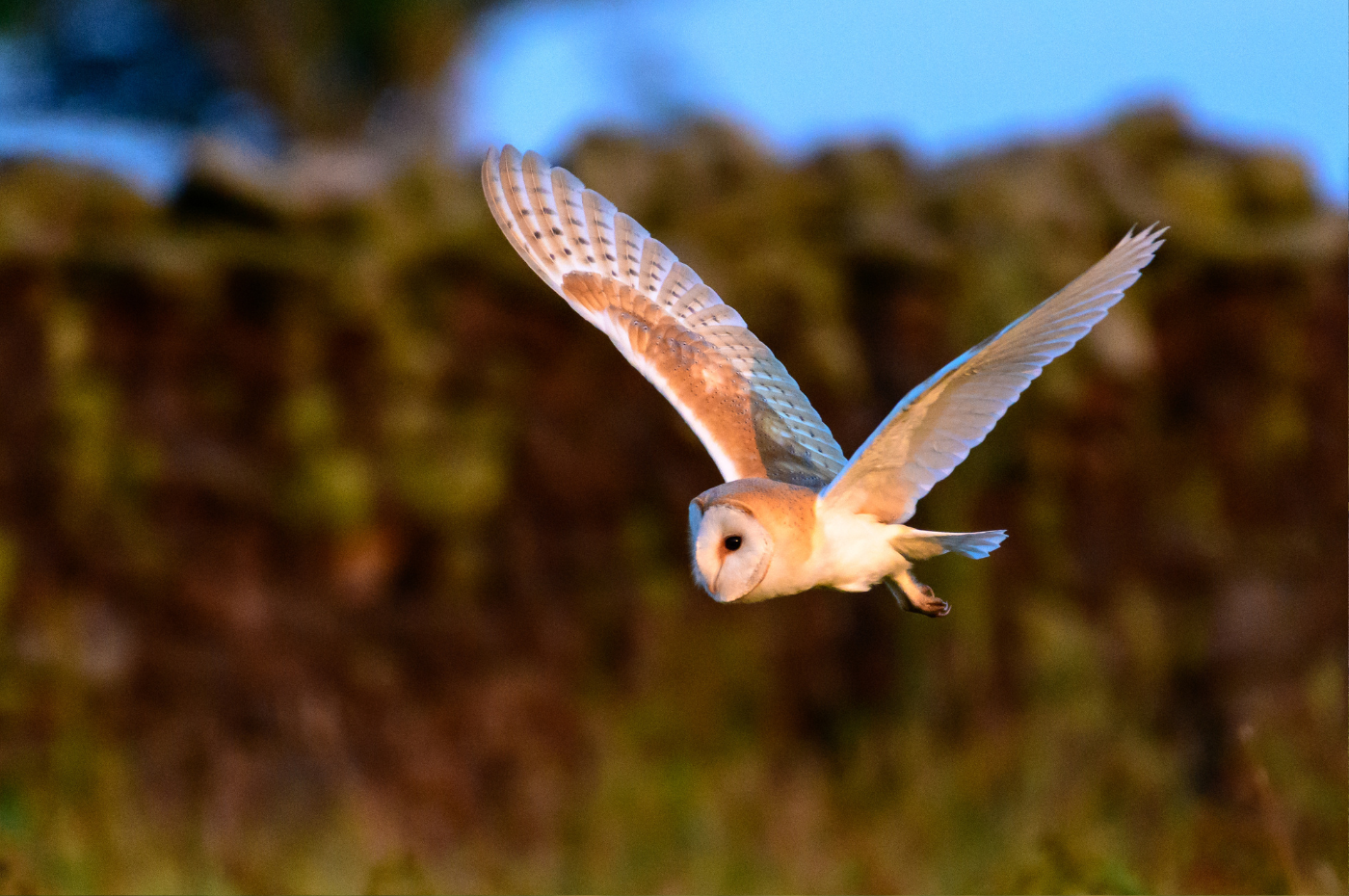
Some of you will have noted that three of the chosen species also feature on the iconic Countryside Alliance tie so the fox, hare and salmon must be our top choices. That leaves one slot for the fourth banknote and I would tend towards the barn owl, a truly wonderful bird which also tells a story of resilience and growth as their population has increased by around 230% in the last 30 years.
Of course, some of our species, including the salmon and the curlew, are facing very real challenges, but others are thriving. The characterisation of Britain as one of the most “nature depleted” countries on the planet is regularly trotted out by environmental NGOs and politicians, yet it does not sit easily with what we see when we travel to other countries. For some environmentalists, challenging the narrative of exceptional British nature depletion is akin to climate change denial, however, our colleagues at the Game and Wildlife Conservation Trust have done an interesting deep dive into where the “nature depleted” claim actually comes from.
It seems to originate from the Natural History Museum’s Biodiversity Intactness Index (BII) which “summarises the change in ecological communities in response to human pressures”. The UK has just 53% of its original nature left intact, probably due to our long history of population expansion and associated land uses, and is, therefore, in the bottom 10% of the 240 nations and territories in the world. Crucially, however, BII is measuring intactness, not how much nature we actually have. We know that on our small island nearly every inch of the countryside we have now has been created by man. In many cases those habitats support all sorts of nature which is not ‘original’.
An alternative measurement to BII is the Environmental Performance Index produced by Yale University. Rather than estimate the area of the UK that is ‘natural’, they use indices based on habitat intactness. On this basis overall we rank 43rd out of 152, and for biodiversity the UK is 23rd out of 180, a very different picture to ‘one of the most nature depleted countries.’ This does not mean we can be complacent and many of our species are in trouble, but denying the positive work that is being done and sending a relentless message of doom will not save the curlew or the salmon any more than putting them on a banknote.

 04 June, 2026