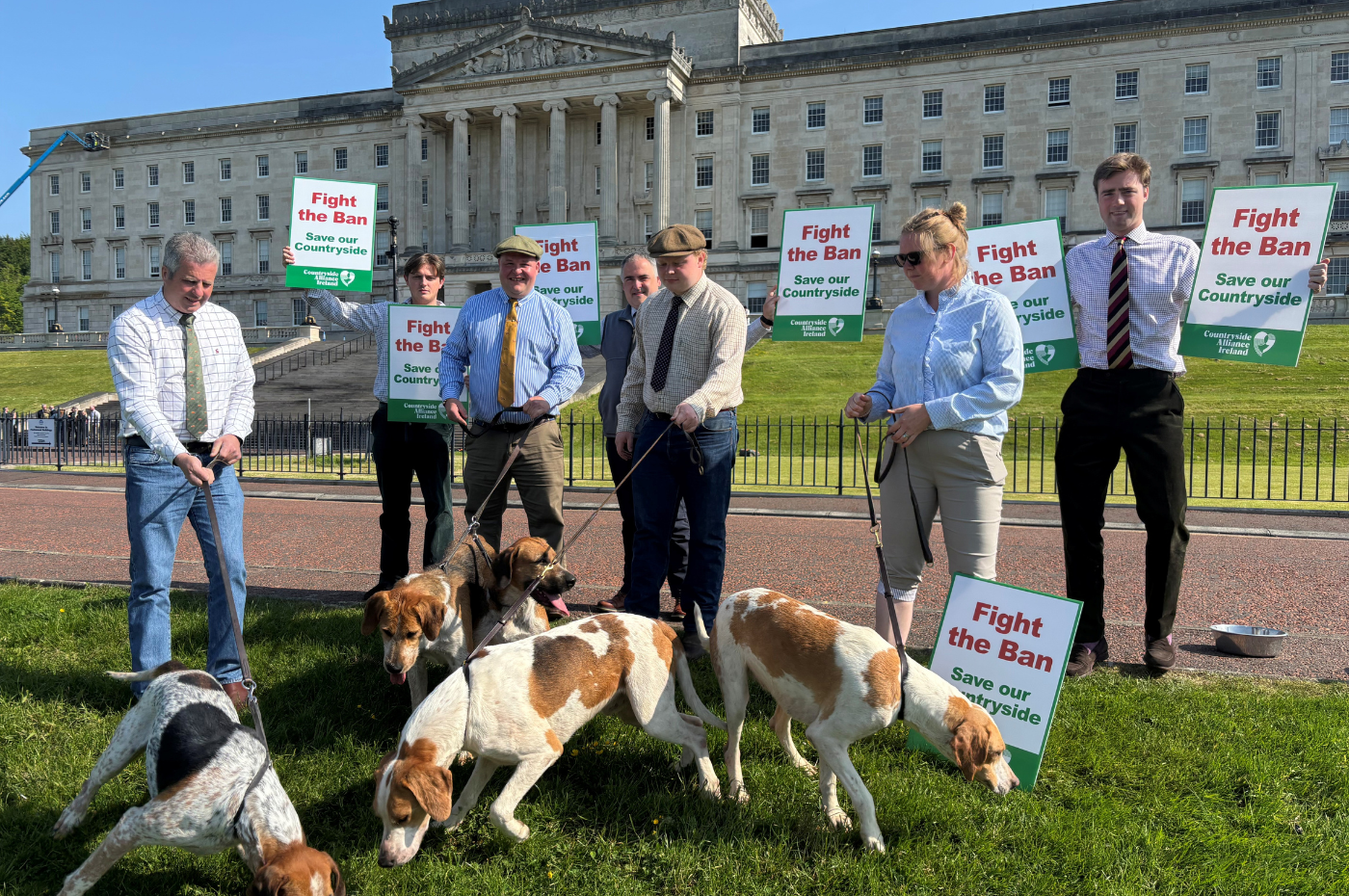
The Northern Ireland Assembly Agriculture, Environment and Rural Affairs Committee has declined to endorse John Blair MLA’s Hunting with Dogs Bill at second stage, instead reserving its position pending further consideration within party structures. The decision followed early scrutiny that raised substantial questions about the Bill’s practicality, enforceability, and whether it achieves the policy outcomes its sponsor claims.
Blair presented the legislation as a tightly targeted amendment to the Wildlife (Northern Ireland) Order 1985, intended to prohibit the killing of wild mammals with dogs while still protecting legitimate countryside activity such as pest control, land management, shooting, and training. He pointed to consultation data suggesting majority public support and repeatedly emphasised that ordinary rural users - including farmers, gun dog handlers, and dog walkers - would not be affected. However, those assurances came under sustained scrutiny when members pressed for clarity on how such protections would actually be secured in law.
A central issue throughout the exchange was enforcement: how, in practical terms, would officers distinguish between lawful activity and illegal hunting without inadvertently criminalising ordinary countryside use? Blair’s response relied heavily on subjective indicators such as clothing, group size, equipment, and “demeanour.” This approach raises concern that enforcement would rest less on clear statutory definitions and more on interpretation in the field. For legislation carrying criminal penalties, that lack of precision risks inconsistency and legal uncertainty.
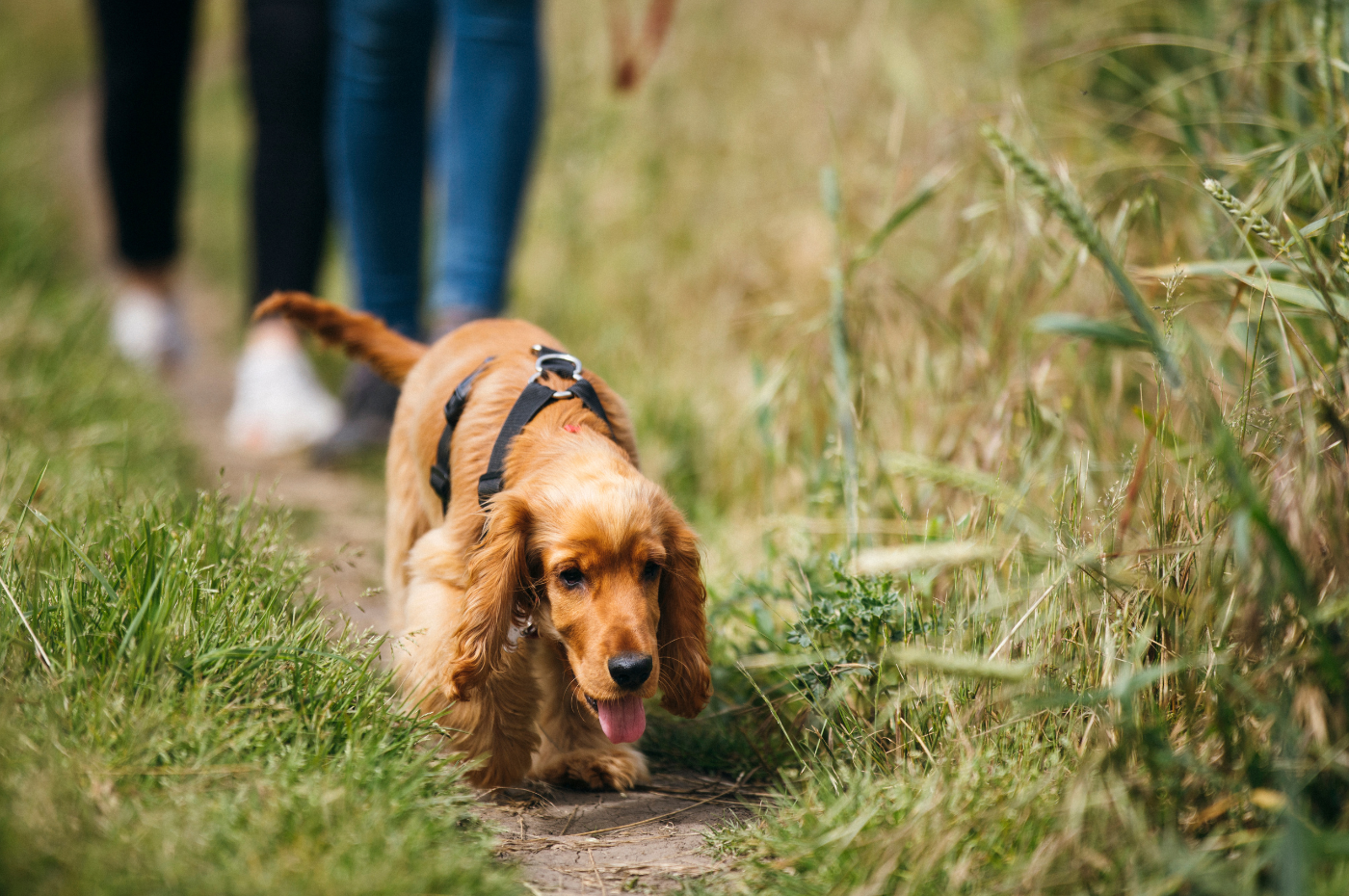
Those concerns become more acute when considering everyday rural activity involving dogs. Dog walkers, in particular, represent a significant and entirely non-hunting presence in the countryside. The Bill’s broad framing raises understandable questions about how ordinary walking routes through rural land, including areas where wildlife is present, would be treated in practice. While dog walkers are not the target of the legislation, ambiguity around what constitutes “pursuit” or proximity to wildlife could create confusion for both the public and enforcement officers, particularly where off-lead dogs may interact unpredictably with wildlife.
Members also highlighted a practical scenario involving individuals shooting with multiple working spaniels. This is a routine feature of walked-up shooting and field sports, yet when asked whether such activity would be clearly protected, Blair did not identify explicit safeguards within the Bill’s wording. Instead, he relied on general assurances about intent and enforcement discretion. However, criminal law does not operate on ministerial intent; it operates on statutory language as interpreted by the courts.
This distinction is critical. Once enacted, judges will apply the wording of the legislation itself, not the explanatory assurances given during debate. If the statutory test is broad enough to encompass situations where dogs may pursue wild mammals as part of otherwise lawful activity, then that is how the law will be applied, regardless of political intent or committee assurances. This creates a potential gap between how the Bill is described and how it could function in practice.
Further scrutiny was applied to distinctions between drag hunting and trail hunting. Blair characterised drag hunting as entirely artificial and therefore clearly separable from hunting involving live scent trails. However, the Bill’s drafting focuses on outcomes involving pursuit rather than the origin of the scent trail. In real-world conditions, where trails can overlap, disperse, or be influenced by wildlife, the legal boundary may not be as clear-cut as presented.
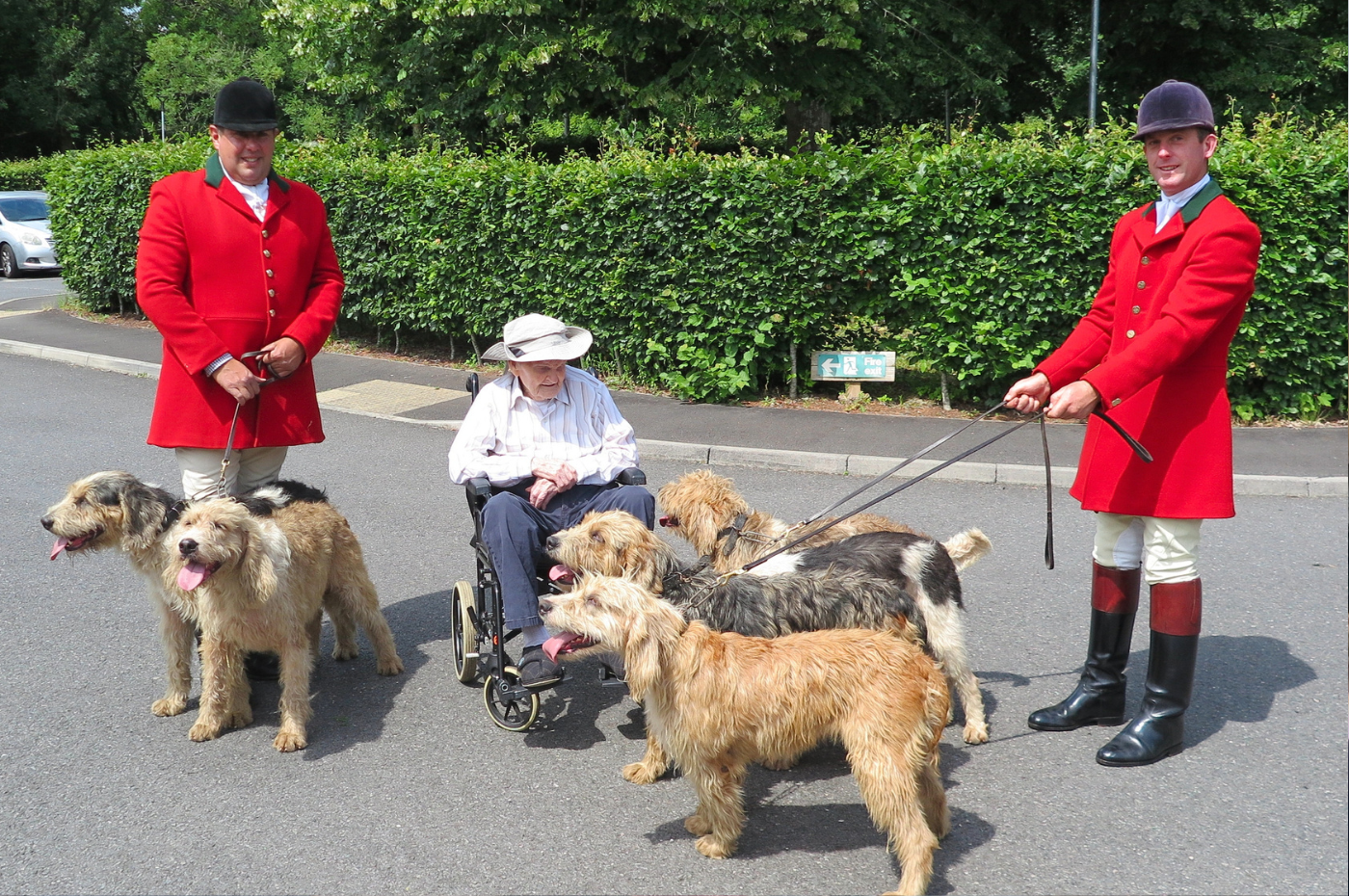
Questions were also raised about the proposed two-dog restriction. While framed as a safeguard against abuse, it sits uneasily with legitimate rural practice where multiple dogs are commonly used for shooting, pest control, and training. For dog walkers and general countryside users, there is also concern that such numerical thresholds, even if not directly applicable to them, reflect a broader approach that risks regulating normal canine behaviour through rules designed for a different context.
Taken together, the committee exchange highlighted a recurring issue: reliance on enforcement discretion and interpretive judgment in place of tightly defined legal thresholds. For dog walkers, rural users, and enforcement bodies alike, this creates uncertainty about where lawful activity ends and potential criminal liability begins.
This is why the Committee withheld support at this stage. The concern is no longer solely about the principle of regulating hunting with dogs, but whether the Bill, without clearer drafting, can reliably distinguish illegal hunting from lawful countryside activity, including routine dog walking, without leaving that distinction to be resolved retrospectively by enforcement officers or the courts.

 11 May, 2026