The House of Lords has given the Animal Welfare (Import of Dogs, Cats and Ferrets) Bill its Third Reading. What the Countryside Alliance described in July as one of “two good bills” that had just finished their Commons stages now awaits only Royal Assent to become law.
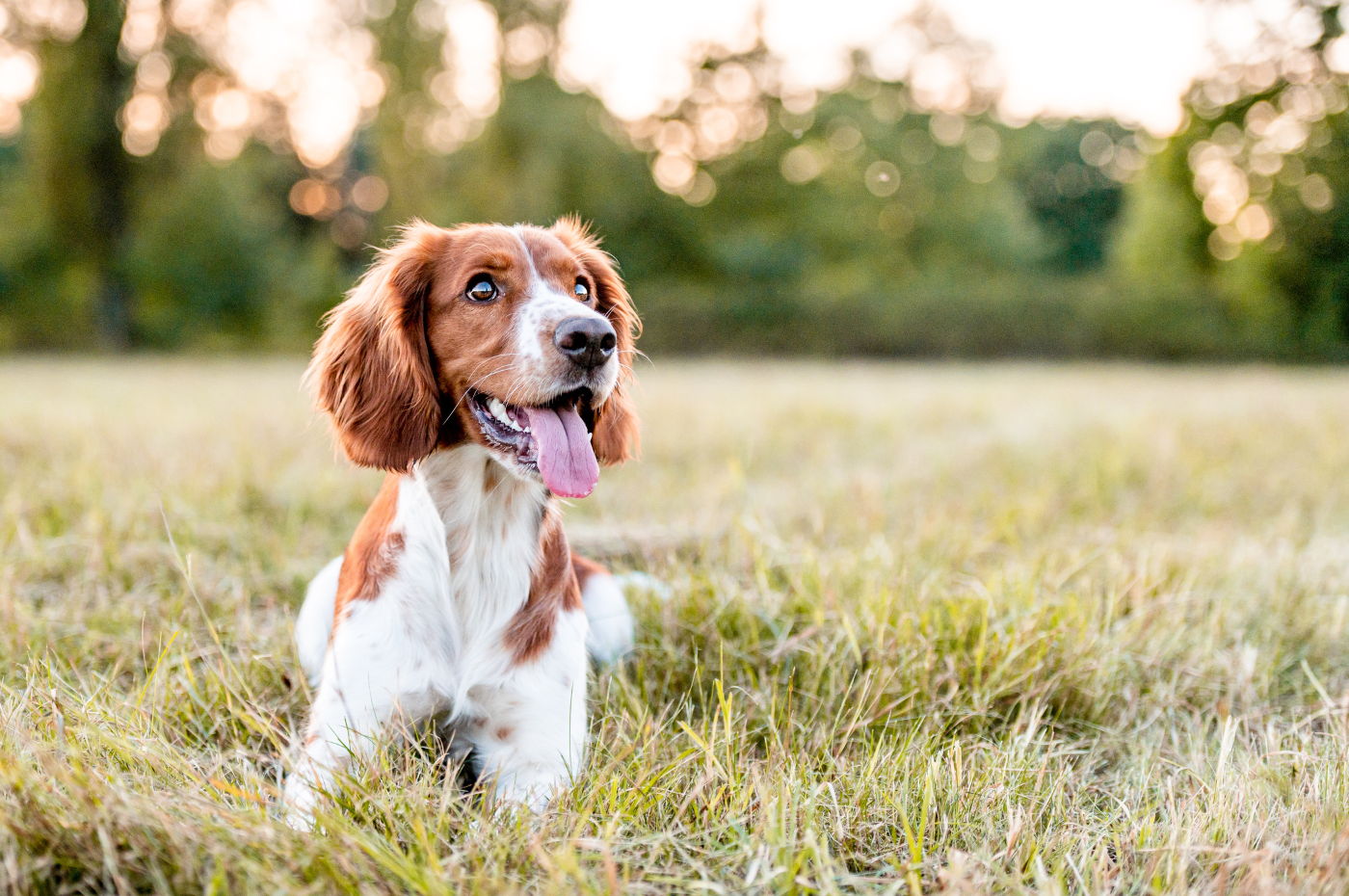
We supported this Bill as a straightforward measure to improve animal welfare, seeking to clamp down on the smuggling of dogs, cats and ferrets. It will ban the import of puppies and kittens aged under six months and of dogs and cats that are mutilated or heavily pregnant, while also reducing the number of animals that can travel into Great Britain under non-commercial rules originally introduced under the European Union. The intention is to tackle the problem of smugglers loading up vans with several people and large numbers of animals destined for commercial sale, pretending them to be the human travellers’ pets. It will only affect animals of foreign origin, so should not impact anyone returning with any number of pets from a trip abroad.
In our July article we described the Bill as having had a “storied history” after having previously been introduced in the last Parliament. The situation merits some elaboration. In this session it was picked up by Dr Danny Chambers (Winchester, Liberal Democrat), who had drawn number 17 in the ballot for Private Members’ Bills. This ranking meant that while he had an opportunity to introduce a bill in the Commons, its Second Reading would not be debated first on his allotted day, so if whatever business came before it took up all the available time it risked being lost. Worse still, it was then scheduled for debate after the Assisted Dying Bill, by any measure the most controversial Private Members’ Bill in this session.
There is a quirky and poorly understood element of parliamentary procedure that means a bill can receive a Second Reading without debate, provided there is unanimous agreement. This is almost always a bad idea. Parliament should not be in the business of passing laws that affect us all without full scrutiny. That is why at least one Member will typically object on principle to giving a Second Reading to any bill that has not been fully debated. Sometimes this means a popular or uncontroversial bill is blocked, and on occasion an unscrupulous politician or lobby group that supported it will attack the motives of the objecting Member. Such attacks confuse the public and damage faith in the parliamentary process. Those who make them should know better.
The case of this Bill, however, was peculiar because it had already received the scrutiny of a full Second Reading debate in the last Parliament. It had only been lost because of the General Election. Therefore, leveraging our understanding of parliamentary processes, the Countryside Alliance wrote to all Members of Parliament ahead of the Second Reading debate to implore them not to object to it because the principle that would ordinarily give rise to objection did not apply. We also briefed fully on the contents of the Bill to make the positive case for it to continue, as we have done at all important stages.
In the event, MPs from across the House colluded to ensure that the debate on the Assisted Dying Bill finished just early enough to allow time for a Second Reading debate on the Animal Welfare (Import of Dogs, Cats and Ferrets) Bill lasting all of three minutes. This left no opportunity for a procedural objection, so the Bill received its Second Reading unanimously as well as the exceptional honour of applause from across the House.
The Countryside Alliance is delighted to see this Bill pass through Parliament. We will always support measures that make positive contributions to animal welfare and are based on sound principle and evidence.

 21 November, 2025


.jpg)
-1.png)
.png)