The government claims to understand rural reliance on wood burners, but its response to the Countryside Alliance’s concerns over proposals to tighten regulations proves otherwise. With the government consulting on tougher future rules, countryside households risk being left out in the cold while ministers press ahead with policies that could push many into fuel poverty.
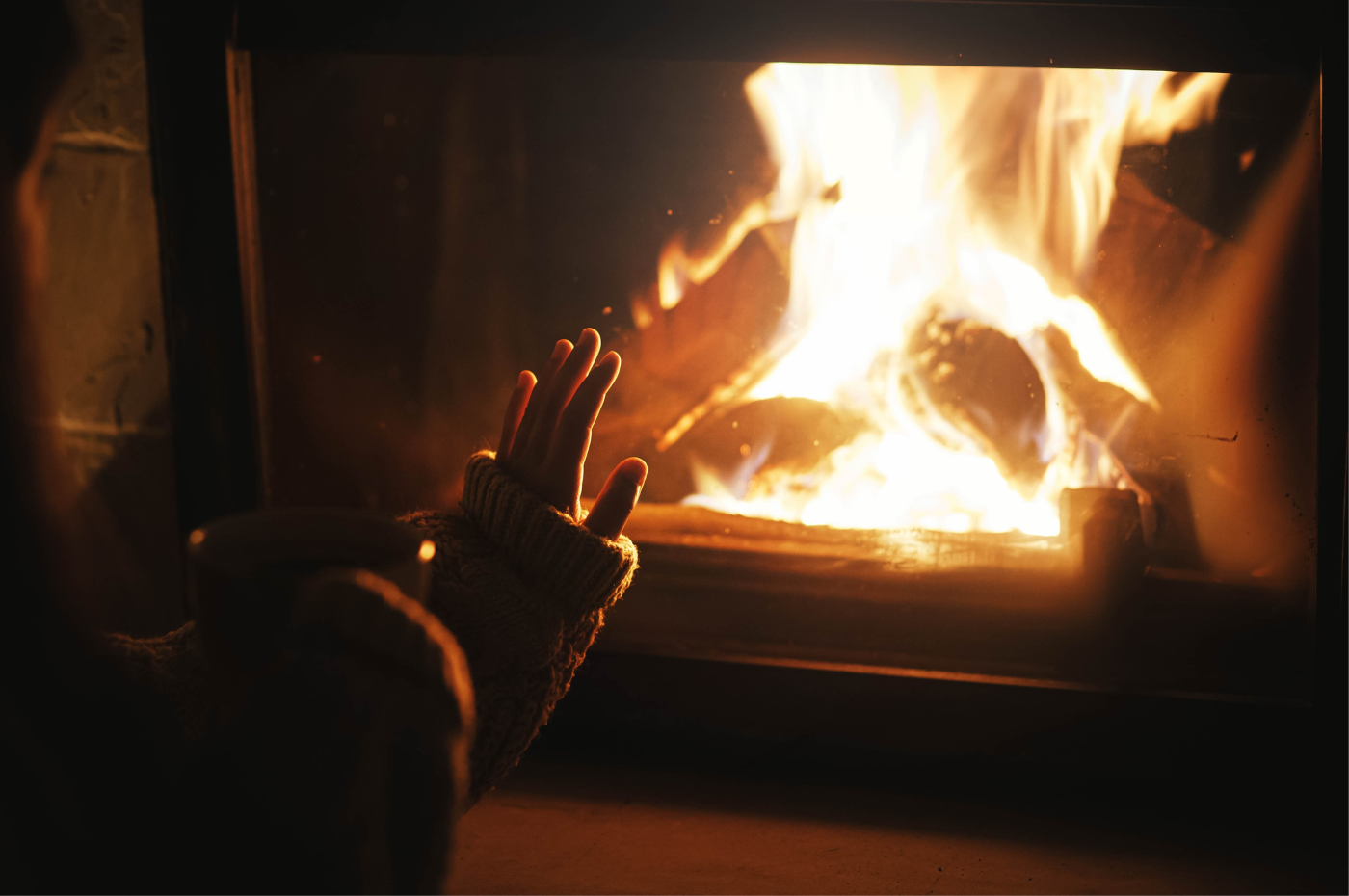
Following the publication of the Environmental Improvement Plan 2025, the Countryside Alliance wrote to the Secretary of State, warning of the unintended consequences that tighter controls on wood-burning stoves could have for off-grid and rural homes. For many people in the countryside, wood burners are not a lifestyle choice or a fashionable accessory, but an affordable, reliable and often essential source of heat where mains gas is unavailable and alternatives are either prohibitively expensive or simply impractical.
The government has now launched a consultation on proposals to reduce harmful particulate emissions from domestic solid fuel burning, including wood-burning stoves and fuels. While the consultation does not propose requiring households to replace existing wood burners, it does set out stricter emission standards for new stoves, mandatory emissions, health labelling and tougher enforcement. For rural and off-grid households, the concern is not an immediate ban, but the clear direction of travel. Without firm assurances on exemptions, transition periods and practical support, many fear that the consultation could be the start of steadily restricting the only viable heating option available to them.
By repeatedly framing domestic wood burning as a “major source” of harmful particulate pollution, the government signals that rural dependence on these stoves is treated as a problem to be solved, rather than a reality to be accommodated sensibly.
Crucially, while the consultation invites stakeholder input, it offers no clear reassurance on exemptions or practical support. Rural communities have repeatedly experienced consultations that follow decisions already made, a pattern Scotland’s experience shows can lead to public backlash and U-turns.
The Countryside Alliance has consistently argued that environmental ambition must be matched with social and economic realism. That is why we have called for mandatory Rural Community Impact Assessments, as set out in our report Reconnecting government with the countryside. These assessments would test whether policies designed in Whitehall genuinely take account of the realities of rural life.
Rural people care deeply about the environment in which they live and work. But policies that risk pushing households into fuel poverty, or removing the only viable heating option without affordable alternatives, are not environmentally just. They are politically tone-deaf.
This episode reinforces a wider concern: too many environmental policies are being imposed on the countryside with little consideration for the realities of rural life. Until the government starts designing solutions that reflect how people actually live beyond the cities, the sense of a growing war on the countryside will only deepen.
The consultation is open until 19 March 2026 and the Countryside Alliance urges rural households and businesses to make their voices heard, to ensure any future regulation reflects the realities of life in the countryside.

 22 January, 2026