Today (18 March) the new Dogs (Protection of Livestock) (Amendment) Act 2025, finally passed in December, comes into force as the Countryside Alliance launches its new interactive rural crime map.
The Act began its storied history in the last Parliament as a Private Member’s Bill brought by the then-Dr Thérèse Coffey, who now sits in the House of Lords. At the time the Countryside Alliance worked with her office to ensure that the legitimate use of trained working dogs would not be compromised. Her Bill fell at the General Election but was picked up in this parliament by Aphra Brandreth MP (Con, Chester South and Eddisbury). Unusually for a bill brought by an Opposition Member, it passed with the government’s support.
Marking its passage in December, Defra’s farming blog summarised the changes it has introduced:
The act:
-
is worded so that attacking livestock is treated separately from worrying livestock. This reframing helps make the violent nature of livestock attacks much clearer. It doesn’t create a new offence as both behaviours are already covered in the 1953 act, but it does make the distinction explicit
-
extends the law to cover livestock worrying and attacks that take place on roads and paths
-
includes camelids (as llamas and alpacas are commonly farmed)
-
introduces a new defence for dog owners to exempt them from liability where the dog was in the charge of another person at the time of the offence without the owner’s consent, for instance if the dog was stolen
-
introduces new powers allowing a court to order an offender to pay expenses associated with seizing and detaining a dog
-
provides a clear deterrent by increasing the penalty from a fine of up to £1,000 to an unlimited fine
-
the power to seize and detain a dog where they have reasonable grounds to believe there is a risk that the dog could attack or worry livestock again. The dog can be detained until an investigation has been carried out or, if proceedings are brought for an offence, until those proceedings have been determined or withdrawn
-
the power to take samples and impressions from a dog or livestock where the police have reasonable grounds to believe the dog has attacked or worried the livestock, and that a sample or impression might provide evidence of an offence. The sample or impression could then be used as evidence to support a prosecution
-
the powers to enter and search premises to identify, seize and detain a dog for the prevention of future incidents, to collect samples or impressions, or seize any other evidence
In addition, the law gives police new and improved powers to improve their investigations, including:
-
the power to seize and detain a dog where they have reasonable grounds to believe there is a risk that the dog could attack or worry livestock again. The dog can be detained until an investigation has been carried out or, if proceedings are brought for an offence, until those proceedings have been determined or withdrawn
-
the power to take samples and impressions from a dog or livestock where the police have reasonable grounds to believe the dog has attacked or worried the livestock, and that a sample or impression might provide evidence of an offence. The sample or impression could then be used as evidence to support a prosecution
-
the powers to enter and search premises to identify, seize and detain a dog for the prevention of future incidents, to collect samples or impressions, or seize any other evidence
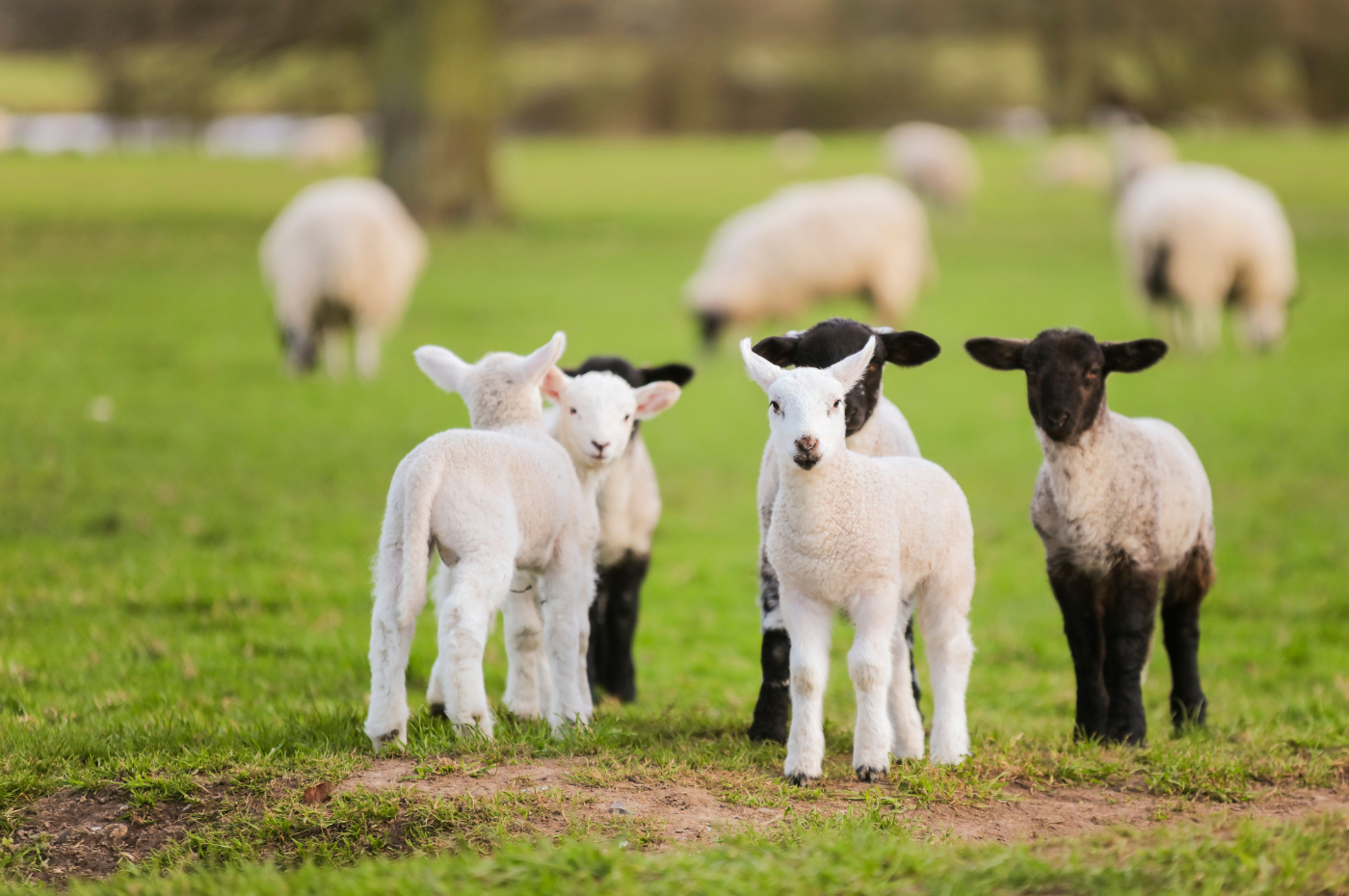
Livestock worrying can be a particularly insidious rural crime, threatening the livelihoods of farmers as well as the welfare of their animals. To shine a spotlight on this and other rural crimes, the Countryside Alliance has today launched its new interactive rural crime map, giving rural communities across the UK a new way to highlight the reality of crime in the countryside.
While it is not intended as an official reporting tool to replace the reporting of crime to the police through 999, 101 or otherwise, the map will collate verified reports from across the UK, helping to identify crime hotspots, reveal emerging trends and demonstrate the true scale of rural crime.
If you have witnessed or experienced crime in a rural area, please access the map here to submit your report.

 18 March, 2026


.jpg)