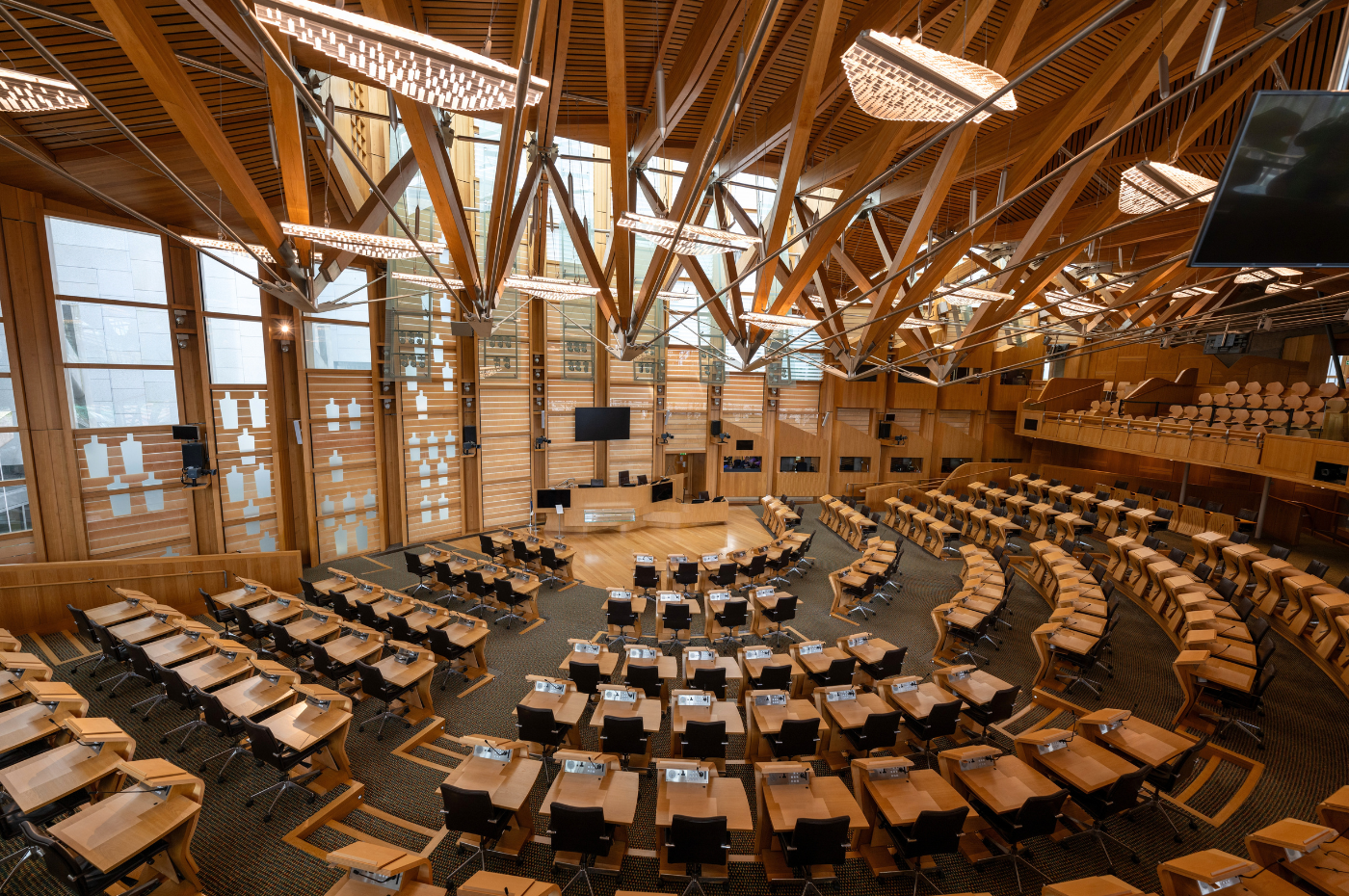
In the first week of the new parliamentary session, following summer recess, First Minister John Swinney announced their five-year programme for government. There were lots of promises to increase spending in areas such as the NHS and housing and some major reforms in local government and the NHS, which have been met with some scepticism by opposition parties.
The Programme for Government 2026–2031 mentions the word “rural” 20 times across its 80 pages. While the Programme includes a number of commitments affecting rural and island communities – including a proposed Rural Renewal Bill and support for last remaining shops and pubs – it is worth asking whether rural Scotland is truly at the heart of the government’s plans for the next five years.
With rural communities facing their own distinct challenges, from access to services and transport to housing, connectivity and economic opportunities, will these proposals deliver the meaningful change that rural Scotland needs, or will familiar commitments once again fall short when it comes to implementation?
Below is a quick summary of the key proposals and what they could mean for rural Scotland.
Rural Renewal Bill
The Scottish Government have announced they will be introducing a rural renewal bill that is designed to support rural businesses, from farms to food producers, and the rural way of life. Consultations will take place throughout 2026-27 with stakeholders and rural communities.
The government plans to provide a “Last Provider Fund” to support the sustainability of the last remaining shop or pub in rural and island communities, ensuring that these communities retain a focal point for the local area.
Island communities
Island communities were also mentioned, with the First Minister stating that “the needs of our island communities must be distinctively recognised” promising an “ongoing commitment to advancing the single authority model where that is desired”. This model is currently being run in three council areas:
- Orkney
- Na h-Eileanan Siar and
- Argyll and Bute
The Scottish Government intends to publish final, detailed implementation plans and timelines for these regions before the end of the current five-year parliamentary term. However, they will also be carrying out an intensive three-month review of local councils, social services and NHS boards, with a view to merge some or all of these services into one body per council.
The Scottish Government will also explore the establishment of a single ferries body for the Clyde and Western Isles routes in the hope that this will streamline services and lessen the bureaucratic delays between CalMac ferry operators, CMAL ferry and port owner and Transport Scotland.
Merger of NHS Boards
There was some unease across the Chamber when it was announced that the current 14 NHS boards would be amalgamated into only two boards. Little additional information was given on this, and the question remains: will this be split into East and West with centralised control in Edinburgh and Glasgow, or will the Highlands and Islands be given local control as well? In our opinion, two boards are not enough, given the vast and diverse areas of rural Scotland. We call on the government to reconsider this proposal.
Merger of environment bodies into a single environmental body
One proposal to merge the environment bodies into a single national environmental body to “make interventions more impactful” has raised some eyebrows. Patrick Harvie from the Scottish Greens responded “As for the proposed merger of environmental bodies, the challenges and consequences remain entirely unclear. Understandably, ministers might well see them as working under a common portfolio, but, in reality, the bodies perform distinct and important functions that cannot be sacrificed”.
It is being proposed that NatureScot, the Scottish Environment Protection Agency (SEPA), Zero Waste Scotland, and potentially Scottish Forestry (not sister organisation Forestry and Land Scotland) may be merged. Confor, the Woodland Trust Scotland, and the Institute of Chartered Foresters (ICF) have “grave concerns” over how this will improve efficiency and have written to the Scottish Government to request an urgent meeting to discuss this strategy further (Scottish Forestry: Why forestry leaders oppose merger). We’re not sure how this will work in practice and what knock-on effect this will have on obtaining wildlife management licences, but nevertheless this merger is expected to be implemented by 2029.
To conclude, we have significant reservations about the proposed centralisation of NHS boards across Scotland. Rural communities face very different healthcare challenges from densely populated urban areas, with greater distances between patients and services, dispersed populations, limited public transport and often difficult or remote access. Delivering effective healthcare in these communities therefore requires a flexible approach, including specialist and mobile NHS services that can take care directly to people across rural Scotland. We are concerned that a more centralised NHS structure, shaped primarily around the needs and service models of urban populations, may not adequately recognise these distinctive rural challenges or ensure that rural communities receive equitable access to the services they need.
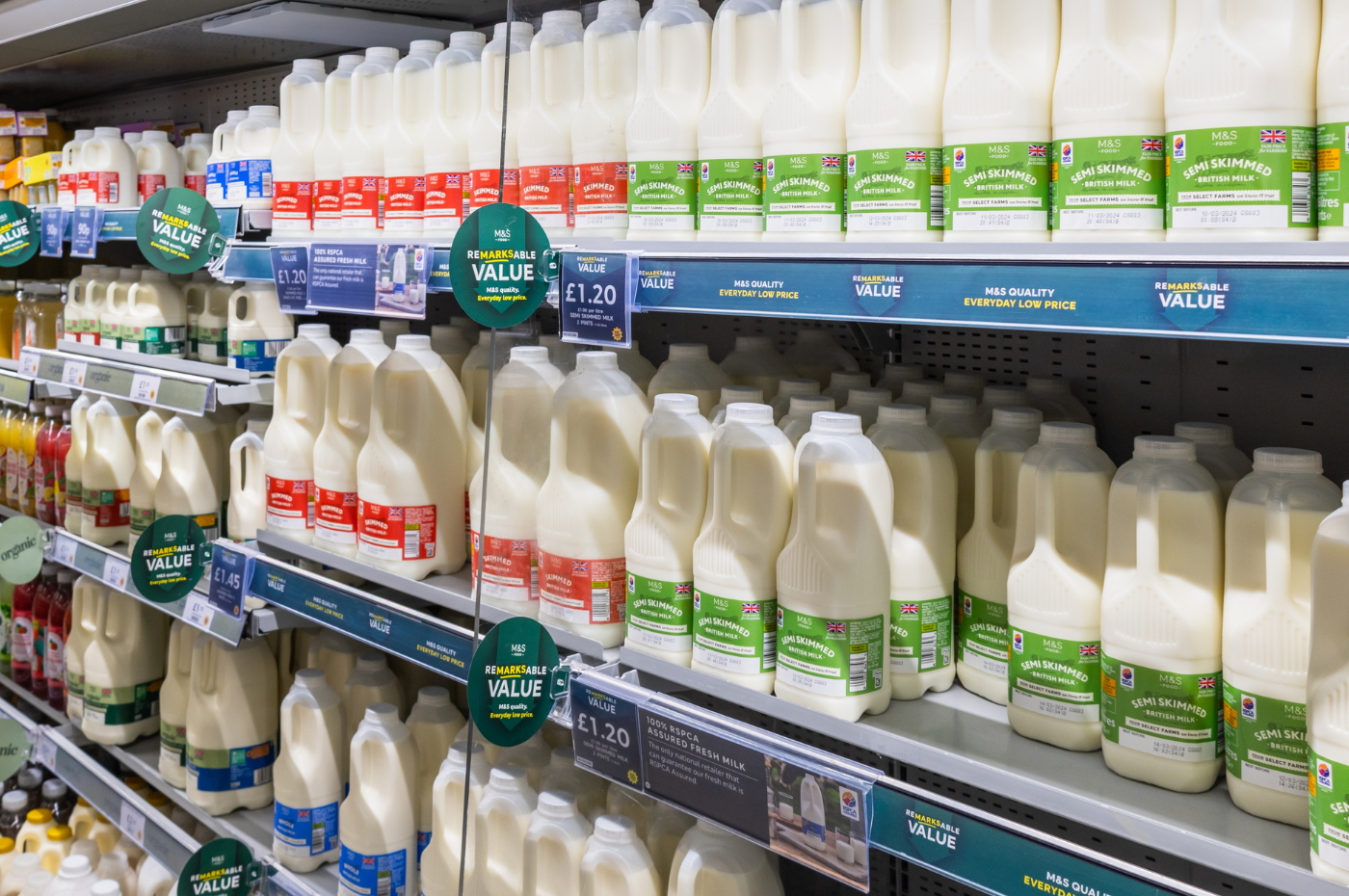
We look forward to working with the government on the proposed Rural Renewal Bill but are cautious about the government proposal to implement a price cap on essential groceries. This price cap may create further unintended consequences, such as retailers switching to cheaper alternatives that may be lower in quality or just simply reducing the amount they stock which, in turn, will impact upon the producer. We welcome the proposal to support the last remaining rural pubs and shops with a “Last Provider Fund”. The SCA have been championing local rural businesses for the last 19 years through the Countryside Alliance Rural Awards, shining a spotlight on businesses across the country that go above and beyond for their local community. These awards are supported by many MSPs, and we hope that this support continues in the future.
We will be responding to the consultation on the price cap in due course. Further details of this consultation can be viewed here: Price controls on essential food items: draft legislative provisions

 09 September, 2026