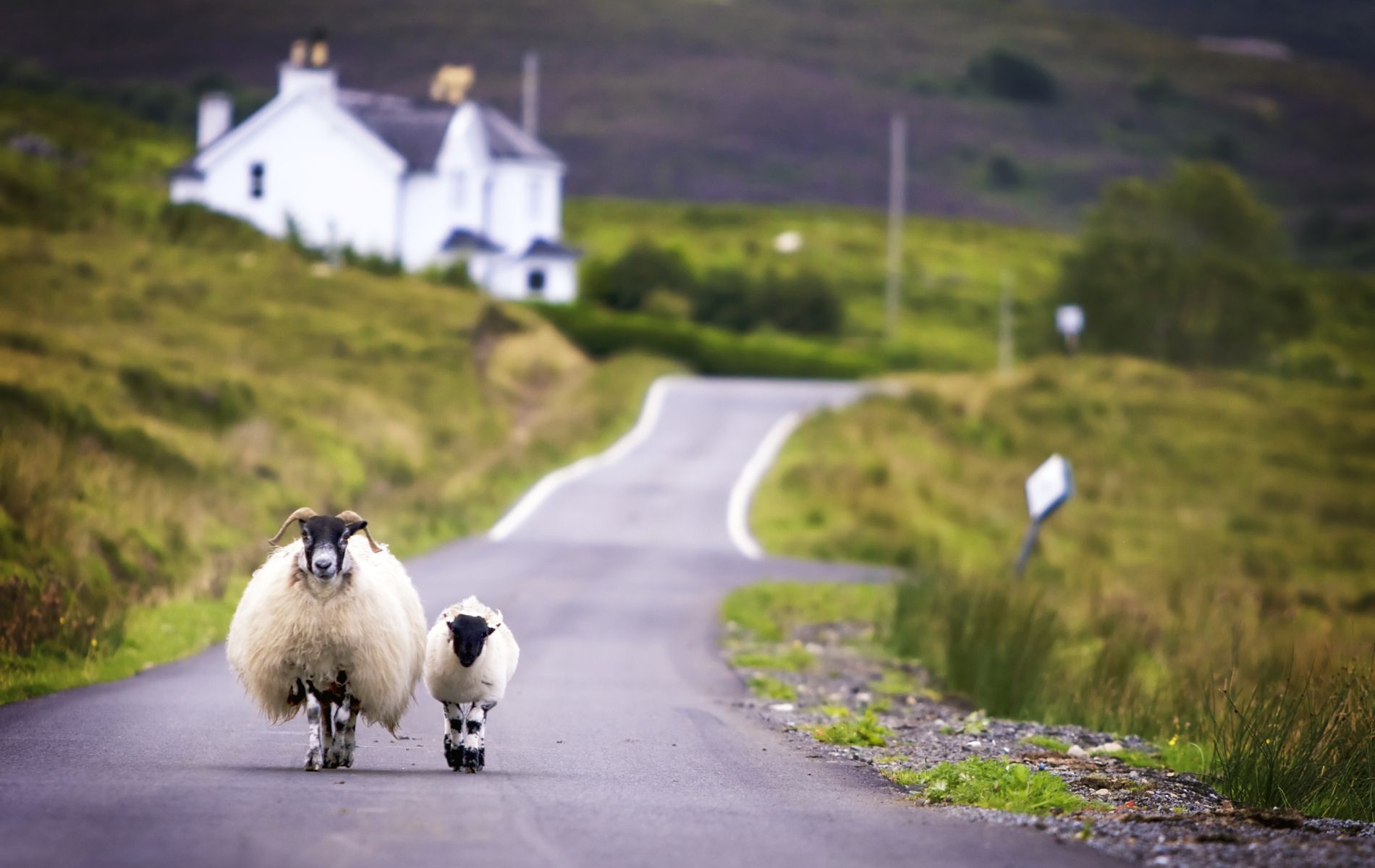
Rural life used to be the cheap option as fewer people wanted to live in such areas. As a youngster in the 80’s, I remember my family looking at moving house and comparing prices for properties in towns against the more remote areas and the difference was astonishing. You could buy 2 cottages in the countryside for the same price as a town house, so, thankfully, the countryside was where we lived.
I spent many of my early years “in the sticks” in the depths of Dumfries and Galloway and as far from a major town of city as you might get in Scotland. I quickly learned to fully appreciate how life works and that planning everyday things, such as shopping or filling up with petrol or diesel, is key to successful rural living. The big monthly shop for groceries and even the bi-annual visit to Ayr or Glasgow for anything else that was needed over and above. It’s how it was.
It was the best place to grow up and I wouldn’t change it for the world. Things were, however, a little more expensive. Local shops were a bit pricier to shop in and fuel had a couple of extra pence per litre added on top to cover transport costs and this was all accepted. It did mean that living in rural Scotland was slightly more expensive that the day-to-day costs of living in a town, but this is the choice we made.
Today, we have the internet and this not only enables us to search out any information we need, but allows us to work from home, opening up our rural parts to those who would not previously have considered it. One thing we do know from research we carried out is that, property prices aside, it now costs much more to live in the countryside than it does in our towns and cities.
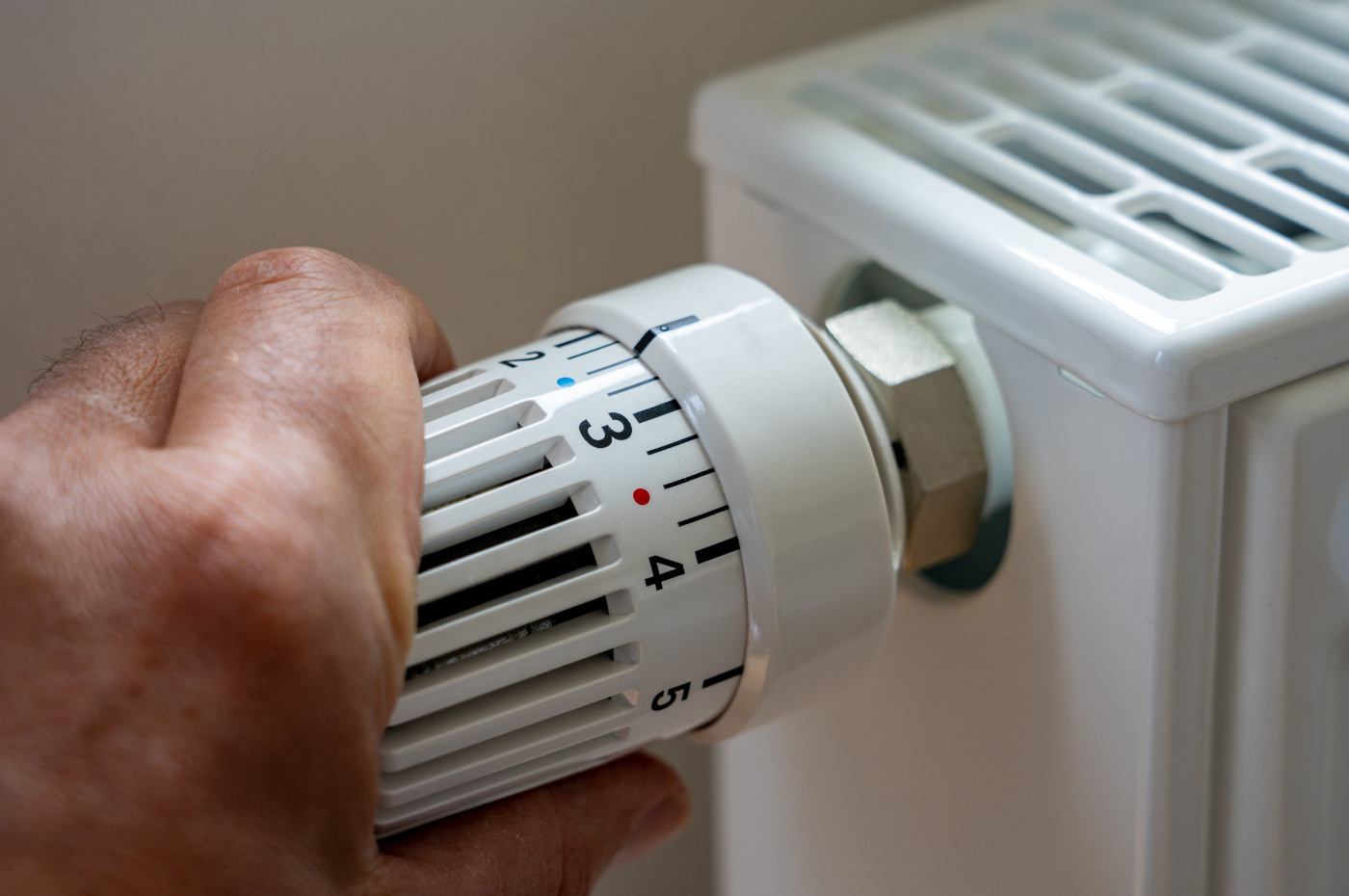
Because the majority of rural homes do not benefit from a fixed gas supply, the options to heat these homes are limited and most are reliant on heating oil for boilers. In 2025, the average cost to heat a Scottish home using piped gas was £1849. Those homes that are off grid with a reliance on heating oil paid, on average £3472, a significant difference and something which cannot be ignored when choosing where to live. Whilst the conflict in Ukraine was in its 4th year in 2025, the Iranian / U.S. / Israeli impact hadn’t yet materialised. These figures are now significantly higher, particularly the oil costs associated with the movement of oil in the East. Mr Swinney MSP was recently pictured in the North of the country where fuel prices reached £2.29 – the highest in the UK. In their defence, The SNP government are challenging Westminster to act now to reduce costs declaring it “an emergency”
Looking at other options, heat pumps are generally more available than they used to be, and some schemes are available should the homeowner / occupier qualify. The grant or loan threshold may be means tested, or you might qualify because of an existing health condition such as Asthma, but the running costs do seem to be lower than both gas and heating oil. The average cost of running a heat pump (for both heating and water) in 2025 was £994.50. Though this is a significant saving for any household, the average cost of installation of an air source heat pump (depending on property size and insulation) is between £7000 - £15000, which makes it unaffordable for many who don’t qualify for installation grants or loans. Solar panels fall into a similar category.
In April 2025, the average price in Scotland for Petrol was £1.31 per litre and for diesel it was £1.41. Just 12 months on and these numbers have rocketed to £1.50 and £1.91 respectively. Given that around 72% of journeys in Scotland are made by car and only 3% by public transport, it isn’t surprising that rural residents are paying more not only for fuel but also for the privilege of living in a rural area. We drive more because our public transport system is expensive and services are being cut at a record rate. Just this week I learned of a vital commuter route to my local town was being stopped and the government still wonder why people don’t use public transport more.
With the family farm tax debacle following the pickup truck tax, you would be forgiven in thinking that the UK Labour government might have it in for our farmers too. Sadly, the government haven’t finished there with the cost of red diesel rising by 50p per litre within a 12-month period. The very people who are trying to make a living by putting food on our tables are getting squeezed to within an inch of their existence, while the UK government reaps around 60% of the profits sold from fuel in tax alone while the Chancellor considers an additional tax on those who drive in excess of 10,000 miles per year. Irish farmers and contractors have had enough and have taken to the streets with machinery, blockading main routes from ports and refineries.
You have to ask the question “is our government working for us or is it working against us?” No matter what the cost, I would still rather live in rural Scotland than anywhere else and I accept that I will be paying a premium to do so. It is my choice, but the rural voter will not forget who put us in this situation when it comes to polling day whether it is North or South of the border. No matter what, The Scottish Countryside Alliance will keep fighting for rural Scotland and beyond.
First published in Farming Scotland Magazine, May - June 2026 Edition.

 01 May, 2026