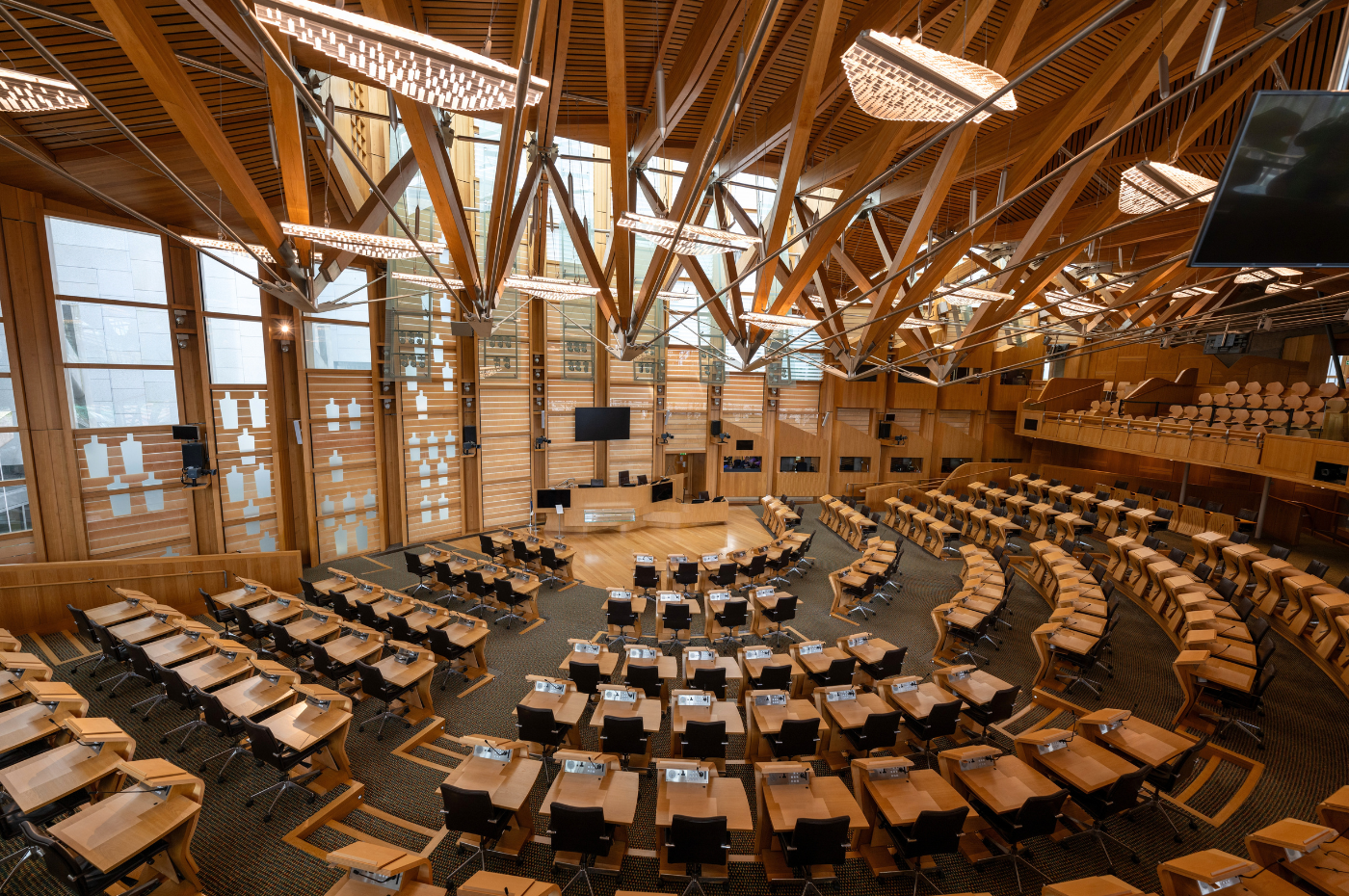
The SNP have come out on top with another 5 years in power to add to their previous 19 years, but what are they going to do for rural Scotland this time around?
They now have a decision to make, if it hasn’t already been made. Given that they failed to win a majority, they may choose to form a coalition with the Scottish Greens when we will undoubtably feel a deja vu moment. You will remember during August 2021, the then First Minister, Nicola Sturgeon, announced a “groundbreaking” alliance with the Scottish Greens, known as the ‘Bute House Agreement’. Sturgeon subsequently stood down as First Minister in February 2023 and Humza Yousaf took on the SNP leadership role as First Minister in March 2023. He was then persuaded to dissolve the agreement on 25 April 2024 following increased tensions regarding policy decisions on gender reform and climate change.
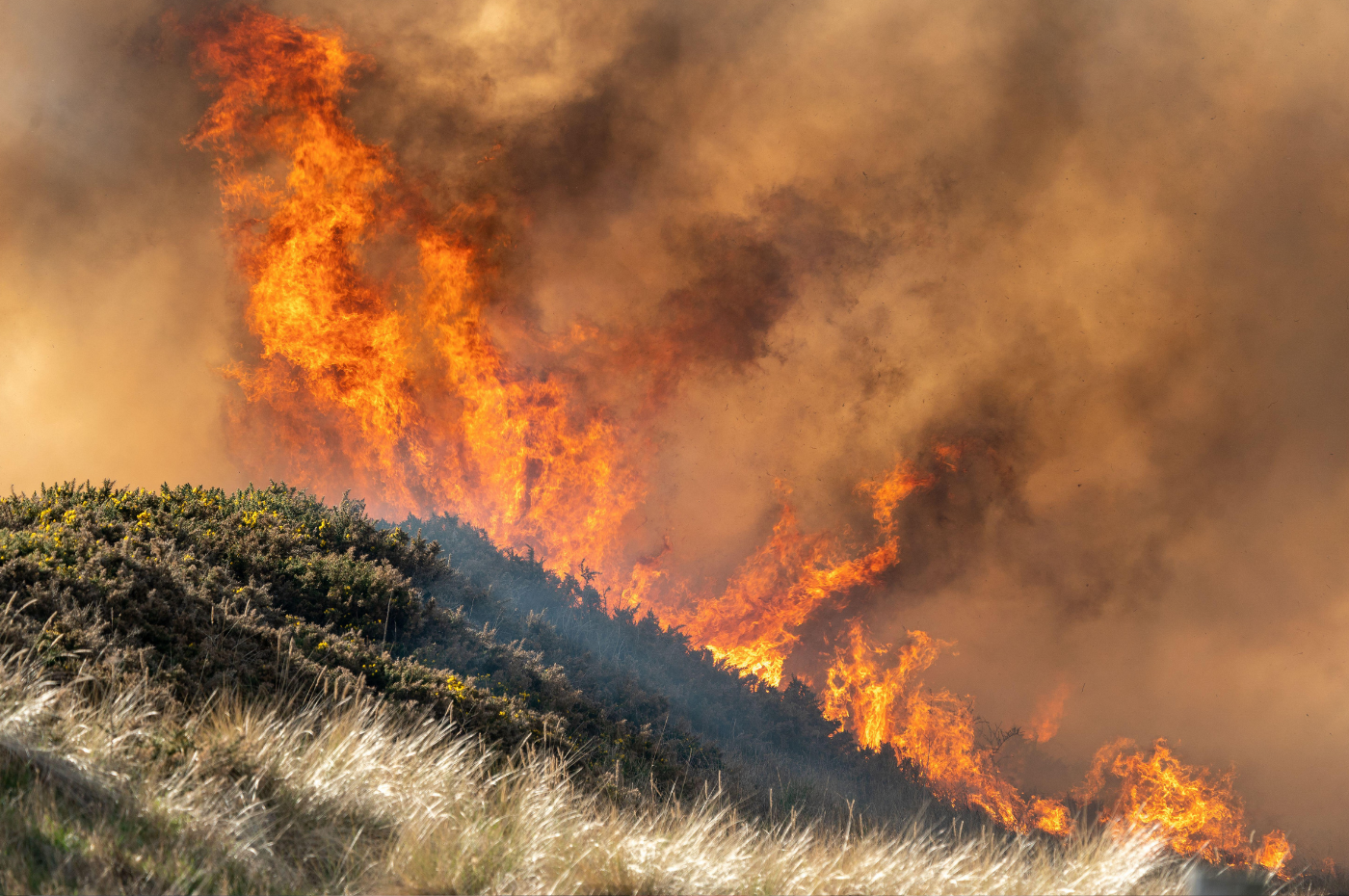
During the period of the Bute House Agreement, rural communities were confronted with a series of legislative measures that many felt threatened established and successful approaches to land ownership and management. A succession of Acts—including the Wildlife Management and Muirburn Act, the Hunting with Dogs Act, the Agriculture and Rural Communities Act, the Land Reform Act, and the Natural Environment Act—moved through Parliament, reflecting the growing influence from the Green side of Holyrood. Critics argue that this influence steered policies seen as ideologically driven, often overlooking the practical realities faced by those living and working in rural Scotland.
Another SNP/Green coalition will undoubtably be the end of any remaining support that our rural sector has afforded our government and will be met with anger and scepticism from rural organisations, land managers, conservationists and farmers. If the Scottish Government have any sense whatsoever, they will see that this is a clear opportunity to take a different path— a new start that begins with genuine collaboration between our sector and policy makers. Scotland’s rural communities can no longer afford to be sidelined or treated as an afterthought. Hiding behind phrases, such as “we have consulted with the rural sector” when, in reality, this is merely a tick-box exercise before they go on to do what they set out to do anyway. An approach that will not win them any favour or credibility in this next term.
We look forward to working constructively with the new government over the next five years and encourage continued engagement with those who live and work in the countryside. By listening carefully, valuing lived experience and practical knowledge, and shaping policy in genuine partnership with the communities it affects, there is a real opportunity to build stronger and more effective outcomes for rural areas. Through open collaboration and mutual respect, we can help ensure the countryside remains a thriving, sustainable and welcoming place for all, while fostering a positive and productive relationship between parliament and our rural communities.

 11 May, 2026